
Effective strategies for improving website traffic

Improving website traffic requires a combination of strategic approaches. Some effective strategies to consider include optimizing your website with relevant keywords, meta tags, and quality content through SEO. Creating valuable, informative, and engaging content that resonates with your target audience and promoting it through various channels falls under content marketing. Leveraging popular social media platforms to share content, engage with the audience, and drive traffic back to your website is a key aspect of social media marketing. In this guide from our web design agency in Toronto, we’re covering best practices in online marketing and how to implement them.
How to drive traffic to your website with content
Driving traffic to your website with content requires a strategic approach. Here are some effective strategies to consider:
Create Valuable and Engaging Content
Develop high-quality content that provides value to your target audience. This can include informative blog posts, insightful articles, engaging videos, or interactive infographics.
Optimize for Search Engines
Incorporate relevant keywords, and meta tags, and optimize your content for search engines. Use clear page titles and descriptions that match what the visitor will find.
Promote Content on Social Media
Share your content across your social media channels to reach a wider audience. Encourage your followers to engage with and share your content, which can help drive more traffic to your website.
Guest Blogging and Influencer Collaborations
Contribute guest posts to industry-related blogs or websites, including a link back to your website. Collaborate with influencers or industry experts to promote your content and drive traffic through their recommendations.
Email Marketing
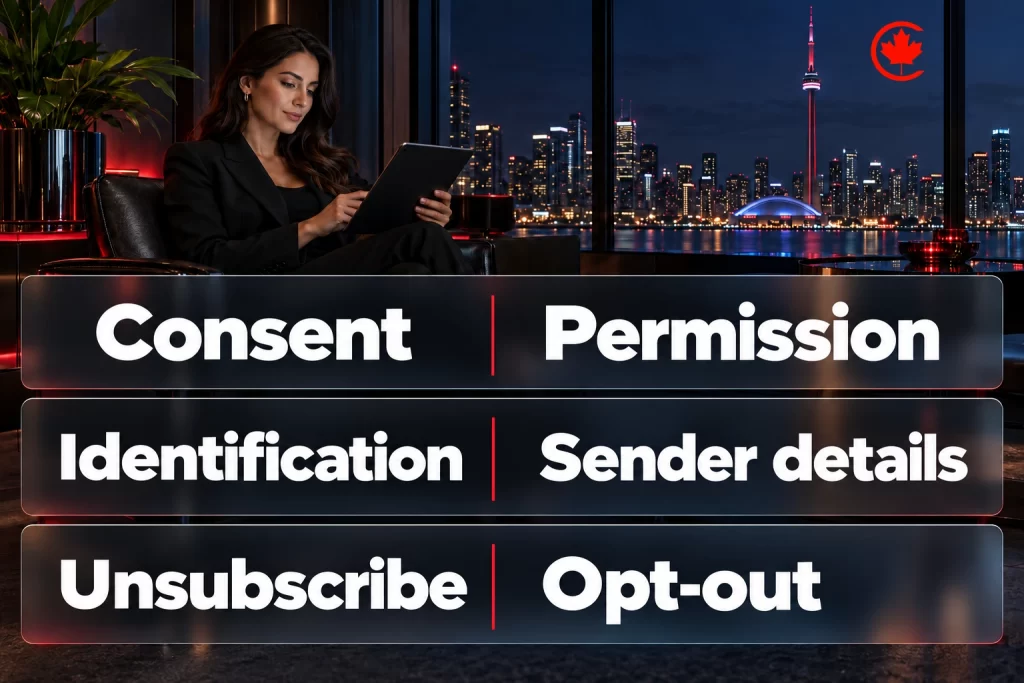
Build an email list with the required consent, include sender identification and an unsubscribe option, and send useful newsletters or offers. Include compelling call-to-actions that direct recipients to your website to read the full content.
Optimize for Mobile
Ensure your website is mobile-responsive, as more and more users are accessing content on their mobile devices. A seamless mobile browsing experience will attract and retain visitors, driving more traffic to your website.
Utilize SEO Best Practices
Implement on-page and off-page SEO techniques, such as optimizing title tags, meta descriptions, internal linking, and building backlinks from reputable sources. Use internal links to connect related pages and earn external links with useful, original information.
Encourage User Engagement
Encourage visitors to engage with your content by incorporating social sharing buttons, comment sections, and interactive elements. This will not only increase user interaction but also attract more traffic through social sharing and discussions.
Collaborate with Other Websites
Seek opportunities to collaborate with other websites or businesses in your industry. This can include cross-promotion, co-creating content, or hosting webinars or podcasts together. Such collaborations can expose your website to a new audience and drive traffic.
Monitor and Analyze
Regularly monitor your website traffic using analytics tools to identify trends, popular content, and areas for improvement. Use this data to refine your content strategy and focus on creating more of what resonates with your audience.
Need SEO services in Toronto? We’re here to help you achieve your business goals by improving your online presence.
How to increase traffic to your website with SEO
Increasing traffic to your website through SEO requires a strategic approach. Here are some effective strategies to consider:
Keyword Research
Conduct thorough keyword research to identify relevant keywords and phrases that your target audience is using to search for information related to your website. Use these keywords strategically in your website content, including titles, headings, meta tags, and throughout the body of your content.
On-Page Optimization
Optimize your website’s on-page elements, such as title tags, meta descriptions, headings, and URL structure. Ensure that these elements accurately reflect the content and include relevant keywords to improve search engine visibility.
Quality Content Creation
Create high-quality, valuable, and engaging content that resonates with your target audience. Focus on providing informative and useful information that addresses their needs and interests. Incorporate keywords naturally within the content without keyword stuffing.
Link Building
Build high-quality and relevant backlinks to your website. Seek opportunities for guest blogging, influencer collaborations, or partnerships with industry-related websites to acquire authoritative and trustworthy backlinks.
Good link building starts with something worth linking to. Useful guides, original checklists, local resources and clear explanations of common customer questions give other sites a reason to reference your pages. Simple, practical sources of links include:
- Local business associations, chambers of commerce and community groups you already belong to.
- Suppliers, manufacturers and partners who list the businesses they work with.
- Local news, event pages and sponsorships where your business genuinely took part.
- Industry directories that real customers use, rather than low quality link lists.
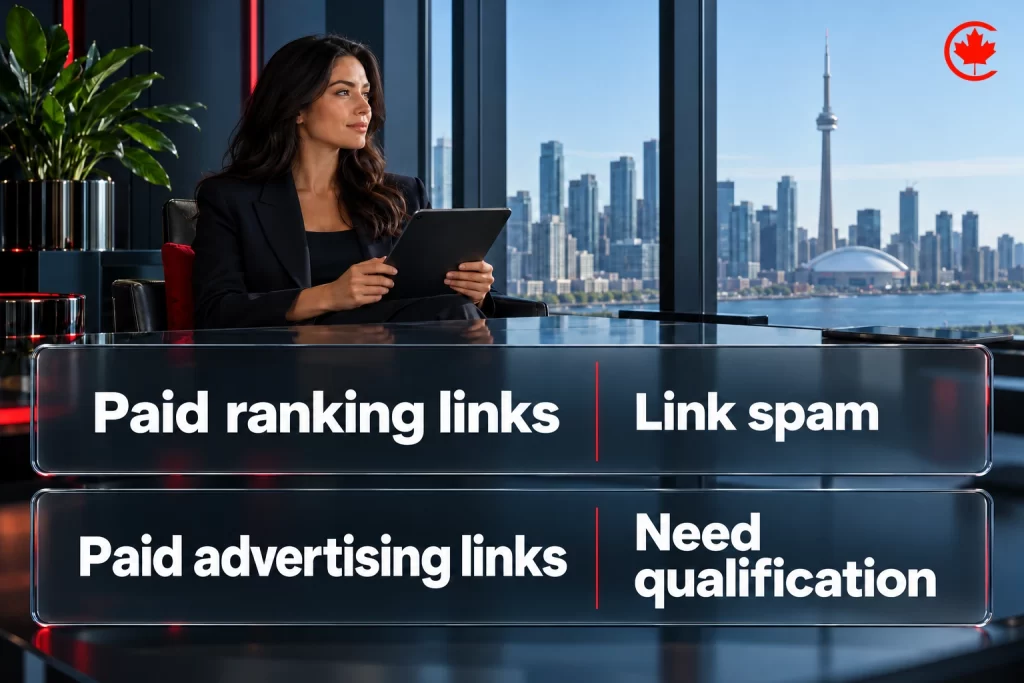
Avoid buying links, joining link exchange schemes or placing keyword stuffed links in comments and forums. Google treats these as link spam, and they can harm your visibility rather than help it. A handful of relevant links from trusted sites is usually worth more than many links from unrelated ones. Track which pages earn links over time and create more content like them.
Website Speed Optimization
Improve website load speed to enhance user experience. Optimize images, minify CSS and JavaScript files, enable browser caching, and choose a reliable hosting provider to ensure fast loading times.
Mobile Optimization
Optimize your website for mobile devices to accommodate the increasing number of mobile users. Ensure responsive design, easy navigation, and fast loading times on mobile devices.
Technical SEO
Conduct regular website audits to identify and fix technical issues that may affect your website’s search visibility. This includes optimizing site structure, fixing broken links, improving XML sitemaps, and ensuring proper indexing by search engines.
Social Media Promotion
Leverage social media platforms to promote your website and content. Share your website links, engage with your audience, and encourage social sharing of your content to increase visibility and drive traffic.
Local SEO
If your business serves customers in person, review Google Business Profile eligibility and keep your location or service-area details accurate. This will help improve your website’s visibility in local search results.
Monitor and Analyze
Regularly monitor your website’s performance using analytics tools to track traffic, keyword rankings, and user behaviour. Analyze the data to identify areas for improvement and adjust your SEO strategy accordingly.
How to increase traffic to your website using social media
Increasing traffic to your website using social media requires a strategic approach. Here are some effective strategies to consider:
Choose the Right Platforms
Identify the social media platforms that are most relevant to your target audience and industry. Focus on platforms where your audience is most active and engage with content related to your niche.
Optimize Your Profiles
Optimize your social media profiles by using relevant keywords in your bio, including a link to your website, and using eye-catching visuals that represent your brand. Provide a clear and compelling description of your business and what visitors can expect when they visit your website.
Share Engaging Content
Create and share high-quality, valuable, and engaging content on your social media channels. This can include blog posts, articles, videos, infographics, or other forms of visual content that resonate with your audience. Encourage social sharing and engagement with your content to increase its reach.
Consistency and Frequency
Maintain a consistent posting schedule on social media to keep your audience engaged. Regularly share new content, updates, and promotions to stay top of mind with your followers. Experiment with different posting frequencies to find the optimal balance for your audience.
Utilize Visual Content
Visual content tends to perform well on social media platforms. Incorporate eye-catching images, videos, and infographics into your social media posts to grab attention and encourage engagement. Use tools like Canva or Adobe Express to create professional-looking visuals.
Our SEO team plans, fixes and reports on the work in this guide every month for Canadian businesses.
Hashtags and Keywords
Use relevant hashtags and keywords in your social media posts to increase visibility and attract users searching for specific content. Research trending hashtags and incorporate them into your posts when relevant.
Engage with Your Audience
Respond to comments, messages, and mentions on your social media channels promptly. Engage with your audience by asking questions, running polls, or hosting Q&A sessions. Building a strong connection with your audience will encourage them to visit your website for more information.
Promote Your Website Content
Share links to your website content on social media platforms. Write compelling captions that entice users to click on the link and visit your website. Use visuals and snippets of your content to create curiosity and generate interest.
Collaborate with Influencers
Partner with influencers or industry experts who have a large following on social media. Collaborate on content, host joint webinars or events, or have them promote your website to their audience. This can significantly increase your website’s visibility and drive targeted traffic.
How to get traffic to your website with listings
Getting traffic to your website through listings requires a strategic approach. Here are some effective strategies to consider:
Online Directories
Submit your website to relevant online directories and listing platforms. Look for directories that are specific to your industry or location. Ensure that your business information, including your website link, is accurate and up-to-date.
Google Business Profile
Create a Google Business Profile if your business meets Google’s eligibility rules for in-person customer contact. This will help your website appear in Google’s local search results and Google Maps. Provide detailed information about your business, including your website link, opening hours, contact information, and customer reviews.
Industry-Specific Directories
Identify industry-specific directories and listing platforms that cater to your target audience. Submit your website to these directories and ensure that your listing includes your website link. This can attract targeted traffic from users specifically interested in your niche.
Local Directories
Submit your website to local directories and listing platforms that are specific to your geographical location. This is especially important if you have a brick-and-mortar business. Include your website link in your listing to drive local traffic to your website.
Review Sites
Request honest reviews only on platforms that permit requests, following their current policies. Yelp instructs businesses not to ask for reviews. Positive reviews can boost your website’s credibility and attract more traffic. Respond to reviews to engage with your customers and build trust.

Social Media Business Listings
Create business listings on social media platforms such as Facebook, Instagram, LinkedIn, or Twitter. Fill out your profile with accurate information and include your website link. Regularly update your social media profiles and engage with your audience to drive traffic to your website.
Niche-Specific Directories
Identify directories and listing platforms that cater specifically to your niche or target audience. These directories can provide more targeted traffic to your website. Research and submit your website to these directories to increase visibility within your niche.
Optimize Listings
Optimize your listings by providing detailed and compelling descriptions of your business, products, or services. Use relevant keywords and phrases to improve your chances of appearing in search results. Ensure that your website link is prominently displayed in your listings.
Curious about What is the Benefit of Google Maps Citation? Reading this article will give you a better understanding of the advantages and why use them as your marketing practices.
Tools to help drive traffic to your website
There are several tools available that can help you drive traffic to your website. Here are some popular ones:

Google Analytics
Google Analytics is a powerful tool that provides detailed insights into your website’s performance. It helps you track website traffic, understand user behaviour, identify popular content, and measure conversions. By analyzing this data, you can make informed decisions to optimize your website and drive more traffic.
SEMrush
SEMrush is an all-in-one SEO tool that offers a wide range of features to improve your website’s search engine visibility. It helps you conduct keyword research, track keyword rankings, analyze backlinks, and perform competitive analysis. This tool can assist you in optimizing your website for search engines and driving organic traffic.
BuzzSumo
BuzzSumo allows you to discover popular content in your industry or niche. By entering relevant keywords or topics, you can see which content is performing well on social media platforms. This information can help you create engaging and shareable content that attracts more traffic to your website.
Hootsuite is a social media management tool that allows you to schedule and manage your social media posts across multiple platforms. It helps you maintain a consistent posting schedule, engage with your audience, and track the performance of your social media efforts. By effectively managing your social media presence, you can drive more traffic to your website.
Mailchimp
Mailchimp is an email marketing platform that enables you to build and manage email lists, create visually appealing email campaigns, and track their performance. By sending targeted and personalized emails to your subscribers, you can drive traffic to your website and promote your latest content or offers.
Yoast SEO
Yoast SEO is a popular WordPress plugin that helps optimize your website for search engines. It provides on-page SEO analysis, generates XML sitemaps, and offers readability checks for your content. By implementing its recommendations, you can improve your website’s search engine rankings and attract more organic traffic.
Buffer
Buffer is a social media scheduling tool that allows you to plan and schedule your social media posts in advance. It supports multiple social media platforms and provides analytics to track engagement and performance. By consistently sharing content through Buffer, you can increase your social media presence and drive traffic to your website.
Sumo
Sumo is now BDOW!, an email-capture tool for popups and signup forms. Use it to build a permission-based subscriber list, then measure form completion and subscriber quality. For heatmaps or session recordings, use a dedicated behaviour-analysis tool and review its privacy settings.
Hotjar
Hotjar is a user behaviour analytics tool that provides insights into how users interact with your website. It offers features like heat maps, session recordings, and feedback polls. By understanding how users navigate your website, you can make data-driven improvements to enhance the user experience and increase traffic.
Google Search Console
Google Search Console provides valuable insights into your website’s performance in Google search results. It helps you monitor your website’s indexing status, identify search queries that drive traffic, and identify technical issues that may affect your website’s visibility.
Conclusion
In conclusion, implementing effective strategies to improve website traffic is essential for the success of any online business or website. By conducting thorough keyword research, optimizing on-page elements, creating high-quality content, building backlinks, and leveraging social media platforms, you can attract targeted traffic and increase your website’s visibility in search engine results. Additionally, utilizing listings, monitoring performance, and utilizing various tools can further enhance your efforts. Remember, driving traffic to your website requires a combination of strategic planning, continuous optimization, and staying up-to-date with the latest trends in digital marketing.

FAQ
- How do you handle increased traffic on a website?
Scaling server resources, optimizing website performance, and implementing caching techniques.
- How does SEO increase website traffic?
Improving search engine rankings and visibility, attracting organic traffic through targeted keywords, and optimizing on-page elements.
- How do you solve web traffic?
Implementing effective marketing strategies, optimizing website content for search engines, and utilizing social media and other promotional channels.
Frequently asked questions
What are the main ways to bring more traffic to a business website?
Search optimization, useful content, social media, email and online listings are the core channels. SEO covers keywords, titles, meta descriptions, internal links and links from reputable sites. Content and social posts give people a reason to click through. Listings such as a Google Business Profile help nearby customers find the site.
How should a business monitor traffic to its website?
Check your analytics regularly for trends, popular content and pages that need work. Follow traffic, keyword rankings and visitor behaviour together instead of looking at visits alone. Use what you find to adjust your content and SEO plan. Producing more of what already resonates is usually the quickest gain.
Which free tools help a business track traffic to its own website?
Google Analytics and Google Search Console are both free. Analytics shows visits, sources and what people do on the site. Search Console shows the searches your pages appear for and flags indexing problems. Using both gives a fuller view than either one alone.
How can a business increase website traffic through social media?
Focus on the platforms where your audience is active, and put a website link and a clear description of the business in each profile. Post on a consistent schedule and share links to your website content with captions that make people want to click. Reply to comments and messages promptly. Images, short videos and infographics tend to get more attention than plain text.
How do you increase traffic to a business blog?
Research the phrases your audience uses, then write posts that answer their questions with those words placed naturally. Give each post a clear title and description that match what the reader will find. Link related posts together and contribute guest articles to relevant industry sites. Track which posts attract links and visits, then write more like them.
Can listings increase website traffic for free?
Yes, many listings cost nothing. A Google Business Profile, for businesses that meet Google's rules for in-person contact, can put your site in local results and Google Maps. Industry and local directories that real customers use add more routes in. Keep your business details and website link accurate and up to date on each one.
Are traffic bots or bought links a safe way to increase website traffic?
No. Google treats bought links and link exchange schemes as link spam, which can hurt your visibility. Automated visits do not turn into customers and they distort your analytics. Links from local associations, suppliers, community groups and directories customers really use are a sounder route.
Can email marketing drive more traffic to a business website?
Yes, when the list is built properly. Under Canada's anti-spam law (CASL), you must hold consent, say who is sending each message and let people opt out easily. Send newsletters or offers that are genuinely useful, with calls to action pointing to the full content on your site. Check the current CASL rules before you start sending.