
How to choose a video production company: the job, the crew and the first project

Video is the service where Toronto businesses most often buy a beautiful thing that does no work: a brand film that sits on the home page, a reel of drone shots, a testimonial nobody sees because it was never cut for the places people watch. The companies that do it well start with the job the video has to do, plan the shoot around that job, and deliver files cut for each place the video will run, with captions, licences and permissions in order. This guide shows how to tell the two kinds apart before you book a shoot day. When you are ready to brief a crew, our video production company in Toronto plans, films and edits business video around the job each piece has to do.
Decide what the video has to do
Three questions settle most of a video project before a camera is chosen: who is the video for, what should they think or do after watching, and where will they see it. A 15-second ad in a social feed for someone who has never heard of you is a different piece of work from a four-minute explainer watched by a prospect already on your website, or a training video for new staff. The answers decide the length, the format, the tone, the script and the cost, and they give everyone a fair way to judge the finished video. Write them on one page and hand it to every company you talk to.
One film or a program of video?
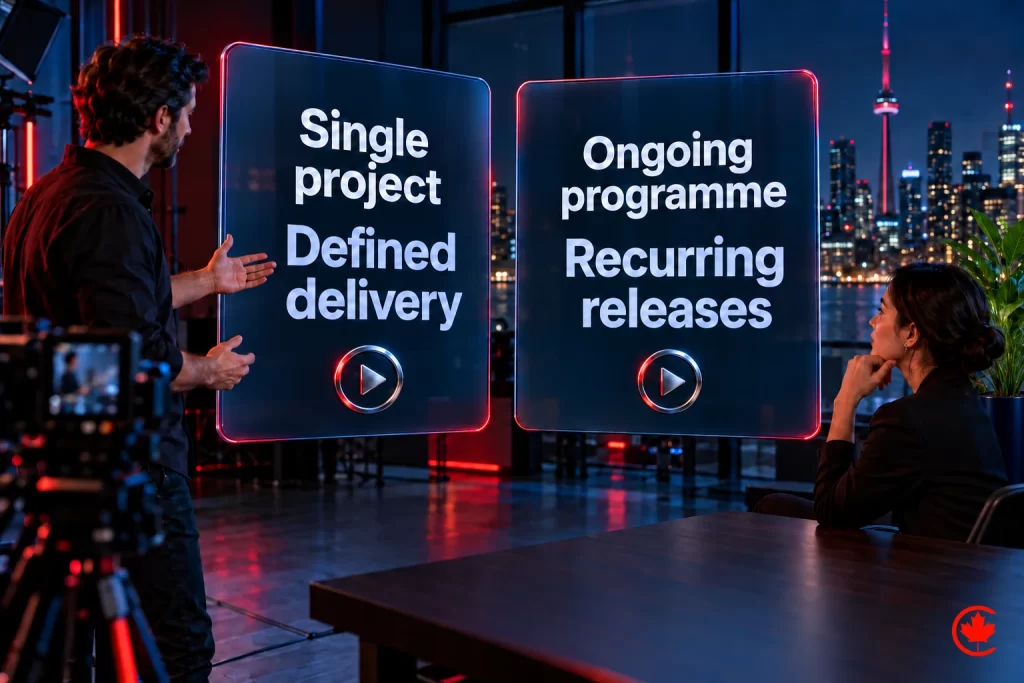
A corporate film, a product launch video or a recruitment piece is a project with a start and an end. Social media video is a program: short clips every week, cut vertical, captioned, watched with the sound off and refreshed because audiences tire of the same creative. Most Toronto businesses now need some of both, and the two call for different crews, different budgets and different ways of working. Ask every company which it does, which it is stronger at, and how it would plan a shoot day so that one session produces the long film and a month of short clips.
What to ask to see
- Complete videos made for a business like yours. A reel shows the prettiest three seconds of thirty projects. Ask for two or three finished videos and watch them to the end. Does the message land, is the sound clean, and do the interviews sound like people or like scripts?
- Where those videos ran and what they were for. A company that plans video as marketing can tell you which page the film sat on, which ads were cut from it and what the client used it for. A company that cannot answer those questions made a video with no job attached.
- The crew and the kit for your kind of shoot. Who directs, who shoots, who records sound, who edits, and whether they are staff or hired per project. Interviews need a sound recordist and proper lighting; a product shoot needs a different setup from a factory floor.
- A sample quote with its assumptions. Shoot days, crew size, locations, deliverables, review rounds, music and stock licences, and what is excluded. This is the document that tells you whether two quotes are for the same work.
- Deliverables cut for each platform. Ask to see a project delivered as a full master for the website, shorter ad edits and vertical cuts for Reels, TikTok and Shorts, with captions on each. A company that hands over one horizontal file leaves the real work to you.
Questions for the first meeting
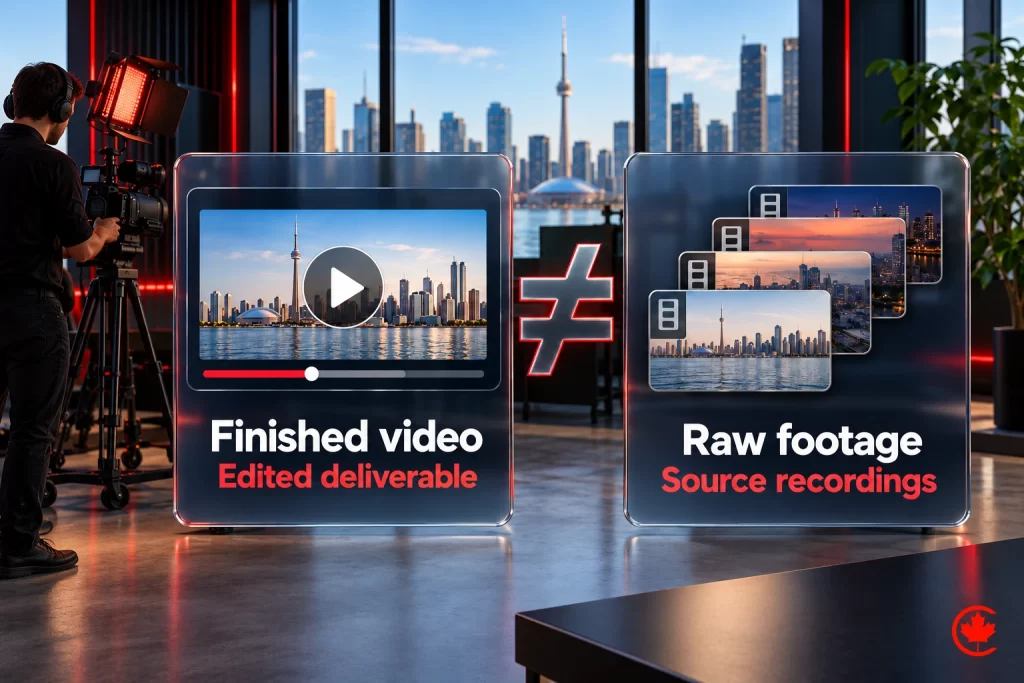
- Who owns the finished videos and the raw footage? The finished files should be yours to use anywhere, and you should know up front whether raw footage is handed over, archived for you or kept by the company, and for how long.
- What is included: planning, script, shoot days, crew, editing, colour and sound, review rounds, captions, and versions for each platform? Anything missing from that list is where the extra invoices come from.
- How are music, stock footage and fonts licensed, and do the licences cover ads as well as the website? Music licensed for a web video is often not licensed for paid campaigns. The rules sit in Canada’s Copyright Act, and the company should be able to name the licence that covers each use.
- How do you handle releases and permissions? A release from every person who appears, permission for every location that is not yours, and written consent from a parent or guardian when children are involved. A recognizable face on video is personal information under Canadian privacy law, and the Office of the Privacy Commissioner explains what meaningful consent looks like. If you plan testimonial videos, check your regulator’s rules first: some regulated professions in Ontario restrict testimonials in advertising. This is a marketing-risk observation, not a legal opinion.
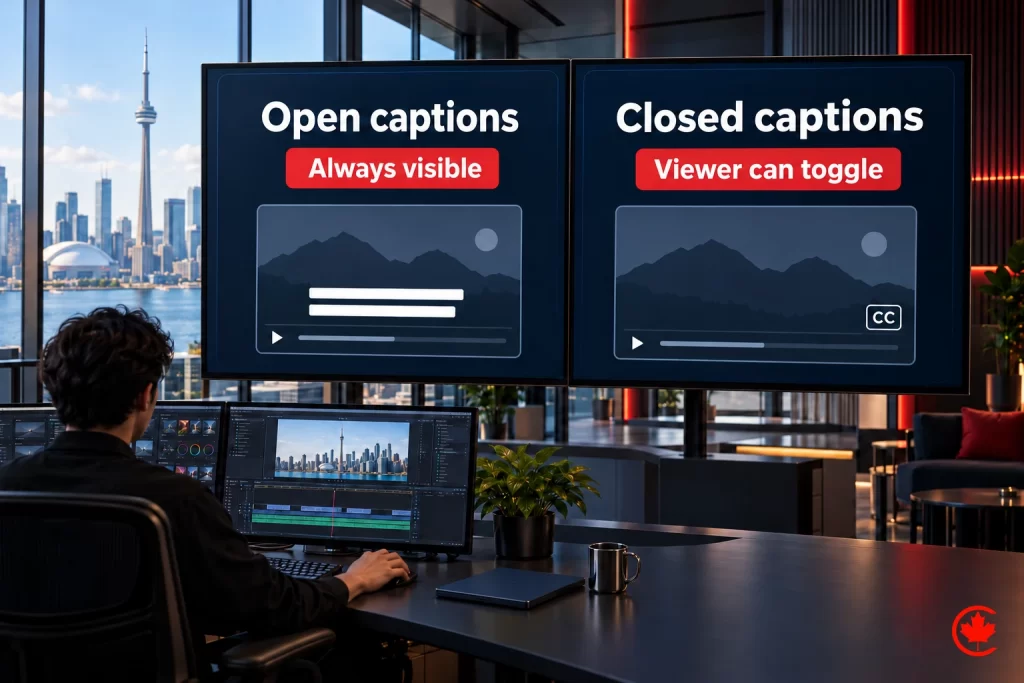
- How do you caption? Captions burned in for social platforms, separate caption files for YouTube and your website, and accuracy checked by a person. Many viewers watch with the sound off, and captioned video is easier to use on sites that aim to meet accessibility standards.
- What will you not do? Buying views, misleading claims in ads, and stock footage presented as your premises should all be on the list. Advertising claims in Canada fall under the Competition Bureau’s rules on deceptive marketing practices, and a company that makes ads should know them.
Warning signs
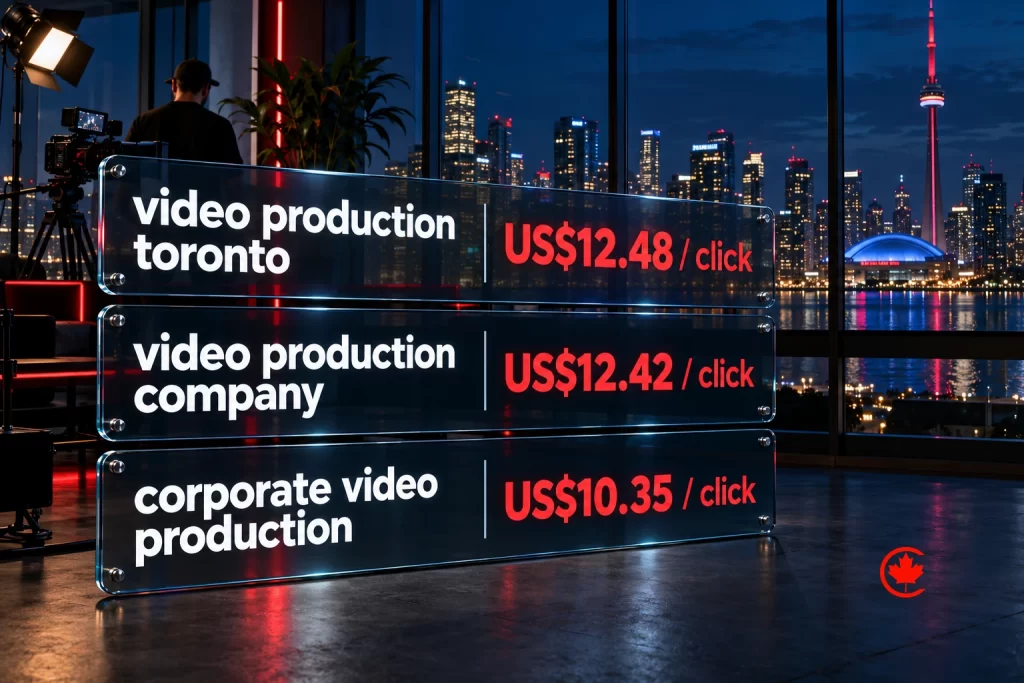
- A rate per finished minute before anyone has asked what the video is for. The cost of video is set by shoot days, crew, locations and deliverables, and a per-minute rate hides all of them.
- No script or shot plan before the shoot. A shoot day without a plan produces hours of footage and a long edit that still misses the message.
- Stock footage and stock music that could belong to anyone. If the examples do not show real people, real premises and real work, yours will not either.
- One cut for every platform. A horizontal film cropped for a vertical feed, with no captions, is the clearest sign that nobody planned where the video would run.
- Nothing said about licences and releases. Unlicensed music and missing releases are problems that appear after the video is public, when they are expensive to fix.
- No connection to your marketing. A video that nobody plans to place on a page, in a campaign or in a sales process cannot be judged, and is often never watched.
What the first project should look like
It starts with a planning call that produces a short brief: the audience, the message, the places the video will run and the deliverables. Then a script or interview outline, a shot list and a schedule, with releases and location permissions arranged before the shoot day. The shoot should capture more than the main film needs, so the short clips and later ad refreshes come from the same day. Editing follows with agreed review rounds, colour and sound finishing, licensed music, captions and graphics, and the delivery includes every version the brief asked for, each named for where it goes. If you are reviewing a first cut and nobody has yet discussed which page or campaign it is for, that conversation is overdue.
Comparing quotes
Lay the quotes side by side and score them on the same lines: understanding of the job the video has to do, the plan for the shoot, the crew and their experience with your kind of business, deliverables for each platform, captions, licences and permissions, review rounds, ownership of the files, and how the video will be placed and measured. Compare the assumptions behind each quote before comparing the totals, and ask each company to quote the work in writing after a planning conversation so the scope fits your business.
How Canada Create runs video production in Toronto
Canada Create has produced creative and marketing work for Toronto and Canadian businesses since 2008 and is BBB Accredited with an A+ rating. One team plans, scripts, films and edits corporate video, commercial video and short social clips, and because the same team runs marketing, every video is planned for the page, campaign or channel it will live on. Releases and location permissions are arranged before filming, licensed music is standard, every video is delivered with accurate captions, and the deliverables are cut for where they will run, from a full master for the website to vertical versions for Reels, TikTok and Shorts. Every project is quoted in writing after a short planning call, with shoot days, crew, deliverables and review rounds listed. If you are comparing companies, we are glad to be one of the quotes. See how our video production company in Toronto plans, shoots and edits each project, explore social media video production and motion graphics and explainer videos, or book a free consultation to talk through what your video has to do.
Frequently asked questions
What drives the price of hiring a Toronto video production company?
Video is priced by shoot days, crew size, locations, deliverables, review rounds and the music and stock licences involved. A short social clip and a four-minute explainer are different jobs with different costs. Ask each company to quote in writing after a planning conversation, with every assumption listed. Compare those assumptions before you compare the totals.
We plan, shoot and edit business videos for websites, ads and social media in Toronto.
Is a per-minute rate a fair way to compare video production pricing?
No, a rate per finished minute hides almost everything that sets the price. Shoot days, crew, locations and the number of edits you need drive the cost far more than running time. A company that quotes per minute before asking what the video is for has not planned the work yet. Ask for a sample quote that lists its assumptions and exclusions instead.
What work does a video production company handle between planning and delivery?
A capable company starts with a short brief covering the audience, the message and the places the video will run. It then writes a script or interview outline, builds a shot list and arranges releases and location permissions before filming. After the shoot come editing, colour and sound finishing, licensed music, captions and graphics. Delivery should include every version the brief asked for, each named for where it goes.
Which signs point to a good video production company for a small business?
Look for a company that asks what the video has to do before it talks about cameras. Ask to watch two or three complete videos made for businesses like yours, and find out where those videos ran. Check who directs, shoots, records sound and edits, and whether they are staff. Finally, ask to see a project delivered in versions cut for each platform, with captions.
How is corporate video production different from social media video work?
A corporate film is a project with a start and an end. Social video is an ongoing program of short vertical clips, captioned for viewers who watch with the sound off and refreshed because audiences tire of the same creative. The two need different crews, budgets and ways of working. A well-planned shoot day can capture the long film and a month of short clips in one session.
Can music licensed for a commercial video also be used in paid ads?
Not always, because music licensed for a website video is often not licensed for paid campaigns. Stock footage and fonts carry their own licence terms too. The rules sit in Canada's Copyright Act, and your production company should be able to name the licence that covers each use. Settle this before the video goes public, since unlicensed music is expensive to fix later.
What releases does a video production service need before filming people?
Every person who appears should sign a release, and every location that is not yours needs permission. When children are on camera, a parent or guardian must give written consent. A recognizable face on video counts as personal information under Canadian privacy law. Some regulated professions in Ontario restrict testimonials in advertising, so ask your college or regulator what is allowed today before you plan one.
Who keeps the raw footage when a video production company finishes the job?
That depends on the agreement, so ask before the shoot. The finished videos should be yours to use anywhere. Raw footage may be handed over, archived for you or kept by the company, and you should know which and for how long. Canada Create plans, films and edits video and delivers captioned versions cut for each place they will run.
Why should business videos come with captions?
Many people watch video with the sound off, especially in social feeds. Captions also make video easier to use on websites that aim to meet accessibility standards. Ask for captions burned in for social platforms and separate caption files for YouTube and your website. A person should check them for accuracy.