8 Best Website Builders and Options for Business
Last updated: September 2026
Picking a website builder is one of those decisions that feels small until you are six months in and stuck on a platform that cannot do what you need. The best website builders for small business owners share a few traits: a short learning curve, honest pricing with no surprise add-ons, and room to grow without a full rebuild. Canada Create™ tested seven platforms, and we also compare them with a professionally built site from our own team (disclosure: Canada Create™ is our company), against those criteria, with an eye on what actually matters for a shop, clinic, or service business running lean.
Comparison Table: Website Builders at a Glance
| Builder | Best For | Starting Price (CAD/mo) | Ease of Use | E-commerce Ready |
|---|---|---|---|---|
| Canada Create™ custom website (our pick) | Businesses that want leads, not a DIY project | Fixed project quote | Done for you | Yes, WooCommerce or Shopify |
| Wix | General small business | ~$23 | Very easy | Yes |
| Squarespace | Service businesses, portfolios | ~$25 | Easy | Yes |
| Shopify | Online stores | ~$35 | Moderate | Best-in-class |
| WordPress.org + builder | Content-heavy sites, blogs | Hosting from ~$8 | Moderate to steep | Via WooCommerce |
| Webflow | Custom design, agencies | ~$20 | Steep | Limited |
| Hostinger Website Builder | Budget-conscious startups | ~$6 | Very easy | Basic |
| GoDaddy Websites + Marketing | Quick launch, local services | ~$14 | Very easy | Basic |
Canada Create™ builds and optimizes WordPress sites for Toronto businesses. Tell us your goals and we will recommend the right setup.
Best For Matrix: Match the Builder to Your Business Type
- Retail or product-based small business: Shopify, for inventory, shipping, and payment tools built specifically for selling.
- Local service business (salon, clinic, contractor): Wix or GoDaddy, for fast setup and built-in booking or contact tools.
- Creative or consulting business: Squarespace, for template design quality that photographers and consultants lean on.
- Content publisher or growing blog: WordPress.org paired with a page builder plugin, since it is the easiest platform to migrate and scale later, as we note in our Wix vs WordPress comparison.
- Agency-built custom site: Webflow, for design control, though it needs more technical time investment.
- Very tight startup budget: Hostinger Website Builder, for the lowest entry price among tested options.
Canada Create™ Custom Website: Our Top Pick for Businesses That Need Leads
A website builder gives you tools; you still have to plan the pages, write the copy, set up SEO, connect tracking and keep everything updated. Canada Create™ website design does all of that for you: a custom, fast, mobile-first WordPress site built around your services, with keyword research, on-page SEO, schema, conversion-focused layouts and forms that reach your inbox.
Pros: Built by a Toronto team with 18+ years of experience and a BBB A+ rating; SEO and Google Business Profile set up from day one; you own the site and content; optional managed hosting with updates and backups; 24/7 support at +1 (800) 808-9235.
Cons: Higher upfront cost than a monthly builder plan, and a project timeline of weeks rather than one afternoon.
Pricing: A fixed written quote after a free consultation, based on pages, features and content.
Best For: Service businesses, clinics, contractors, professional firms and online stores that need the website to rank on Google and generate enquiries.
Wix: Best DIY Builder for Small Business
Wix continues to lead this category in 2026 thanks to its drag-and-drop editor and a genuinely useful AI setup assistant that builds a starting layout from a short questionnaire. It suits a small business website builder canada shoppers might search for because it handles CAD billing and Canadian shipping zones natively when paired with its e-commerce plan.
Pros: Fast setup, strong app marketplace, solid built-in SEO tools, good customer support hours.
Cons: Switching templates later usually means starting the layout over, and higher-tier plans add up if you need advanced e-commerce features.
Pricing: Free plan available with Wix branding; business plans start around $23 CAD/month for a custom domain and no ads.
Best For: Owners who want to be live within a day and are comfortable with a template-based layout.
Squarespace: Best for Service Businesses and Portfolios
Squarespace’s templates remain some of the most visually consistent in the industry, which matters for photographers, designers, and consultants whose site is effectively a portfolio. This is a common point in any wix vs squarespace small business debate: Wix wins on flexibility, Squarespace wins on out-of-the-box polish.
Pros: Beautiful default typography and spacing, strong blogging tools, built-in scheduling for service businesses.
Cons: Third-party app ecosystem is smaller than Wix or Shopify, and the editor has a steeper learning curve for finer layout tweaks.
Pricing: Plans start around $25 CAD/month billed annually.
Best For: Service providers who care about visual presentation more than heavy customization.
Shopify: Best for Online Stores
Shopify is purpose-built for selling, and it shows in the checkout flow, shipping calculators, and inventory tools that come standard. For a Canadian seller weighing platforms, our breakdown of Shopify vs WooCommerce costs for a Canadian store digs deeper into long-term fees.
Pros: Best checkout conversion tools among builders, huge app store, reliable uptime during traffic spikes.
Cons: Transaction fees apply unless you use Shopify Payments, and content pages outside the store feel like an afterthought.
Pricing: Basic plan starts around $35 CAD/month.
Best For: Any business where the website’s main job is processing sales.
WordPress.org with a Page Builder: Best Free, Most Flexible Option
WordPress.org is technically free software, though you still pay for hosting and a theme or builder plugin. It remains one of the affordable website builders 2026 shoppers overlook because the setup looks more technical at first glance. Canada Create™ readers often ask why we still recommend it for growing sites: it is because no other platform gives you the same content ownership and plugin flexibility, a point we expand on in our full breakdown of why WordPress works as a CMS.
Pros: Full data ownership, largest plugin ecosystem, easiest platform to move between hosts.
Cons: You are responsible for updates and security unless you use managed hosting, covered in our guide to what a small business should budget for WordPress hosting.
Pricing: Software is free; budget hosting runs from about $8 CAD/month, with managed hosting considerably higher.
Best For: Businesses planning to publish content regularly or scale into a larger site over time.
Webflow: Best for Custom Design Control
Webflow gives designers visual control over CSS without writing code, which is why agencies use it for client sites that need to look distinct. It is a poor fit for a first-time builder without design experience, though.
Pros: Pixel-level design control, clean code output, strong animation tools.
Cons: Steepest learning curve on this list, e-commerce features lag behind Shopify.
Pricing: Plans start around $20 CAD/month for a basic site.
Best For: Businesses working with a designer who wants full creative control.
Hostinger Website Builder: Best Budget Pick
Hostinger’s builder is one of the easiest website builder options for a founder with almost no budget, bundling hosting and an AI content assistant at a low monthly rate.
Pros: Lowest starting price tested, AI writing assistant included, fast page load speeds.
Cons: Smaller template library, fewer third-party integrations than the bigger platforms.
Pricing: Plans start around $6 CAD/month.
Best For: Solo founders who need a professional site fast on a tight budget.
GoDaddy Websites + Marketing: Best for Quick Local Launch
GoDaddy’s builder trades flexibility for speed, walking new users through a short setup wizard that produces a usable local business site in under an hour.
Pros: Fastest setup process tested, built-in appointment booking, bundled domain and email.
Cons: Design customization is limited compared to Wix or Squarespace.
Pricing: Plans start around $14 CAD/month.
Best For: Local service businesses that want something live today, not next week.
Canada Create™’s team runs into this comparison constantly when scoping new client projects, and the pattern holds across most of the small businesses we work with: speed of launch matters most in month one, but flexibility matters most by year two.
Ready to Skip the Builder? Let Canada Create™ Build It
If you compared seven builders and still are not sure which one will actually bring in customers, the answer may be none of them. A professionally built website from a Canadian agency gives you a site designed to rank, convert and grow, without spending your evenings dragging blocks around.
Is There a Canadian Website Builder?

Shopify is the one major builder on this list that is a Canadian company, headquartered in Ottawa. The other platforms are based outside Canada: Wix in Israel, Squarespace, Webflow and GoDaddy in the United States, and Hostinger in Lithuania. WordPress is open-source software, so a WordPress site can be hosted on a Canadian server by a Canadian provider if keeping data in Canada matters to your business.
For most small businesses, where the company is based matters less than three practical questions. Does the platform bill in Canadian dollars, or will you pay in US dollars and absorb the exchange rate? Does checkout support Canadian payment methods and calculate GST, HST and PST correctly for your province? And if you collect personal information through forms or bookings, can you meet your obligations under PIPEDA, or Quebec’s Law 25 if you serve Quebec customers? Ask each platform these questions before you sign an annual plan.
If you are searching for a free Canadian website builder, be aware that free plans on hosted builders usually show the platform’s branding and use a subdomain rather than your own domain name. That is fine for testing an idea, but a business that wants to be taken seriously by customers, and by Google, should budget for a paid plan with a custom domain from the start.
Squarespace vs Wix vs WordPress: How We Decide on Client Calls
We get asked constantly which of the big three to pick, so here is the answer we give on client calls. If you need to sell products, use Shopify. If you want the easiest possible self-editing experience and a clean design with no growth ambitions beyond five to ten pages, Wix or Squarespace are both fine choices. If your budget is tight and you need something live this week, Hostinger or GoDaddy gets you there, with the understanding that it is a starting point rather than a permanent home. If you expect your business or your website to grow over the next three years, in locations, in services or in content, build on WordPress from day one, even though it takes more setup work up front.
The platform is rarely the deciding factor on its own. A well-built site on a simple builder can outperform a poorly built WordPress site, and the reverse is also true. Page speed, clear service pages, accurate business information and a fast way to contact you matter more to customers than the software underneath.
The Mistake We See Most Often
The biggest mistake small business owners make when choosing a website builder is optimizing for how easy it is to launch instead of how well the site will hold up in year two. We regularly take over sites built on quick-launch platforms where the owner spent months building a customer base and content, then hit a wall when they wanted to add a booking system, separate pages for each service area, or proper tracking for ad campaigns. Moving a site after the fact costs more, in money and in lost search visibility, than choosing the right platform the first time.
That is why we ask about a business’s plans for the next two to three years before recommending a platform. A restaurant that plans to stay at one location has very different needs from a home services company planning to expand into four new cities. If you are choosing a website creator for your small business for the first time, or you are stuck on a platform that cannot keep up, ask Canada Create™ for a second opinion before you commit.
How We Chose These Website Builders
We evaluated each platform on five factors: setup speed for a non-technical owner, template quality, pricing transparency, e-commerce capability, and how easy it is to migrate away later. As we cover at Canada Create™ when advising clients through a DIY builder versus hiring a designer decision, the right choice depends less on features and more on how much time an owner can realistically spend maintaining the site. We also weighed how each platform handles CAD pricing and Canadian tax settings, since that trips up a surprising number of small business website builder canada searches.
Independent testing from outlets like PCMag’s website builder reviews and Wirecutter’s builder comparisons generally lines up with what we found: Wix and Squarespace dominate the general small business category, while Shopify remains the clear pick once selling products online is the primary goal.
What to Check Before You Commit to a Builder
A few practical checks save headaches later. First, confirm the platform supports a custom domain on its lowest paid plan, since some free tiers force a subdomain that looks unprofessional. Second, check how easy it is to export your content if you switch platforms in a year or two; WordPress.org wins here by a wide margin. Third, test the mobile editing experience directly, since a growing share of small business owners update their site from a phone between appointments. Canada Create™ sees this last point trip up more new site owners than any other factor.
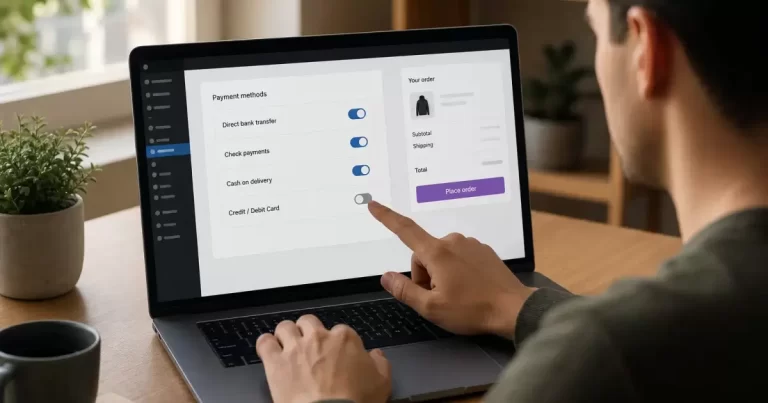
Canada Create™ readers running a storefront should also confirm the builder supports Interac and major Canadian payment processors before signing an annual plan, since switching payment providers mid-year can mean re-doing checkout integrations from scratch.
Frequently Asked Questions
What is the best website builder for a small business on a tight budget?
Hostinger Website Builder currently offers the lowest entry price of the platforms we tested, though Wix’s free plan is a reasonable starting point if you can live with Wix branding temporarily.
Is Wix or Squarespace better for a small business?
Wix generally wins on flexibility and app selection, while Squarespace wins on out-of-the-box design polish, especially for service businesses and portfolios. Most of the wix vs squarespace small business comparisons come down to how much customization you want versus how much design work you want done for you.
Should a small business use WordPress instead of a website builder?
WordPress makes sense once you plan to publish content regularly or expect to outgrow a simple template site. For a purely brochure-style site with no blog, a hosted builder like Wix or Squarespace is usually faster to launch, a tradeoff we outline in our WordPress vs Webflow comparison for growing businesses.
What is the easiest website builder for someone with no technical experience?
Wix, Hostinger Website Builder, and GoDaddy Websites + Marketing all test well for non-technical founders because of their guided setup wizards and AI-assisted layout tools.
Do these website builders work well for Canadian small businesses specifically?
Yes. Wix, Shopify, and Squarespace all support CAD pricing, Canadian shipping zones, and Canadian payment processors, which matters more than people expect once you compare it against building on a US-first platform. If you would rather skip the DIY route entirely, see our e-commerce website design and web design services in Toronto.
Is there a Canadian website builder?
Shopify is headquartered in Ottawa. Most other popular builders are based outside Canada, so check CAD billing, Canadian payment methods, sales tax settings and privacy obligations before you choose one.
Related Resources
- Wix vs WordPress: Which Is Better?
- Shopify vs WooCommerce for a Canadian Store
- DIY Website Builder vs Hiring a Designer: 5-Year Cost