
Toronto · Social media advertising
Social Media Advertising Agency in Toronto
Social media advertising in Toronto: paid campaigns on Facebook, Instagram, TikTok, LinkedIn and YouTube, judged by the enquiries, bookings and sales they produce.
A social media advertising agency for Toronto and GTA businesses: Facebook, Instagram, TikTok and LinkedIn ads measured on leads, from North York to downtown.
- BBB A+ accredited
- 18 years in business
- Mon to Fri 9 to 6, Sat 10 to 2
Get your custom paid social proposal
Tell us what you sell, who buys it and which platforms you use today. Request your custom proposal.
Please do not share passwords or other sensitive details here. We never sell your contact information and we comply with Canadian privacy law
(privacy policy).
What paid social should produce
Leads and sales you can count
Campaigns judged on cost per lead, cost per sale and lead quality, reported every month with a call to review the numbers.
Budget on the right platforms
Spend placed where your buyers are, from Facebook and Instagram to TikTok, LinkedIn and YouTube, and moved when results change.
Ads that fit each feed
Placement-specific images, video and copy, with new concepts tested against response and lead quality.
Control of your campaign accounts
Accounts are set up in your business’s name where the platform permits, with access and supported handover options documented.
What paid social management includes
The written scope lists every item before work starts, so you know exactly what the monthly management covers.
- Paid social strategyGoal, audience, offer, platforms and starting budget agreed in writing before launch.
- Tracking and pixel set-upSupported pixels, server-side events and analytics, scoped around the platforms, data permissions and measurement needs.
- Facebook and Instagram ads managementAcquisition, eligible remarketing and creative tests structured around the objective and available conversion signals.
- TikTok and LinkedIn adsNative short video for TikTok and job title targeting, document ads and lead gen forms on LinkedIn.
- Creative and copyImages, short video, carousels and ad copy in every placement size, with new angles tested each month.
- Landing pages and lead formsPages and forms that match the ad, with qualifying questions where lead quality matters.
- Lead routing to CS+Enquiries sent to your inbox and to CS+, our CRM, so follow-up is fast and results can be traced to sales.
- Monthly report and callSpend, results and cost per result by campaign, what we learned and the plan for next month.
How social media advertising is quoted
Set-up, monthly management and ad spend are kept separate. Management is quoted in writing after a strategy call, and your ad budget goes directly to the platforms.
Strategy call and account review
Free
Businesses that want an honest look at their current ads, tracking and platforms before committing.
- Ad account and tracking review
- Platform recommendation
- Starting budget guidance
- Written next steps
Paid social management
Quoted in writing
Ongoing Facebook, Instagram, TikTok or LinkedIn campaigns. Cost drivers are platforms, campaigns, creative volume, landing pages, special ad category or Quebec needs and CRM tracking depth.
- Campaign build and management
- Creative and copy testing
- Tracking and lead routing
- Monthly report and call
Ad spend
Your budget
Paid by you directly to Meta, TikTok, LinkedIn or Google from accounts in your name.
- Set with you before launch
- Moved to the best campaigns
- Never marked up
Management is always quoted in writing, and we agree a starting budget and a target cost per lead or sale before launch, then report against it every month.
Paid social
Social media advertising agency
A social media advertising agency measured by leads and sales
Paid social judged by the enquiries and sales it brings in. Social media advertising in Toronto is the planning, creative, targeting and management of paid campaigns on Facebook, Instagram, TikTok, LinkedIn and YouTube, aimed at people in the city and the GTA who match your buyers, with every campaign tied to a lead form, booking or sale. Canada Create is a social media advertising agency based at 126 Willowdale Ave. in Toronto, in business since 2008 and BBB Accredited with an A+ rating. We judge every campaign by the enquiries, bookings and sales it produces. Likes, reach and follower counts are easy to buy and easy to report, and they say very little about whether the money you put into ads came back. When social is one part of a wider plan across search, video and display, our paid media agency team plans the full mix.
Related platforms have their own pages: Instagram ads in Toronto, Pinterest ads in Toronto and, for organic posting, social media marketing and management in Toronto.
Since 2008 we have helped owners, marketing managers and sales teams turn ad spend into conversations with real buyers. The work covers strategy, audience research, creative, landing pages, conversion tracking, campaign management and a plain monthly report. Your ad accounts stay in your name, your budget is paid directly to the platforms. Call (416) 273-9030, Monday to Friday, 9 am to 6 pm, and Saturday, 10 am to 2 pm. After hours, our 24/7 AI agent answers the toll-free line, +1 (800) 808-9235, and we’ll follow up the next business morning. We will get a proposal to you.

Choosing a paid social agency means looking beyond a busy feed or an impressive reach figure. This page explains our platform selection, creative process, measurement, scope and pricing approach, so you can assess how the work would support your sales team.
Paid social media advertising and organic content: how they fit
Paid social media advertising promotes a defined offer and directs people to a lead form, booking page, product page or another agreed action. You control the campaign budget and can adjust delivery as you learn. Enquiries may arrive soon after launch, but their timing and quality depend on the offer, audience, creative and follow-up. Results and attributed conversions can continue after delivery pauses.
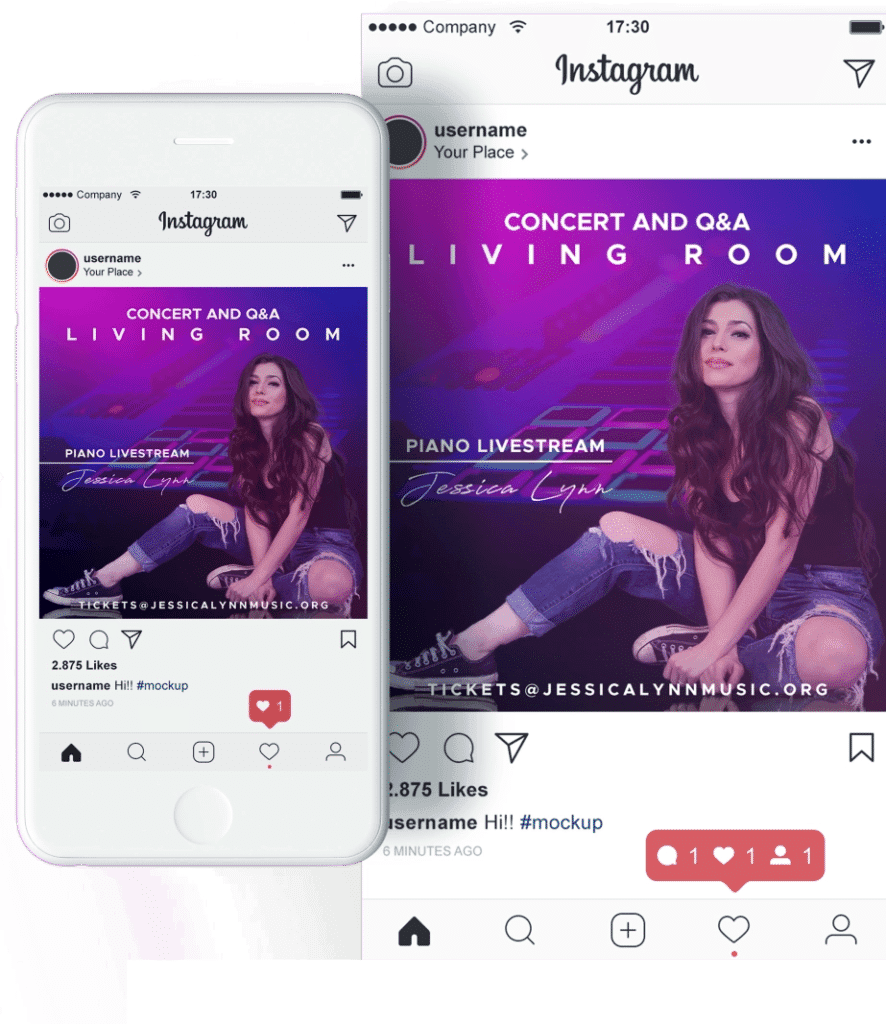
Organic content, the posts you publish on your own profiles, plays a supporting role. When someone sees your ad, they often tap through to your profile before they enquire. A profile that looks active and genuine reassures them; an empty one raises doubts. Posts that perform well on their own also make good test material for ads. We keep this page focused on paid campaigns. For ongoing posting, community management and content calendars, see our social media management services.

Facebook and Meta ads agency in Toronto
As a Facebook and Meta ads agency in Toronto, we plan, build and manage Facebook and Instagram campaigns through Meta Ads Manager. Their formats include lead forms, messaging, catalogue ads and eligible audience campaigns. We assess them against your buyers and offer rather than assume every business should start there. Targeting, placements and data use depend on the category, account and current platform rules. The technical side, from Pixel and Conversions API deduplication to Advantage+ sales campaigns and special ad categories, is covered on our Meta ads management in Toronto page, and Instagram-led work on Instagram ads in Toronto.

The campaign objective should reflect the action your business needs. Click, lead and purchase objectives optimize toward different signals; none ensures that the people reached will become customers. We choose the supported objective, test the conversion events and review lead quality with your sales team before deciding how much to invest.

Campaign structure that lets the algorithm learn
A simpler campaign structure can help a limited budget generate useful evidence. We separate acquisition, eligible remarketing and creative tests where doing so serves the objective, while avoiding unnecessary audience fragmentation. Category restrictions and the amount of conversion data shape the final structure.
Placements and formats
Ads can run in the Facebook feed, Instagram feed, Stories, Reels, Messenger, Marketplace and the Audience Network. Each placement looks different and suits different creative. Vertical video for Stories and Reels, square or portrait images for feeds, carousels for showing several products or steps, and instant experiences for richer mobile stories. We prepare placement-specific sizes and review previews, safe areas and cropping before launch.
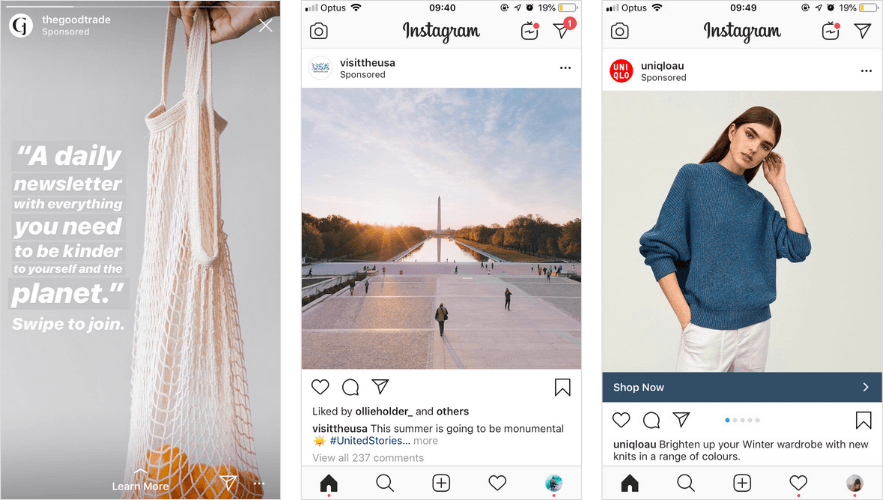
Lead forms or landing pages
Instant forms reduce the effort needed to enquire; a landing page gives you more room to explain and qualify the offer. Neither automatically produces better leads. We can test both against qualified enquiries, bookings and sales, with appropriate questions and a follow-up process your team can sustain.
TikTok and LinkedIn ads
TikTok and LinkedIn sit at opposite ends of paid social. One is fast, casual and built on short entertaining video; the other is professional, slower and built on job titles and company data. Both can be valuable, and both are easy to waste money on when they are treated like Facebook. For LinkedIn campaigns run on their own, see our LinkedIn advertising agency in Toronto.

TikTok ads
TikTok can introduce products and services through short demonstrations, creator-led stories and other platform-native formats. We test hooks, pacing and calls to action rather than assume an informal video will always outperform a polished commercial. Before-and-after claims or sensitive-category creative are used only where permitted and supported.
TikTok can support consumer brands, hospitality, beauty, events, ecommerce and selected B2B or recruitment campaigns when the audience and offer fit. Employment advertising in Canada must follow TikTok’s special-category restrictions, including limits on age targeting. Supported pixel and Events API integrations are tested with the agreed data permissions; forms and landing pages are chosen around the sales process.



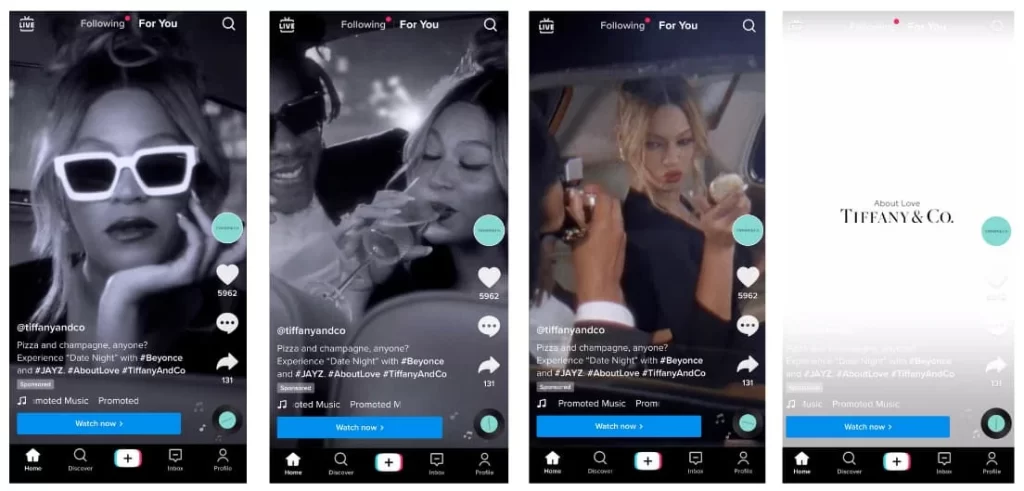
LinkedIn ads
LinkedIn offers professional targeting such as job function, seniority, industry, company size and eligible company-list audiences. It can suit high-value B2B software, professional services, commercial services, manufacturing, education and executive recruitment. We assess cost against qualified meetings and opportunities rather than assume its clicks are always more expensive or its targeting more precise than every alternative.
The formats that tend to work are sponsored content in the feed, document ads that share a useful guide in exchange for contact details, conversation ads for invitations, and lead gen forms that pre-fill from the member’s profile. Because B2B decisions take months and involve several people, we measure LinkedIn by meetings booked and opportunities created, and we connect those outcomes back to campaigns wherever your CRM allows.
YouTube, Spotify and other paid placements
YouTube advertising is bought through Google Ads rather than a social ads manager, but it behaves like social video: people watch, skip or act. It reaches people who are researching purchases, and it pairs well with search campaigns because viewers often search for the brand later. Where your plan includes search, we coordinate YouTube with our Google Ads management so the same audiences and conversion data serve both.

Spotify audio and video ads reach listeners during music and podcasts and suit brand awareness campaigns, events and consumer launches. Pinterest can bring steady traffic from people planning home, wedding, fashion and food purchases. Snapchat and Reddit have their own audiences and ad tools. We can test these channels when there is a clear audience, objective and budget, including alongside other campaigns that are still being developed.


Social media advertising platforms at a glance
Each platform reaches a different mood and a different buyer. This is how we usually match them to Toronto businesses, with a page for each where we manage it on its own:
Facebook and Instagram (Meta)
The broadest reach in Canada and the most mature lead and purchase optimization. The first platform to test for most consumer offers, local services with a visual story and ecommerce. See Meta ads management in Toronto and Instagram ads management in Toronto.
TikTok
Short vertical video that has to feel native to the feed. Strong for consumer brands, restaurants, beauty, fitness, events and recruiting younger staff; weak for narrow B2B audiences. Read what works in TikTok ads in Canada.
Targeting by job title, seniority, company and industry, at higher click prices. Built for B2B services with a high client value. See LinkedIn advertising in Toronto.
YouTube
Video bought through Google Ads, reaching people while they research and pairing well with search. See YouTube advertising in Toronto.
X
Timely conversation, keyword and follower look-alike targeting, and audiences that follow news, sport, finance and technology. See X ads management in Toronto.
Pinterest, Snapchat and Reddit
Pinterest reaches people planning home, wedding, fashion and food purchases; Snapchat reaches younger audiences; Reddit reaches interest communities that reward honesty. See Pinterest ads, Snapchat ads and Reddit ads in Toronto.
A social media advertising strategy that holds up
A social media ads campaign works when six decisions line up, and most wasted budgets can be traced to one of them being skipped:
- One objective: leads, purchases, bookings or awareness, chosen before the campaign is built, because each platform optimizes toward the objective you pick.
- A defined audience: where they live, what they care about and what they already know about you. Broad audiences can work on Meta and TikTok once tracking is reliable; narrow ones need care so delivery does not stall.
- An offer worth stopping for: people on social media were not looking for you, so the ad has to give them a reason.
- Creative made for the placement: vertical video for Reels, Stories and TikTok, square or vertical images for feeds, captions for people watching muted, and the brand shown early.
- A next step that fits the moment: an instant form for quick enquiries, a landing page when the decision needs more information, a booking link when the customer is ready.
- Measurement that counts outcomes: pixels and server-side events tested before launch, and leads followed into your CRM so cost per qualified lead or sale can be reported.
We usually structure a campaign in three stages: prospecting to reach new people, consideration to give engaged people a reason to look closer, and conversion to ask for the enquiry or sale from people who have shown interest. Smaller budgets often start with prospecting and conversion only, then add the middle stage once there is enough data.
What our paid social management includes
Every engagement is scoped in writing before work starts. The proposal selects the pieces your paid social program needs.
Strategy and offer
The action you need, the audience, the offer, the platforms and the starting budget, agreed in writing before anything launches.
Account and tracking set-up
Business Manager, ad accounts, pixels and server-side conversion events, so a click, a lead and a sale are counted separately.
Creative and copy
Images, short video and ad copy built around the offer and the questions buyers ask, with landing pages that match the ad.
Management and reporting
Weekly optimization of audiences, creative and budget, with a monthly report and call focused on cost per lead and cost per sale.
Measurement comes first. We test supported conversion events for duplicate firing, placement and value before scaling spend. When results miss the agreed objective, we investigate the offer, creative, audience, tracking and follow-up before shifting or pausing budget. A profitable replacement campaign is not assumed to be available.
Some agencies bundle many services under one social package: email marketing, content writing, branding, web design and search. Canada Create offers several of those as separate services, and we connect them where you use more than one. This page covers the paid social work itself, so you can see exactly what you are buying.
Ad creative that earns the click
Creative gives the delivery system signals and gives buyers a reason to act. We test the offer, message and format alongside targeting, landing-page experience and follow-up. That keeps the work focused on the whole path to an enquiry rather than treating any one setting as a shortcut.

Ads that work tend to share a few traits. They say something specific in the first second or first line. They show real people, real products and real places rather than stock images. They speak to one buyer’s situation instead of listing every service. They make the next step obvious. And they look like they belong in the feed. We write several angles for each campaign, such as a problem angle, an offer angle, a proof angle and a question angle, and let spend flow to the ideas buyers respond to.

Short vertical video is a core format for Reels, Stories, TikTok and YouTube Shorts. Our video production team can plan a shoot that supplies weeks of ad creative, or we can coach your team to capture clips on a phone while we handle editing, captions and sizing. We review frequency, response and lead quality to decide when to refresh a creative concept.
Creators and influencers can also supply ad creative. With the creator’s written permission, their content can run from your ad account or as partnership ads, which often feels more trustworthy than brand-made video. We agree usage rights, disclosure and payment in writing before anything runs.
Audiences, targeting and retargeting
Targeting on social platforms has changed. Privacy updates on phones and browsers reduced the data platforms can see, and the platforms responded by leaning on broad audiences and their own machine learning. In many accounts, a broad audience with strong creative and accurate conversion data now outperforms narrow interest stacks. We still use detailed targeting where it clearly helps, for example with LinkedIn job titles or a tight service radius, and we test rather than assume.

First-party data can inform campaigns where the platform, category and permissions allow it. Eligible customer lists, website audiences and engagement signals may support exclusions, lookalike tools or remarketing. Consent alone does not make every audience use permissible, particularly for sensitive services. We report remarketing separately from acquisition and compare its contribution with the people who were already likely to return.
Location settings should reflect your service area and the controls offered by the current account. We review supported regions, radiuses, exclusions and any audience-expansion options, then compare delivery and enquiries with the places you actually serve. Platform location signals are estimates; a location setting is not proof of residence, and some leads may come from outside your area.
Tracking, reporting and follow-up
Platform reports need to be checked against your own records. Depending on scope and eligibility, we can implement Meta pixel and Conversions API, TikTok pixel and Events API, LinkedIn Insight Tag, Google Analytics 4 and campaign-link labels. We document the events and fields shared, configure the agreed consent behaviour and test duplication. Server-side tracking does not remove privacy obligations or recover every missing conversion.
We can route eligible lead-form submissions to your inbox and to CS+, our CRM, or your existing system. Booking and sales outcomes help assess lead quality. Where an approved integration supports it, appropriate conversion events can return to the platform; health, financial and other sensitive information needs particular care and must not be sent simply because a connector accepts it.
Each month you receive a plain report: spend, results and cost per result by campaign, what we tested and learned, which creative is winning, and the plan for next month. It is followed by a call where you can ask anything. You also keep full access to your ad accounts, so nothing in the report is hidden from you.
Meta ads or Google Ads: where a Canadian budget goes further
For a small or mid-sized Canadian business, the question is rarely which platform is better in general, but which one brings qualified enquiries at a cost you can sustain. Google Search fits best when customers already search for the service and expect to call or book soon. Meta fits best when showing the product or explaining the offer is central to the decision, or when the service is something people do not think to search for.
A fair test uses one definition of a qualified enquiry on both platforms, tracking on every route (forms, calls and bookings), enough budget on each to produce real results, and a review date agreed in advance. If the budget cannot support both properly, start with the platform whose audience and offer fit most clearly, then add the second when results justify it. Our comparison of Google Ads vs Meta ads for Canadian businesses sets out the test in more detail, and Google Ads management in Toronto covers the search side.
Paid social for B2B: Meta, LinkedIn and the buying committee
B2B purchases usually involve several people: the person who signs off the budget, the person who feels the problem, the people who will use the service and the ones who check risk. LinkedIn lets you reach those roles directly by job title, seniority, company size and industry, or by uploading a list of target accounts, and its lead forms fill in profile details so sales can see who asked. Meta reaches the same people more cheaply when they are off work, but without professional targeting, so qualification matters more.
The comparison that matters is cost per qualified opportunity, not cost per click or cost per form. A cheap Meta lead that never becomes a client is not cheap, and LinkedIn is not automatically right because the offer is B2B. Many B2B advertisers use both: LinkedIn to reach the right roles with useful content, and Meta or Google remarketing to stay in front of people who visited the site. Read Meta ads vs LinkedIn ads for B2B leads and how to target buying committees with LinkedIn ads for the full approach, and see B2B social media marketing in Toronto.
TikTok and YouTube ads in Canada: what works
Video now carries most paid social budgets, and the two biggest video platforms reward different things.
TikTok
TikTok ads work when they look like TikTok: filmed vertically on a phone, with real people, a hook in the first seconds, on-screen text for muted viewers and the product shown working. Spark ads promote your own organic posts or a creator’s post with permission, keeping the likes and comments. Several distinct creative versions, with different hooks rather than small edits of one video, are needed from the start, and a monthly filming session is usually enough for a small team to keep up. Paid or gifted creator partnerships must be disclosed clearly under the Competition Bureau’s guidance; see influencer marketing rules in Canada.
YouTube
YouTube ads lose most viewers at the skip button if the brand and the point come at the end, so the hook and brand go first. Skippable in-stream ads suit a message with a clear next step, bumper ads suit reminders, and Shorts placements need vertical versions. YouTube can reach people who recently searched for your services on Google, and viewers of your ads can be followed up with shorter reminders. For bilingual audiences, separate English and French versions work better than subtitles. Read YouTube ads for Canadian businesses.
On both platforms we judge campaigns on purchases, leads and bookings tracked by the pixel and server-side events, with view-through results reported separately, and use holdout periods or regions to check whether the ads changed sales when budgets allow.
Special ad categories, Quebec and Canadian advertising rules
Canadian campaigns need accurate claims, appropriate evidence and clear pricing, with paid or gifted creator relationships disclosed where required. Commercial email and text follow-up needs a valid CASL basis and the required identification and unsubscribe handling. We request supporting information and approvals; regulated claims and legal questions remain with your qualified advisers.
Platforms impose additional rules on housing, employment, credit and other financial advertising, with category names and restrictions varying by country and platform. We confirm the current declaration, audience and verification requirements before launch. Political or social-issue advertising requires a separate eligibility review where that advertising is permitted. Platform approval and account restrictions remain the platform’s decisions, even with a careful campaign setup.
If you advertise to people in Quebec, the province’s French language rules apply to commercial advertising, and ads and landing pages generally need to be available in French. We flag this during planning and build campaigns so French versions can run alongside English ones, using French copy you supply or approve. Regulated professions, health products, alcohol and cannabis have further rules. We plan within them, and for legal questions about your specific claims we recommend you check with your own adviser.
How to compare social media advertising agencies in Toronto
Agency directories and ranked lists use different methods, including paid placement or submitted information. Check how a listing was produced, then assess the agency against your own sales process, platforms, creative needs and reporting requirements. The questions below help make that comparison concrete.
- Who owns the ad accounts? They should be in your business name, with the agency added as a partner.
- How is success measured? Look for cost per lead, cost per sale and lead quality, not reach and impressions alone.
- Who makes the creative? Ask how often new ads are produced and tested.
- Is ad spend marked up? Management fees and ad budgets should be separate and visible.
- Who will you speak to? Ask whether the person managing your account joins the monthly call.
Major global groups include WPP, Omnicom, Publicis Groupe, Dentsu and Havas. Omnicom completed its acquisition of Interpublic in November 2025. Agency size alone does not establish the quality of attention or flexibility; ask who will manage your account, how decisions are made and what the proposed team can deliver.
Is hiring an agency worth it? It usually is when your time is better spent running the business, when previous self-managed ads were inconsistent, or when you need creative, tracking and campaign skills you do not have in-house. It may not be when your budget is too small to test properly or your team cannot follow up leads quickly. We will tell you which applies during the strategy call.
Decide the job social media has to do
Social media can do several different jobs: bring in enquiries directly through paid campaigns, warm up people who found you elsewhere, keep existing customers coming back, build a reputation that makes sales easier, or recruit staff. Each job needs different platforms, content and measurement. A restaurant group wants reservations and repeat visits from Instagram and TikTok. A law firm wants trust and referrals from LinkedIn and useful short video. A home services company wants booked jobs from Meta ads and reviews. Decide the job first, write it on one page, and give it to every agency you talk to.
What to ask to see
- Accounts they run for a business like yours. Open them on your phone together. Look at the last month: is the content specific to that business, does it get real comments from real people, does it look like the brand or like a template?
- A paid campaign with its numbers. Cost per enquiry, what the enquiries were, and what was tested. If the agency can only show reach and engagement, it is not managing to results.
- Who makes the content. Writers, designers, videographers, editors, where they are, and how often they will film at your business or with your team. Social content that never shows your real people and premises rarely performs.
- Their approval process. How posts and ads are planned, how you review them, and how fast a correction is made when something is wrong.
- A sample report. It should connect activity to enquiries and sales, not stop at followers and likes.
Questions for the first meeting
- How many pieces of content per month, on which platforms, and in what formats? Video carries most platforms now, so an agency without video capability is a limitation.
- How will you learn our voice, our customers and our industry’s rules? Clinics, law firms, financial services and real estate all have regulators that care about social posts as much as about ads.
- How do you handle comments, messages and reviews, including the negative ones, and how quickly?
- How does the paid social plan connect to the website and the CRM?
- What will you not post or run? Buying followers, fake engagement and misleading claims should be on the list.
Warning signs
- Follower counts as the headline metric. Followers are not customers. If the first slide is about growth in followers, the agency is selling activity.
- Stock content and generic captions. If the examples could belong to any business in any city, so will yours.
- No video plan. Short video is where attention is on every major platform. An agency that only designs static posts is behind.
- No connection to the website or sales. Social work that never links to a page that converts, and never reports what happened after the click, cannot be judged.
Comparing proposals side by side
Score each proposal on the same lines: understanding of the job social has to do, platform choice and reasoning, content capability including video, the paid social plan, community and review handling, measurement, ownership and the people doing the work. Compare what is included before comparing fees, and ask each agency to quote the work in writing after a discovery conversation so the scope fits your business.
Mistakes that waste social ad budgets
We see the same problems in many accounts we review. Boosting random posts instead of running campaigns with a clear objective. Optimizing for clicks or engagement when the business needs leads. Splitting small budgets across too many audiences. Running the same ads for months until results collapse. Sending paid traffic to a home page that does not match the ad. Leaving lead forms unanswered for days. Ignoring special ad category rules until the account is restricted. And the most expensive one: no reliable tracking, so nobody knows which ads produce customers. We prioritize the issues that can be addressed within the scope and identify dependencies, such as account access, creative production or platform review.
Ownership, access and security
We use partner or role-based access where the platform supports it, with your business retaining appropriate account control. We review access and recommend two-step verification; removals or security changes are agreed with you. Handover covers campaign records, permissions and supported exports. These access controls reduce risk, though no account is beyond compromise.
The first 90 days
We start with a free review of the current accounts, campaigns, tracking, landing pages and profiles. The written scope sets the launch sequence around access, creative and approvals. Controlled tests then inform changes to audiences, offers and budget, including eligible remarketing. A quarterly review can compare enquiry cost and lead quality; reliable customer-acquisition figures may take longer when sales cycles are lengthy or data is limited.
Month by month, a healthy start looks like this. Month one is foundations: profiles cleaned up, the content plan agreed, the first batch of creative made, and tracking and landing pages ready for paid. Month two is publishing and the first paid tests, with weekly reviews of what people responded to. By month three you should be able to see which content formats and which paid audiences produced enquiries, and the plan for the next quarter should follow from that rather than from a fixed calendar. If nothing can be traced to a result after a quarter, ask for a written explanation.
What social media advertising costs in Toronto, and what changes the fee
There are three separate costs, and a good agency keeps them apart. Set-up covers the strategy, account and tracking work, and first creative. Monthly management covers campaign management, new creative, testing and reporting. Ad spend is your own budget, paid directly to Meta, TikTok, LinkedIn or Google from accounts in your name and never marked up by us.
Our management fee is quoted in writing after a strategy call. The main cost drivers are the number of platforms, the number of campaigns and audiences, how much new creative is produced each month, whether landing pages are needed, whether special ad category or Quebec requirements apply, and how deeply tracking connects to your CRM. We agree a starting ad budget large enough to learn from and a target cost per lead or sale before launch, and we report against it every month.


Paid social by type of business
Paid social works in most categories, but the platform mix, offer and follow-up change a great deal.

Restaurants, retail and hospitality
Local reach, offers, events and online ordering on Instagram, Facebook and TikTok, with radius targeting around each location.
Real estate
Listing promotion and seller leads within housing special ad category rules. See real estate marketing.
Clinics and med spas
Treatment awareness and booking campaigns planned within professional advertising rules. See med spa marketing.
Professional and B2B firms
LinkedIn ads, document ads and retargeting for firms that sell to other businesses, measured by meetings booked.
Ecommerce brands
Catalogue ads, dynamic retargeting and short video on Meta and TikTok, measured by revenue and return on ad spend.
Guides for advertisers
- Guide: How to target buying committees with LinkedIn Ads
- Guide: What works in TikTok ads in Canada
- Guide: How YouTube ads work for Canadian businesses
Related guides: how to build a social media marketing strategy, Meta ads versus LinkedIn ads for B2B leads, and choosing which social platform gets your ad budget.
Why Toronto businesses choose Canada Create for social media ads
Canada Create is a BBB Accredited Business with an A+ rating, working with businesses across Canada since 2008 from our office in Toronto. Our portfolio includes a landing page with Facebook and Instagram ads for a wall decor retailer, a landing page and social media campaign for a hair salon and a ticket campaign with video and social ads for a cruise party. You can read our live Google reviews on this page. Call (416) 273-9030, Monday to Friday, 9 am to 6 pm, and Saturday, 10 am to 2 pm. After hours, our 24/7 AI agent answers the toll-free line, +1 (800) 808-9235, and we’ll follow up the next business morning. Tell us what you sell, who buys it and which platforms you use today, and we will get a proposal to you.
Talk to a strategist
Ready when you are?
Request a custom proposal
Tell us your goals, budget and timeline. You get a custom proposal and a named strategist, so your next stage of growth starts now.
Strategy call, tracking and creative: launching your social media ads
Plan the offer, test the creative and measure qualified enquiries, with timing agreed around access and approvals.
- Strategy call Discovery
Goals, audience, offer, current accounts and budget reviewed.
- Custom proposal Planning
Platforms, campaigns, creative, fee and target cost per result.
- Tracking and set-up Before launch
Accounts, pixels, conversion events and landing pages tested.
- Creative production Production and approval
Images, video and copy approved before launch.
- Launch and learn Controlled launch
Campaigns launched with controlled budgets and tested creative.
- Optimize and scale Monthly
Budget moved to the campaigns with the best cost per result.
Since 2008: social media ads judged on cost per lead, not likes
Since 2008, still here
18+ years of digital marketing for businesses in Canada.
Results over vanity metrics
Reports built around cost per lead, cost per sale and lead quality.
Creative in-house
Design and video production in the same agency that runs your campaigns.
Tracking done properly
Pixels and server-side events tested before budget is spent.
Social media advertising Toronto: questions buyers ask
Social media advertising basics
What is social media advertising?
Social media advertising is paid placement on platforms such as Facebook, Instagram, TikTok, LinkedIn, YouTube, Pinterest, Snapchat, Reddit and X. You choose an objective, an audience and a budget, and the platform shows your ads in feeds, stories, reels and video to people who match.
What does "paid media" mean?
Paid media is any audience you reach by paying for placement: search ads, social ads, video, display and sponsorships. It sits beside owned media, such as your website and social profiles, and earned media, such as reviews, press coverage and shares.
Are paid social media ads worth it?
They are worth it when the offer suits the platform and the campaign is measured on leads or sales rather than likes. Consumer products, local services with a visual story, events and recruitment often do well; narrow B2B services may need LinkedIn or search instead.
What is the difference between social media marketing and social media advertising?
Social media marketing usually means organic work: posting, community management and content on your own profiles. Social media advertising is paid campaigns that reach people beyond your followers. Most businesses need some of both; see social media management in Toronto for the organic side.
What is a social media marketing agency?
It is a firm that plans and runs a business's presence on social platforms, which can include content, community management, influencer work and paid advertising. A social media advertising agency focuses on the paid campaigns and their measurement.
What are the downsides of social media advertising?
Audiences tire of creative quickly, tracking can miss conversions on some devices, cheap leads can be low quality, and platform rules and costs change. Fresh creative, server-side tracking and lead qualification address most of these.
Can you give me an example of how social media advertising works?
A Toronto bakery runs Instagram and Facebook ads to people within a few kilometres, showing a short video of a seasonal cake with a link to order. The pixel records orders, and the budget moves toward the version that brings the most orders for the money.
Platforms
Which social media is best for ads?
It depends on your buyer. Meta suits most consumer offers and local services; TikTok suits younger audiences and native video; LinkedIn suits B2B; YouTube suits explaining a service; Pinterest suits planning purchases. Start with the platform where your customers spend time and where your offer can be shown well.
Is it better to run ads on Instagram or Facebook?
You usually do not have to choose. Both are bought in Meta Ads Manager, and the system can place ads on either. Instagram leans younger and more visual; Facebook reaches a broader age range and suits local communities and events. Results by placement show where your budget works best.
Does LinkedIn offer ads?
Yes. LinkedIn sells sponsored content, video, carousel, document ads, thought leader ads, lead gen forms and message ads, with targeting by job title, seniority, company and industry. See LinkedIn advertising in Toronto.
Should a Toronto business advertise on TikTok or LinkedIn?
Your buyers decide that. TikTok suits consumer brands, hospitality, beauty, events and ecommerce with short, native video, while LinkedIn suits high-value B2B offers through job function, seniority, industry and company size targeting. LinkedIn is measured by meetings booked and opportunities created, because B2B decisions involve several people.
Is Google Ads better than Meta ads?
Neither is better in general. Google Search reaches people already searching for a service; Meta reaches people before they search, which suits offers that need to be seen. A fair test uses the same definition of a qualified enquiry on both. Read Google Ads vs Meta ads.
Are Meta ads really worth it?
For many consumer businesses and local services, yes, when tracking is set up properly and creative is refreshed often. Meta's reach in Canada and its lead and purchase optimization are hard to match. Judge it on cost per qualified lead or sale, not on reach or likes.
Are X ads worth it for a Toronto business?
X suits technology, finance, media, sport, events and consumer brands whose buyers follow live conversation. It is usually a second or third platform rather than the first. See X ads management in Toronto.
Which social media platform is best for B2B advertising?
LinkedIn, for most B2B lead generation, because it targets job titles, seniority and companies directly. Meta can add reach at a lower cost when qualification is strong, and YouTube and X help with awareness among niche audiences. Read Meta ads vs LinkedIn ads for B2B.
What size should Meta ads be?
Plan three shapes: square 1:1 (1080 x 1080 pixels) and portrait 4:5 (1080 x 1350) for Facebook and Instagram feeds, and full screen vertical 9:16 (1080 x 1920) for Stories and Reels. Portrait 4:5 takes up more of a phone screen in the feed than square. Meta crops or letterboxes anything else, so we supply each placement its own version.
Which aspect ratio works best for Facebook ads?
For the mobile feed, 4:5 portrait usually shows the most of your image or video; 1:1 is the safe choice when the same file has to run on desktop too. Stories and Reels need 9:16. Wide 16:9 video still runs in the feed but appears small on a phone.
Is JPG or PNG better for Meta ads?
Meta accepts both. JPG keeps photographs small and quick to load; PNG keeps text, logos and sharp graphics crisp. Use the highest resolution you have, and check the preview on a phone before launch, because compression can blur fine text.
Are Facebook and Instagram ads the same size?
They share the same three shapes: 1:1 and 4:5 for feeds, 9:16 for Stories and Reels. One campaign can run on both apps from the same files. Instagram Reels and Stories place the profile name, caption and buttons over the top and bottom of the frame, so keep text and logos toward the centre.
What size is a TikTok ad?
TikTok in feed ads are built for full screen vertical video, 9:16 at 1080 x 1920 pixels. Square and horizontal files are accepted but leave empty space on screen. As on Reels, the caption and buttons cover the bottom of the frame, so the message belongs in the middle.
What are the LinkedIn ad image sizes?
Single image ads on LinkedIn run as horizontal 1.91:1 (1200 x 627 pixels), square 1:1 (1200 x 1200) or vertical images, which show on mobile only. Square images usually take more room in the feed. Document and video ads have their own specs, which we check before production.
Does Facebook still limit text on ad images?
Not as a hard rule. Meta dropped the old rule that rejected images with more than 20% text, but it still recommends short text on images, and heavy text can still reduce delivery. Put the main message in the primary text and headline, and keep the image for the product, the person or the result.
Which file types and lengths can Meta video ads use?
MP4 and MOV are the usual formats. Feed video can run much longer than most people will watch, so the useful limit is attention: the hook belongs in the first seconds and the offer before the viewer scrolls. Reels and Stories ads work best as short vertical clips with captions, because many people watch without sound.
Costs and budgets
How much does it cost to hire a social media agency?
Fees depend on the platforms, number of campaigns, creative volume, landing pages and reporting depth. Canada Create quotes management in writing after a free consultation, and your ad budget is paid directly to the platforms, separately from our fee.
How much should I spend on social media ads?
Set the budget from your goal: how many leads or sales you need, what each is worth and what the platform's costs are for your audience. The budget should be large enough for each campaign to gather results within a few weeks; spreading it across many platforms rarely works.
What is a good Facebook ad budget?
One that lets a campaign produce enough results to learn from within a couple of weeks. Work back from the cost per lead or sale you can afford and the number you need. Fewer campaigns with more budget each usually beat many small ones.
How much do Instagram ads cost?
You set the budget, and the cost per thousand impressions or per result comes from Meta's auction for your audience, placement and season. There is no fixed price. Costs rise around holidays and in competitive categories, and better creative can lower what you pay per result.
How much do Meta ads cost per lead?
It varies by industry, offer, audience and form type. Instant forms usually bring cheaper leads than landing pages, but lower quality, so we compare cost per qualified lead rather than cost per form. The first weeks of a campaign set realistic figures for your business.
Why is Facebook charging me money?
Meta charges your payment method when your ad costs reach your billing threshold or on your monthly billing date. Check Billing and payments in Meta Business Suite for each charge and which campaign it came from, including any boosted posts you may have forgotten.
Is boosting a post on Instagram or Facebook worth it?
Boosting is a quick way to show a post to more people, but it offers fewer objectives, targeting and placement controls than Ads Manager. For leads or sales, a campaign built in Ads Manager with tracking usually performs better. Boosts can still suit simple awareness goals.
Strategy and creative
What is a social media advertising strategy?
It is the plan that connects your goal to the platforms, audiences, offers, creative, landing pages and measurement. A good strategy names one objective per campaign, the audience at each stage, the offer that gives people a reason to act and how results will be judged.
How do you plan a social media ads campaign?
Agree the objective and what counts as a qualified result, choose the platform and audience, write the offer, produce several creative versions, build the landing page or form, test tracking, launch with a controlled budget and review weekly. Budget moves to what works after the first results.
What makes a good social media ad?
A clear hook in the first second, the product or service shown working, the brand visible early, captions for muted viewers, one message and one next step. Creative made for the placement, such as vertical video for Reels and TikTok, usually beats one ad resized everywhere.
How often should social media ad creative change?
When results start to slip or frequency climbs, often every few weeks for smaller audiences. Keeping several versions in rotation and adding new concepts regularly prevents a campaign from tiring all at once.
Do you produce the ad creative?
Yes. Our design and video team produces images, short video, vertical edits and copy for each platform, and we can work from footage your team films on a phone. You approve every ad before it runs.
Should I use lead forms or a landing page?
Instant forms are quick for people to submit and bring more leads, often of lower quality. Landing pages give people more information and usually bring fewer, better leads. We test both against qualified outcomes and often add a qualifying question to the form.
Do I need to disclose influencer or creator ads?
Yes. Canada's Competition Bureau expects any paid or gifted partnership to be disclosed clearly, for example with a paid partnership label or #ad. Platform ads you run yourself are labelled automatically. See influencer marketing rules in Canada.
Targeting and tracking
How do social media ads target the right people?
Platforms target by location, age, language, interests and behaviour, by custom audiences from your site visitors and customer lists, and by look-alikes of your best customers. Meta and TikTok increasingly find buyers themselves from your conversion data, which is why accurate tracking matters.
Why does my wife get ads for things I search?
Platforms link activity across devices and accounts on the same home network or shared logins, and ad networks use signals such as location and household. Each platform's ad preferences let you see why an ad appeared and adjust what is used.
What is retargeting on social media?
Retargeting shows ads to people who already visited your website, watched your videos or engaged with your profile. It reminds warm prospects to come back, and it needs the pixel on your site and a privacy notice that covers it.
How do you track leads and sales from social media ads?
We install each platform's pixel and server-side events, such as Meta's Conversions API, test them before launch, add UTM tags for your analytics and connect leads to your CRM so qualified leads and sales can be reported, not just form fills.
What are special ad categories on Meta?
Ads about housing, employment, credit and social or political issues must be declared as special ad categories. Meta then limits targeting by age, gender, postal code and some interests to prevent discrimination. Canadian advertisers in those fields plan audiences and creative around the restrictions.
Can social media ads target only Toronto?
Yes. Every major platform lets you target cities, postal areas or a radius around an address. Toronto and GTA targeting is the default for most of our local campaigns, with exclusions for areas you do not serve.
Hiring an agency
What does a social media advertising agency do for a Toronto business?
A social media advertising agency plans, builds and manages paid campaigns on platforms such as Facebook, Instagram, TikTok, LinkedIn and YouTube. The work covers strategy, audience research, creative, landing pages, conversion tracking, campaign management and a monthly report. Canada Create judges each campaign by the enquiries, bookings and sales it produces.
How much does a social media advertising agency charge?
Management cost depends on the platforms and campaigns, creative volume, landing pages, special ad category or Quebec needs and how deeply leads are tracked into a CRM. Ad spend is a separate budget you pay directly to the platforms, never marked up. We send a custom proposal pricing the paid social work in writing after a free consultation.
How should I pick a social media ads agency?
Look beyond a busy feed or a large reach figure. Check that the agency lists its street address, shows Google reviews live, names who will run your campaigns, reports cost per lead and cost per sale each month and opens ad accounts under your business.
What should reviews of a social media advertising agency tell me?
Useful reviews mention lead quality, honest reporting and how the agency responded when results fell short. Reviews that only praise creative or follower growth tell you less about return on ad spend. Look through the live Google reviews and confirm the agency's BBB standing.
Can I pay someone to manage my social media ads?
Yes. An agency or freelancer can run your campaigns in your own ad accounts, with your team keeping admin access. Make sure the scope covers creative, tracking and reporting, not just campaign settings.
Is hiring a social media advertising agency worth it?
It is worth it when the agency's creative, tracking and weekly management bring more profitable customers than you would get alone, after its fee. That is most likely when nobody in-house has the time or the measurement skills, or when spend is large enough that small improvements matter.
Will AI replace social media advertising agencies?
Platforms already automate much of the bidding, targeting and placement. What they cannot do is decide the offer, judge lead quality with your sales team, produce credible creative and keep tracking honest. Those are where an agency adds value now.
Who owns the ad accounts and pixels?
Your business does. Ad accounts, pages, pixels and audiences are set up in your business's name where the platform permits, with your team as admin and our access granted through your business manager.
Canadian rules and Quebec
Does a Toronto social media ad agency handle campaigns in Quebec and in French?
Yes. Paid social campaigns can be written in French or English by our bilingual team, and Quebec work is scoped as its own cost driver. Quebec's French-language law applies to commercial advertising and websites, so plan French ad copy and landing pages early for that market.
What Canadian rules apply to social media ads?
Claims must be truthful and not misleading under the Competition Act, influencer partnerships must be disclosed, regulated professions follow their own advertising rules, Quebec advertising needs French, and any follow-up email or text needs CASL consent. Platform policies add their own restrictions.
Can clinics and med spas run social media ads?
Yes, within their regulator's rules and the platforms' health policies. Testimonials, before-and-after images and claims about prescription treatments are restricted for many professions in Ontario. We plan creative with those rules in mind; the clinic approves every claim.
Can real estate agents advertise on Facebook and Instagram?
Yes. Housing-related ads fall under Meta's special ad category rules, which limit some targeting, and real estate advertising must follow RECO's rules on identifying the brokerage. See social media for realtors in Toronto.
Getting started
How do I contact a social media advertising agency near me in Toronto?
Our paid social team in Toronto answers enquiries from advertisers across Canada and replies within one business day. Call (416) 273-9030, Monday to Friday, 9 am to 6 pm, and Saturday, 10 am to 2 pm. After hours, our 24/7 AI agent answers the toll-free line, +1 (800) 808-9235, and we'll follow up the next business morning.
How long do social media ads take to work?
Ads can deliver within hours of approval, but campaigns usually need one to three weeks of results before the platform's optimization settles. We review weekly and make budget decisions after the first month, allowing for the time leads take to become sales.
What do you need from me to start social media ads?
Admin access to your business pages and ad accounts, or permission to create them, a payment method, website access for the pixel, your offers and approved claims, brand assets or footage, and a person who will follow up leads quickly.
Can you take over my existing ad accounts?
Yes. We review the account history, pixel and conversion setup, audiences and creative, keep what works and rebuild the rest. Past results are a useful starting point, even from campaigns that disappointed.
How do I advertise my business on social media?
Set up a business page and ad account on the platform, install its pixel on your site, choose an objective, define your audience, prepare a few creative versions and a landing page or form, set a budget and launch. Review results weekly and keep what produces qualified leads or sales.
What warning signs suggest a Toronto social media agency is selling activity instead of results?
Be wary when follower growth is the headline metric, when sample posts could belong to any business in any city, or when there is no plan for video. Another sign is social work that never links to a page that converts and never reports what happened after the click. Pages or ad accounts registered in the agency's name also become a problem the day you want a different provider.


Get a custom proposal for your next project
Review the offer, budget and enquiry process before committing your marketing spend.