
Google AI Overviews vs Perplexity: Where Are Canadian B2B Buyers Actually Searching?
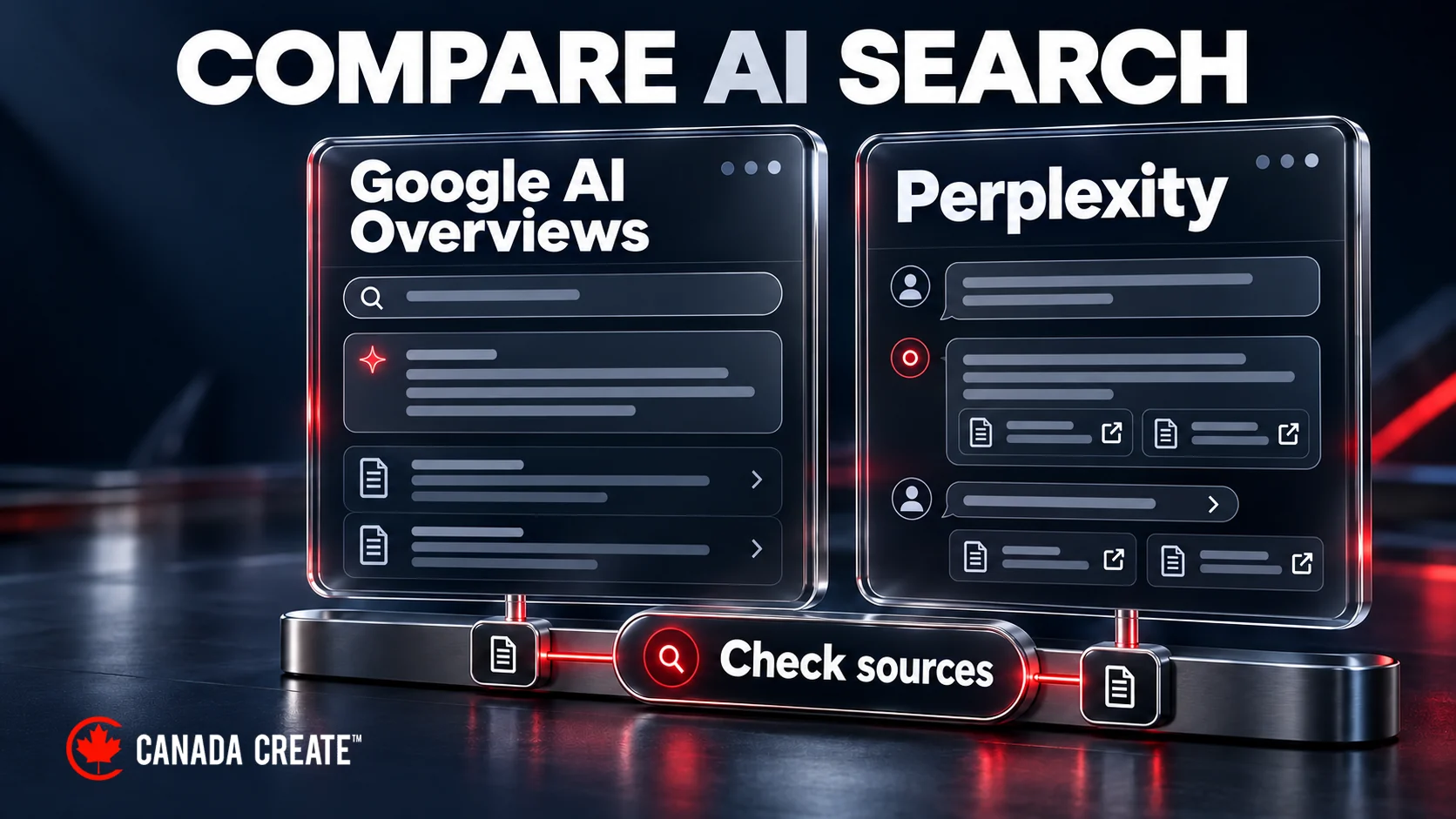
Google AI Overviews and Perplexity offer different research experiences, but total Google search volume does not establish the share of Canadian B2B research that uses AI Overviews. Perplexity offers cited, conversational answers that can support comparison work. Decide where to invest using your buyers’ needs, referral evidence and relevant query observations rather than assuming a fixed platform split by buying stage.
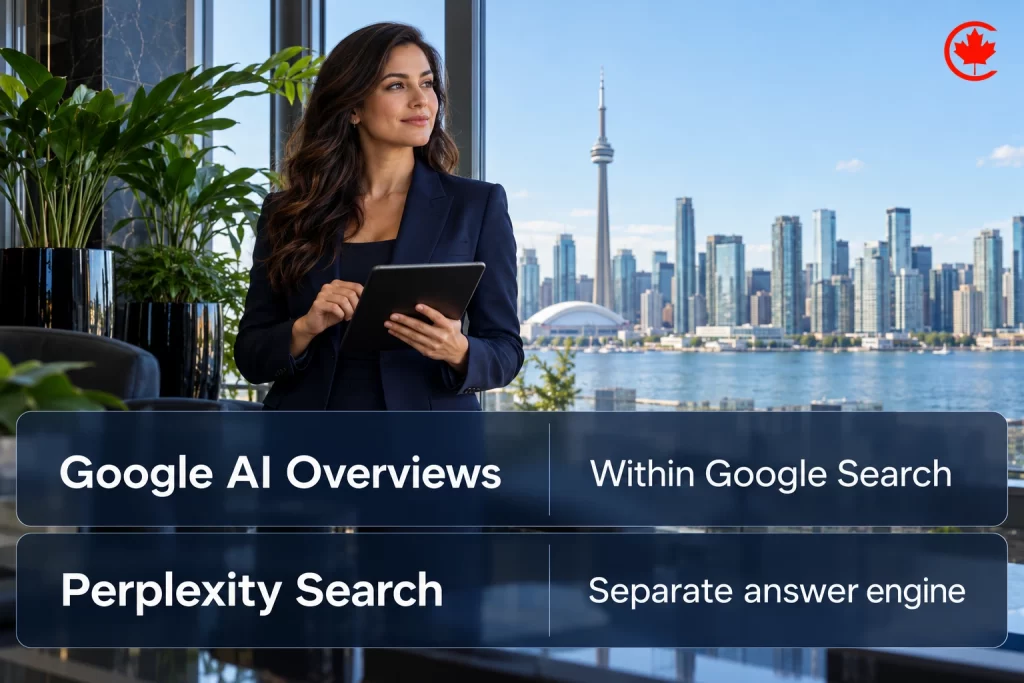
I have watched this exact question come up in nearly every 2026 budget planning conversation we have had with clients. Here is how we think about it.
How We Approach This Comparison at Canada Create
We evaluate this the same way we evaluate any channel allocation decision: where is the volume, where is the intent, and where is the citation opportunity actually achievable for a mid-sized Canadian B2B rather than a handful of dominant enterprise brands. Applied to Google AI Overviews versus Perplexity, those three factors produce a nuanced answer rather than a simple winner.
Side by Side: The Real Differences That Matter
| Dimension | Google AI Overviews | Perplexity |
|---|---|---|
| Search volume reach | An AI feature within Google Search; presence varies by query and context | A separate answer engine; assess relevant audience usage |
| Buyer intent stage | Can support different research tasks; inspect your queries | Can support comparisons and follow-up research; verify buyer usage |
| Citation visibility | Supporting links appear in the experience; presentation can vary | Numbered source citations support verification; citation clicks are not assured |
| Content to evaluate | Helpful, reliable content and established SEO practices | Clear explanations and verifiable sources suited to the question |
| Where B2B buyers use it | General research across the funnel | Vendor and tool comparisons are a relevant use case to investigate |
We help businesses show up in Google AI Overviews, ChatGPT and other answer engines.
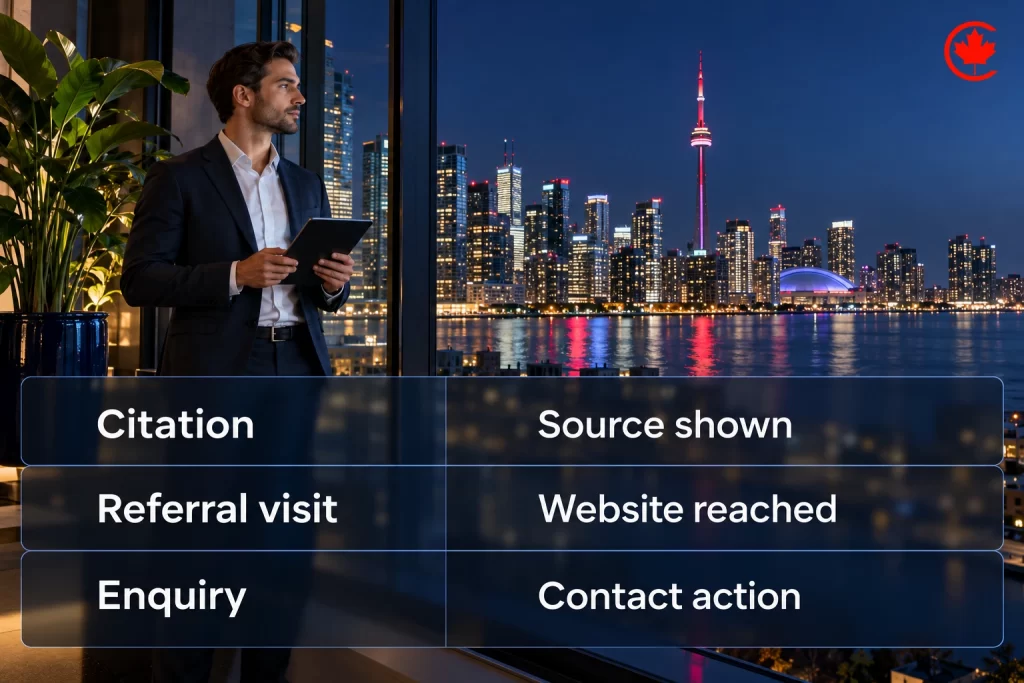
The plain-language read: visibility, citation and valuable visits are different measures. Check which relevant questions surface your content, whether people visit from those answers and what those visits contribute. A platform label alone does not establish purchase intent or value per visit.
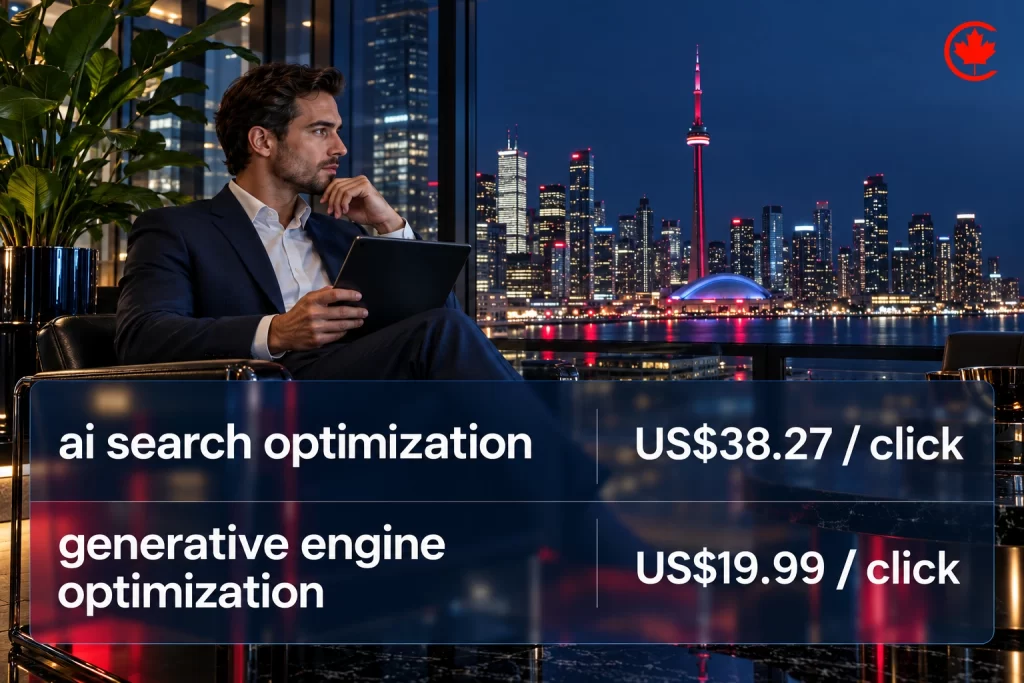
Where Google AI Overviews Win
Google AI Overviews are worth examining for category and definitional questions, such as “what is a headless CMS” or “how does a payment processor calculate fees,” when those questions matter to your buyers. Review actual results rather than assuming every query triggers an overview. Google’s current guidance recommends established SEO and useful content; it does not require special answer formatting or schema for generative AI visibility.
Where Perplexity Wins
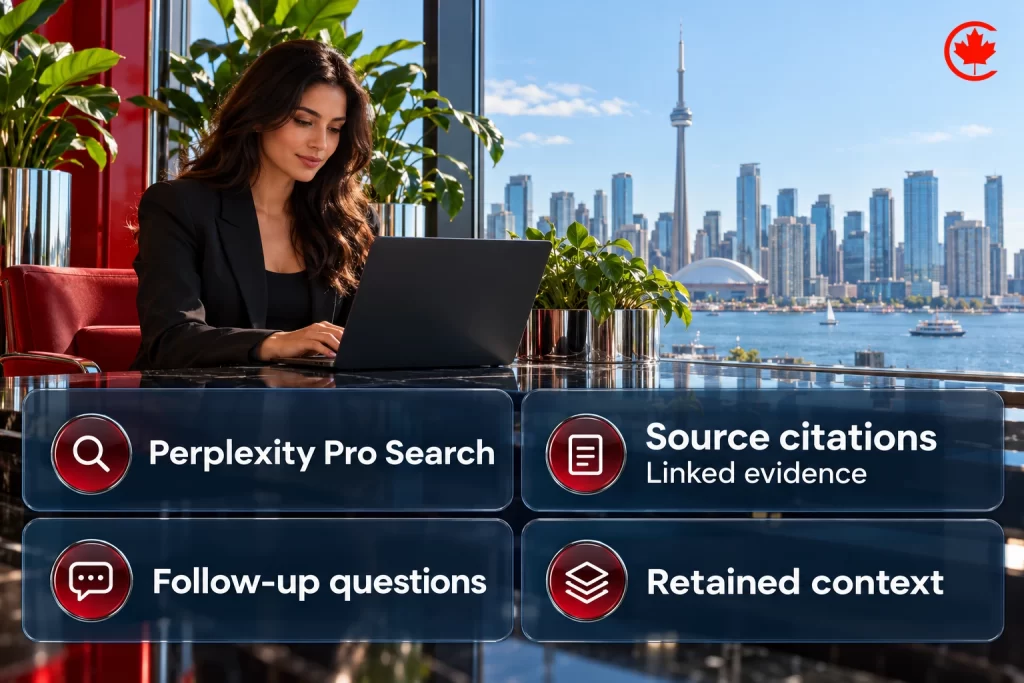
Perplexity can help a buyer compare options through sourced answers and follow-up questions. We have seen this pattern most clearly with clients selling considered-purchase services (agency selection, software vendor comparisons, professional service firm research) where the buyer is doing active diligence rather than casual browsing. Perplexity’s answer format links to sources, so give readers comparisons they can verify through clearly cited evidence.
The Mistake We See Most Often
The mistake we see most often in client planning conversations is treating this as an either/or budget allocation, moving spend entirely toward one platform because it is newer or feels more novel. That choice can neglect useful demand elsewhere. The two platforms need not occupy fixed funnel stages: compare your observed reach, relevant referrals and buyer feedback before reallocating resources.
Making the Final Call
Start with core content that helps buyers understand and compare your offering. Clear sourcing, useful comparison tables and precise descriptions can serve readers across platforms; prioritize work using your own demand and outcome evidence. For the fuller picture on how Canadian search behaviour has shifted overall, go back to The 2026 Canadian Search Behaviour Report, which discusses our Google Trends Canada and client observations. If you have not yet reviewed how AI Overviews specifically have changed click behaviour, our sibling post How Has Canadian Search Behaviour Changed Since AI Overviews Launched? is the right place to start.
Discuss whether Perplexity citation checks alongside traditional rank tracking belong in the agreed scope of our SEO services.
What This Means for Your Content Calendar
Plan around the reader’s task. A clear category explanation and a detailed comparison may serve different needs on either platform. Use sourced facts, helpful examples and an accessible technical implementation. Check which questions those pages answer well and whether their referrals contribute useful enquiries.
One practical shift we have made across client content calendars is writing the same core topic as two distinct pieces rather than one: a broad, definitional top-of-funnel piece aimed at category awareness and AI Overview citation, paired with a narrower, comparison-style piece aimed at the buyer who is actively evaluating named options and more likely to be using a tool like Perplexity to shortlist. Keep that two-piece approach only when the reader tasks are genuinely distinct; avoid duplicating content merely to target an assumed platform preference.
Not Sure Where Your Buyers Actually Research?
Canada Create can review the traffic, referral and search evidence available to your business before recommending a budget change. That evidence will not identify every buyer’s private research journey. Custom-scoped engagements; proposal after discovery.
Frequently asked questions
What are Google AI Overviews, and how do they differ from Perplexity?
AI Overviews are an AI feature inside Google Search that summarizes an answer above or among the regular results, and whether one appears varies by query and context. Perplexity is a separate answer engine that replies conversationally, with numbered source citations and room for follow-up questions. One sits inside the search engine most people already use, while the other is a destination a buyer chooses to visit.
Is Perplexity better than Google for B2B buyer research?
Neither wins outright, because they suit different research tasks. AI Overviews can show up for category and definitional questions, such as how a payment processor calculates fees. Perplexity lends itself to vendor and tool comparisons, where a buyer doing active diligence asks follow-up questions and checks the cited sources.
What advantage does Perplexity offer a B2B buyer comparing vendors?
Its answers link to numbered sources, so a buyer can verify claims and keep asking follow-up questions in one thread. That suits considered purchases such as agency selection, software comparisons and research into professional service firms. For a vendor, the opening is to publish comparisons readers can verify, backed by clearly cited evidence.
What are the drawbacks of Perplexity as a channel for B2B marketers?
Being cited does not mean being clicked, since a buyer may read the answer and never visit the source. Perplexity is also a separate engine, so you need evidence that your own buyers use it before shifting effort toward it. Treat visibility, citation and valuable visits as three different measures and check each one.
Can B2B buyers rely on Google AI Overviews being accurate?
Google notes that AI Overviews can make mistakes, which is why each one shows supporting links that let a reader check the answer. For B2B buyers, the summary is a starting point and the linked pages carry the detail. For marketers, that is a reason to publish precise, sourced explanations that hold up when someone clicks through.
How can a Canadian B2B company appear in Google AI Overviews?
Google's current guidance points to established SEO practices and useful content, with no special answer formatting or schema required for its generative AI features. Clear explanations of category questions your buyers actually ask give you solid footing. Review real results for those queries, since not every search produces an overview.
Should a Canadian B2B company move its budget from Google to Perplexity?
Moving everything to one platform because it feels newer is a common planning mistake. The two do not occupy fixed stages of the buying journey, and neglecting one can leave useful demand untouched. Compare observed reach, referrals from each platform and feedback from buyers before reallocating anything.
How should B2B content be planned for both AI Overviews and Perplexity?
Plan around the reader's task. One approach is to write a core topic as two pieces: a broad explainer aimed at category awareness, and a narrower comparison for buyers evaluating named options. Only split a topic when the reader tasks are genuinely distinct, since duplicating content to chase an assumed platform preference adds little.
How can a business measure its visibility in Google AI Overviews?
Start by checking which relevant questions surface your pages and whether people visit from those answers. Then look at what those visits contribute, such as useful enquiries, since a citation alone says little about purchase intent. Citation checks in Perplexity can sit alongside traditional rank tracking for a fuller picture.