
15 Useful Ways to Deal with Creative Blockage
Jack White, an American musician, once said, “Inspiration and work ethic ride right next to each other.” Unfortunately, as a creative professional, no matter how motivated you are or how hard you work, you may experience what we call a “creative block” from time to time. Defined by GoodTherapy as the incapability to access one’s creative abilities or an “inspiration blockage,” this can happen anytime and to everybody, and it can be frustrating, especially to those whose professions are in the creative field.
Creative blocks can have different causes. An unclear brief, competing deadlines, fatigue, self-doubt or a distracting workspace can make it harder to develop ideas. Start by looking at what has changed in the project or your routine, then try an adjustment that addresses that obstacle.
This blog will dive into the world of creativity, creative blocks, their symptoms, and how to get rid of creativity blocks.

What is Creative Blockage?
A creative blockage is a period when someone finds it difficult to generate ideas or move a piece of work forward. Stress, exhaustion, self-doubt, unclear direction, and an excessive workload are common causes. Finding ways to get through creative blockage is critical because it can result in feelings of annoyance, worry, and even sadness.
Creative Block Psychology
The psychology of creative blocks is the study of the psychological causes of these blocks. It looks at how emotions, beliefs, and behaviours can impact a person’s capacity for creativity.
Fear is one of the key psychological elements that could impede creativity. A person can avoid taking chances and trying new things out of fear of failure, fear of criticism, and worry of not being good enough. Additionally, these anxieties and fears might lead to self-doubt, making it challenging to develop original ideas.
Perfectionism is another psychological factor that can block creative flow. When someone aspires for perfection, they could become overly preoccupied with the tiny details and miss the big picture. This can result in analysis paralysis and overthinking, where a person gets stuck in a circle of indecision.
Lastly, unfavourable thoughts and beliefs about oneself might hinder creativity. For example, a person may experience discouragement and lack of confidence to try new activities if they have negative beliefs about themselves or their talents. This could result in a self-fulfilling prophecy, where the idea that they lack creativity shows itself in reality.
Creative Block Symptoms
Although the signs of the creative block might differ from person to person, some typical ones are as follows:
- Self-doubt
- Lack of motivation
- Perfectionism
- A problem coming up with fresh ideas
- Feeling stuck on a specific project
- Procrastination
- Overthinking
If these patterns are getting in the way of your work, pause and look for the project conditions you can change. Persistent distress or difficulty with everyday activities deserves support beyond a creativity exercise.
Types of Creative Blocks
Creative blocks can come in a variety of forms:
- Mental blocks. This blockage occurs when you cannot develop fresh ideas or become stuck in a particular frame of mind. You can think that you’re frozen and that nothing you think has any value.
- Emotional blocks. These blockages appear when you experience emotional difficulties like fear, anxiety, tension, or sadness. These unpleasant feelings may impact your capacity for original thought.
- Physical blocks. These barriers appear when you’re exhausted, ill, or physically uncomfortable. Your focus and concentration may be affected by this form of restriction, which makes it challenging to think creatively.
- Environmental blocks. This kind of barrier happens when you’re in an environment that doesn’t encourage creativity. A lack of space or resources, as well as distractions or noisy surroundings, may be examples.
- Skill blocks. When you doubt your abilities or understanding to come up with anything new, obstacles like this appear. You can feel underpowered or unsure of your skills as a result.
How to Overcome Creative Blocks? 15 Useful Ways
If you are wondering what to do when your creativity feels blocked, start with one small change. These 15 approaches offer practical ways to reset a project, find fresh input and make progress. When a deadline cannot wait for the block to pass, a graphic design company can take on the brief.
Take a Break
When you find yourself having problems coming up with ideas, taking a break from your work can help you to clear your mind and return with fresh ideas. To distract yourself from work, you can go for a walk, practice meditation, or engage in another activity you enjoy. A minor change in scenery can occasionally have a significant impact.
Play around with New Techniques
Trying out fresh techniques can help you get through your creativity blockage. Some examples are working with new people, experimenting with a new style, or even trying a fresh approach to your work. You can develop fresh perspectives and ideas by using these fresh experiences.
Work with Others
Working with others can be a great approach to getting over a creative block. Working with other creative people can motivate you and stimulate your mind. You can collaborate on a project, have a brainstorming session, or just talk about ideas with one another. Working together can produce a powerful synergy that can help you rediscover your creative side.
Develop Mindfulness
A short mindfulness exercise may help you settle your attention before returning to a task. Research on meditation and mindfulness suggests potential benefits for stress. Results vary; use it as one option alongside changes to the brief or routine.
Set Realistic Goals
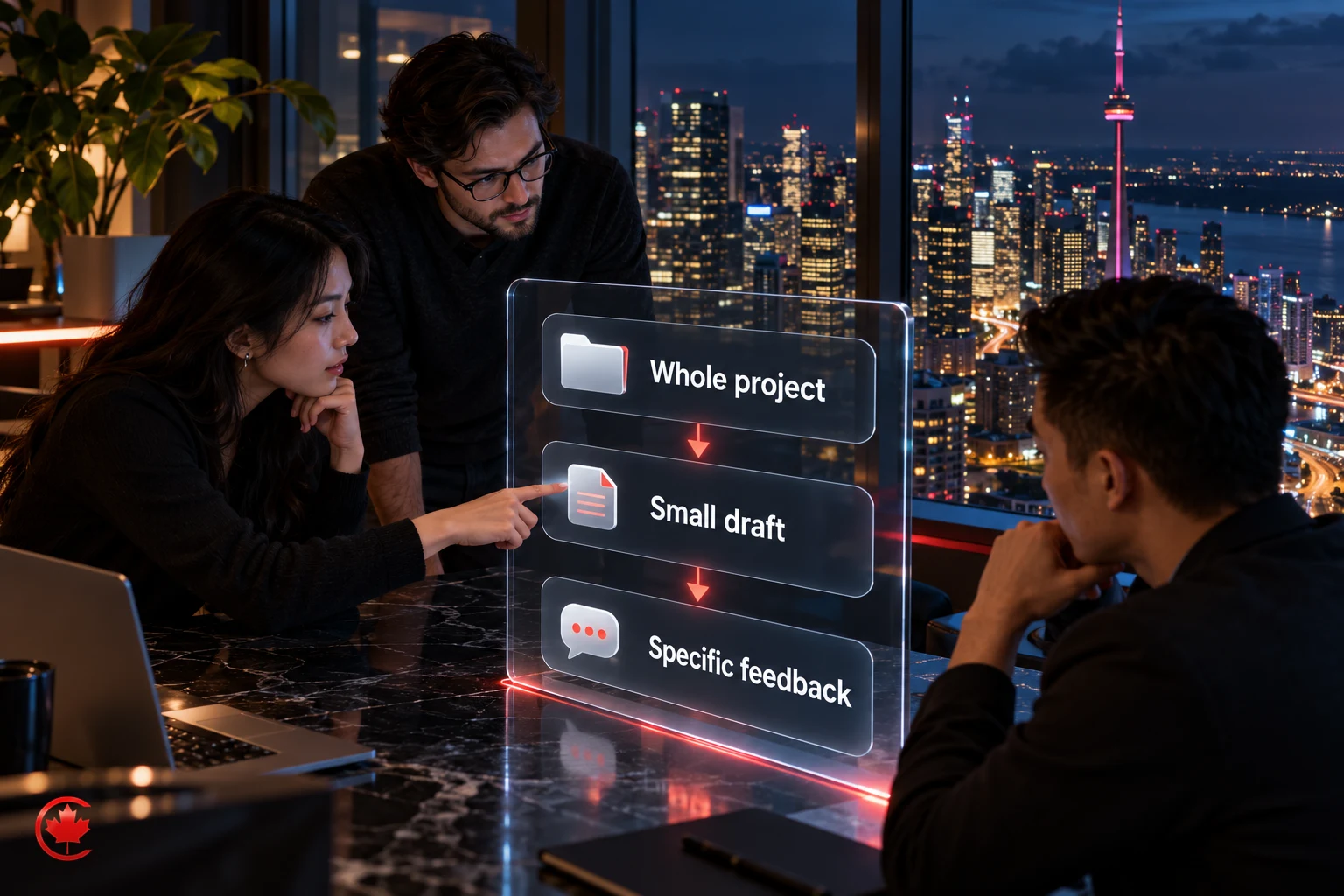
You can deal with a creativity block by setting realistic goals for your job. You can reduce your project’s overwhelming nature and improve your ability to concentrate by breaking it down into more manageable, attainable goals. Celebrating minor victories might help you stay motivated and keep going.
Our designers create graphics, campaigns and brand assets for Canadian businesses.
Get Motivated
It’s important to actively look for inspiration because it can come from any place. It might come from works by other artists, literature, motion pictures, music, or even nature. It can be helpful to surround yourself with things that inspire you to overcome a creativity block and develop new ideas.
Accept Imperfections
Perfectionism can seriously restrict your ability to be creative. Remember that not everything has to be flawless. You can overcome self-doubt and come up with fresh ideas by recognizing imperfection and that mistakes are necessary during the creative process.

Get Feedback
Asking for feedback about your work can be an effective strategy for breaking through creative blocks. It can give you perspective to see your work, point out areas for development, and spark creative inspiration. In addition, you can join online forums that offer constructive criticism or ask trusted friends or coworkers for their opinions.
Change the Environment
A change of scenery and environment can occasionally be useful when dealing with a creative barrier. You can change where you work, move to a different room, or even visit a new place, like a park or coffee shop. Your senses can be stimulated, and new thoughts might be sparked by altering your environment.
Take Chances
Although taking chances and leaving your comfort zone can be frightening, doing so can be a terrific approach to unlocking your creative potential. Even if it’s unorthodox, trying something new might inspire new thoughts and give you a fresh outlook on your work.
Practice Self-Care
Being creative requires taking care of yourself. Prepare a healthy diet, get enough sleep, and take care of your emotional well-being. Additionally, you can engage in self-care practices like writing, taking a calming bath, or rewarding yourself with something you appreciate. By taking care of yourself, you might feel renewed and more creative.
Research and Read
Reading and research are both great ways to overcome a creativity blockage. You can read books, articles, or blogs in your line of work or even something completely unrelated. In addition, you can learn new things and get ideas by researching new subjects.
Embrace Restrictions
Restrictions can promote creativity. Accepting limitations such as time, finances, or even creative restrictions might push you to come up with fresh ideas. You can focus better and be more creative when you are under limitations.
Keep a Creative Journal
Keeping a creative journal is a fantastic approach to dealing with creativity blocks. For example, you might write thoughts, drawings, or motivational sayings. You may better organize your thoughts and ideas by keeping a creative diary, which can also act as inspiration.
Celebrate Your Successes
No matter how tiny they may be, it’s important to acknowledge and appreciate your accomplishments. Celebrating your victories can inspire you, increase your self-esteem, and constantly remind you that you’re moving forward. No matter how minor, acknowledge your successes and use them to motivate yourself to keep moving forward.

Creative blockage can be frustrating. A clearer brief, a manageable next step, fresh input or time away from the task can help you find a way forward. Try one approach, notice what changes and keep the methods that work for your process.
If you need help from creative professionals with your projects, you can contact us here! Canada Create can help you with your digital marketing and web development needs.
Frequently asked questions
Why do I feel so creatively blocked on a project?
Creative block usually follows something concrete, such as an unclear brief, competing deadlines, fatigue, self-doubt or a distracting workspace. Look first at what has changed in the project or your routine. Then try one adjustment aimed at that obstacle, like asking for a clearer brief or moving to a quieter room. Keep whatever helps.
What kinds of blocks to creativity do people run into?
Mental blocks leave you stuck in one frame of mind, unable to find fresh ideas. Emotional blocks come from fear, anxiety, tension or sadness, while physical blocks come from exhaustion, illness or discomfort. Environmental blocks arise from noise, distractions or a lack of space and resources. Skill blocks appear when you doubt your own abilities.
What causes creative block on the psychological side?
Fear is a major factor, including fear of failure, of criticism or of not being good enough, which keeps people from trying new things. Perfectionism can pull attention into tiny details until overthinking turns into indecision. Negative beliefs about your own talent can also become self-fulfilling. Accepting that mistakes are part of the process loosens all three.
What are some creative ways to solve a problem when a design project stalls?
Bring other people in through a brainstorming session or a quick talk about ideas, since collaboration often restarts thinking. Try a technique or style you have not used before. Treat limits on time, budget or format as a puzzle that narrows the options. Break the work into smaller goals so the next step feels manageable.
How do you overcome writer's block when content is due?
Set a small, realistic target, such as one section, instead of facing the whole piece at once. Read books, articles or blogs in your field or on something unrelated to pick up new angles. Keep a creative journal of thoughts and phrases so ideas are waiting when you sit down. Accept a rough first draft, because perfectionism is a common cause of the stall.
How can a designer overcome art block?
Look for inspiration in other artists' work, films, music, literature or nature. Change where you work, even if it is just a different room, a park or a coffee shop. Ask trusted colleagues or an online forum for honest feedback to see the work from a new angle. Taking a short break and coming back often helps more than forcing it.
Is artist block linked to depression?
Creative block can come with low mood, anxiety or sadness, and those feelings can make original thinking harder. Short-term frustration on a project is common and often eases with a break, a clearer brief or fresh input. Persistent distress or trouble with everyday activities is different and deserves support beyond a creativity exercise. A doctor or mental health professional is the right person to talk to in that case.
What art block ideas help with client design work?
Restate the brief in your own words to find gaps that may be slowing you down. Set a tight limit, such as using only two colours or one typeface, to force fresh choices. Sketch several rough options quickly without judging them. Celebrate each small finished piece so momentum builds.