
Med spa advertising rules in Canada: Botox, fillers and what you can say
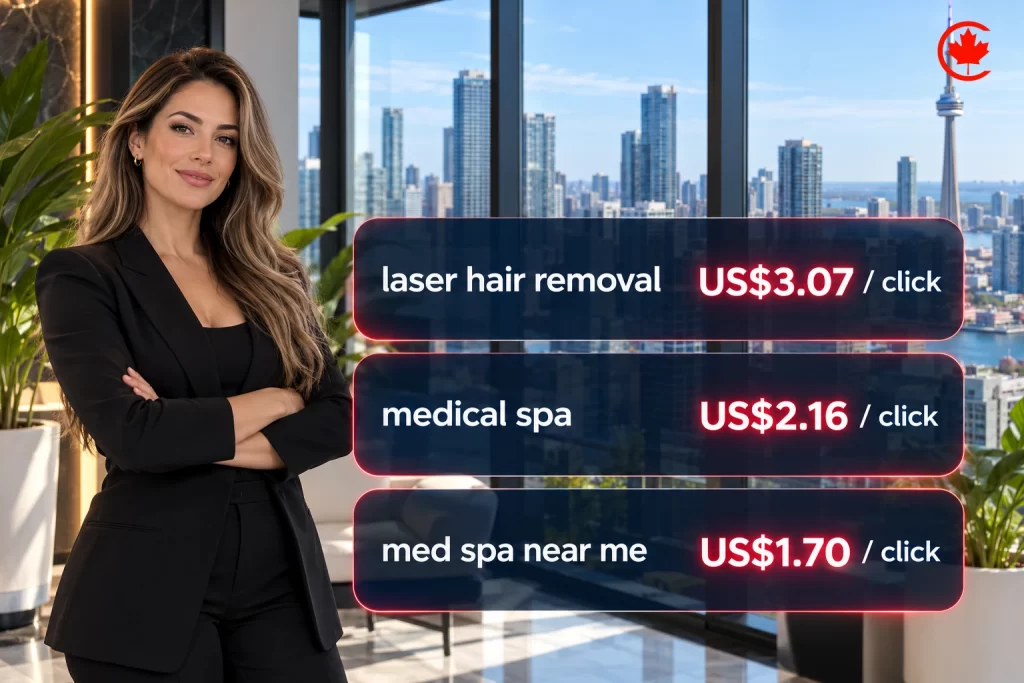
Med spas sit where health care, cosmetics and retail meet, which makes their advertising rules some of the most misunderstood in Canada. A post that would be fine for a facial can break federal rules when it is about Botox. In Canada, “med spa near me” and “lip filler near me” each draw an estimated 4,400 searches a month, and “laser hair removal near me” about 14,800. These are search estimates, not counts of people, patients or bookings. This guide explains what med spas can and cannot say, treatment by treatment, so your marketing grows the business without inviting complaints.
Botox and other prescription drugs
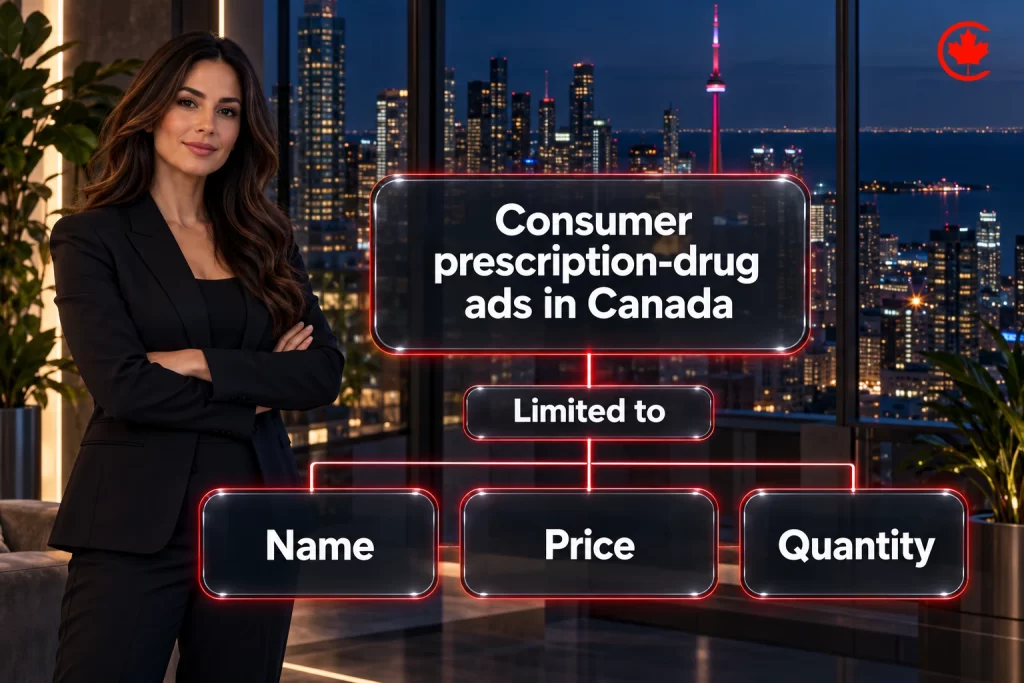
Botulinum toxin products are prescription drugs in Canada. Health Canada allows prescription drugs to be advertised to the public only by name, price and quantity. Health Canada has specifically said that promoting such products through procedure videos, before and after pictures or testimonials about effectiveness goes beyond what is allowed (see Health Canada’s page on illegal marketing of prescription drugs).
| Likely a problem | Safer alternative |
|---|---|
| “Botox erases wrinkles in 7 days” | Describe the clinic consultation without promoting a prescription product or its benefits |
| Before and after photos of Botox results | Photos of the clinic, team and consultation process |
| Client videos praising Botox results | Educational content about what a consultation involves |
| “Botox for migraines” in public ads | Keep therapeutic uses within the patient consultation |
| Brand name plus benefits in social posts | Name, price and quantity only, if you advertise the product at all |
We market med spas and aesthetic clinics within Health Canada and college advertising rules.
Clinic-service advertising still needs a review of its overall message. Leaving out a drug name does not automatically make a promotion acceptable if images, wording or context indirectly promote a prescription product or its benefits.
Dermal fillers, lasers and devices
Most dermal fillers, lasers and energy based devices are regulated as medical devices rather than drugs, and device advertising follows different rules. In general, claims must stay within what the device is licensed for and must not be misleading. Before you publish claims for a specific product, check its licensed indications and your college’s rules.
Who performs the treatment matters
Many med spa treatments involve controlled acts that only certain regulated professionals can perform or delegate, and the rules vary by province. Your marketing should name who performs each treatment, with their designation, and should never suggest that someone holds a qualification they do not have. Patients increasingly check, and it is a strong trust signal when done well.
College rules still apply
Physicians, nurses, dentists and other regulated professionals who work in or own med spas are bound by their own college’s advertising rules, which often restrict testimonials, superiority claims, offers and before and after photos. Read our broader guide to healthcare advertising rules in Canada.
Offers, memberships and pricing
- Price claims must be complete and accurate, including any consultation fees or conditions.
- “From” pricing should describe a genuinely available offer and clearly state what is included, the qualifying conditions and any mandatory charges.
- Promotions on prescription drug treatments are especially risky, because they go beyond name, price and quantity once they add claims.
- Membership terms, renewals and cancellation rules should be clear before purchase. Hidden fees can breach the Competition Act’s rules on drip pricing.
Social media and influencers
- Influencer and partner posts must clearly disclose the relationship under the Competition Bureau’s guidance.
- Influencer content about prescription drug treatments carries the same Health Canada limits as your own ads.
- Reposting client content about results can count as a testimonial in your advertising.
Google and Meta ads
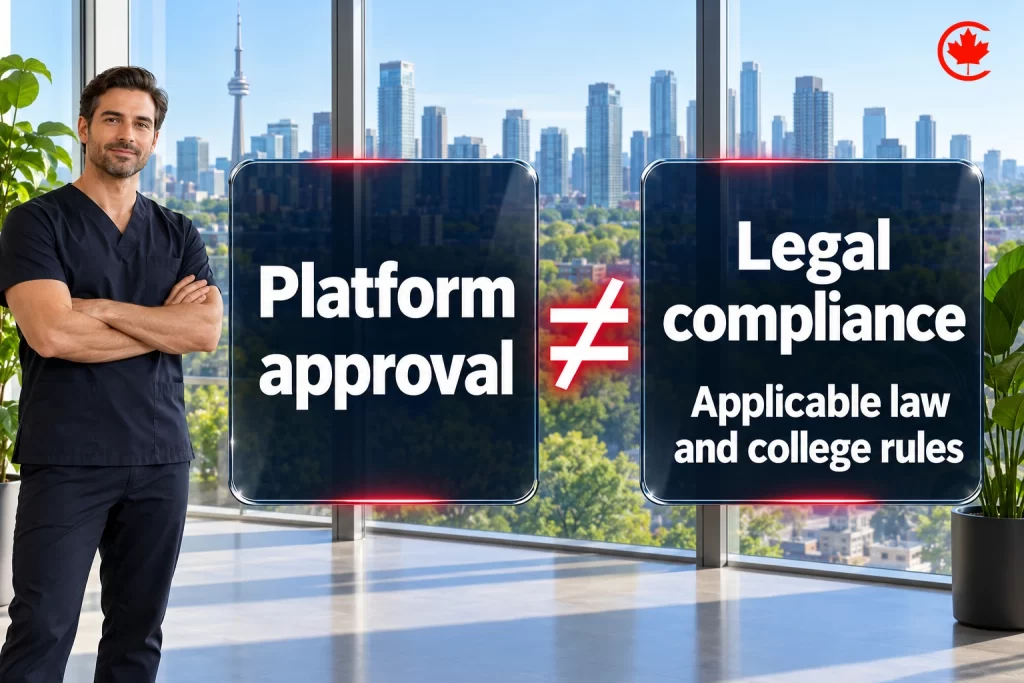
Google restricts prescription drug advertising and has rules on cosmetic procedures. Meta restricts some before and after imagery and health related targeting. Clinic and consultation ads are a useful starting point, but the complete ad and destination still need to meet platform policies and applicable professional rules. Approval is not assured.
What you can explain clearly in clinic marketing
- Your team, their credentials and training.
- The consultation process, safety standards and aftercare.
- Your clinic environment, hygiene and equipment.
- Non drug treatments within their licensed indications.
- Education about skin health, written carefully.
- Local SEO: a complete Google Business Profile, service pages and genuine reviews where your professional rules allow.
A quick pre publish checklist
- Does the content mention a prescription drug? If so, is it limited to name, price and quantity?
- Are there before and after images? Are they allowed for this treatment and by the relevant college?
- Is every claim within the product’s licensed use?
- Is it clear who performs the treatment?
- Are prices and memberships complete?
- Are partnerships disclosed?
We build med spa marketing around these rules. See our med spa marketing service, or read the clinic marketing guide.
Frequently asked questions
Can a med spa legally advertise Botox in Canada?
Only in a very narrow way. Botulinum toxin products are prescription drugs, and Health Canada limits public advertising of a prescription drug to its name, price and quantity. Procedure videos, before and after pictures and testimonials about results go beyond that, so keep therapeutic and cosmetic benefits inside the patient consultation.
What are examples of med spa ads that break Canadian rules?
A headline promising that Botox erases wrinkles, before and after photos of Botox results and client videos praising injections all promote a prescription drug's benefits. Mentioning Botox for migraines in public ads is another problem. Dropping the drug name does not fix a promotion whose images or wording still point to the product.
How can a med spa promote itself within the advertising rules?
Focus on what you can say plainly: your team and their training, the consultation process, safety standards, aftercare and the clinic itself. Non-drug treatments can be promoted within their licensed indications, and careful skin health education builds trust. A fully filled-out Google Business Profile, clear treatment pages and genuine reviews, where your professional rules allow them, support local search.
Can a med spa advertise dermal fillers and laser treatments?
Generally yes, because most fillers, lasers and energy-based devices are regulated as medical devices rather than drugs, which follow different advertising rules. Claims must stay within what the device is licensed for and must not mislead. Check the product's licensed indications and your college's rules before publishing.
Do Health Canada's drug ad limits apply to med spa influencer posts?
Yes. Influencer content about prescription drug treatments carries the same limits as the clinic's own ads, and paid or gifted partnerships must be clearly disclosed under Competition Bureau guidance. Reposting a client's post about their results can also count as a testimonial in your advertising.
What pricing rules apply to med spa offers and memberships?
Price claims must be complete and accurate, including consultation fees and conditions, and from-pricing must describe an offer that is genuinely available. Hidden mandatory fees can breach the Competition Act's drip pricing rules. Membership renewals and cancellation terms should be clear before a client pays, and promotions on prescription drug treatments are especially risky.
What is a med spa, and why are its advertising rules so strict?
A med spa sits where health care, cosmetics and retail meet, offering treatments that can involve prescription drugs, medical devices and regulated professionals. A post that is fine for a facial can break federal rules when it is about Botox. Physicians, nurses and other professionals working there are also bound by their own college's advertising rules.
Can a med spa run cosmetic treatment ads on Google and Meta?
Clinic and consultation ads are a reasonable starting point, but approval is not assured. Google restricts prescription drug advertising and has rules on cosmetic procedures, and Meta restricts some before and after imagery and health-related targeting. The full ad and its landing page also have to meet your professional rules.
Should med spa marketing say who performs each treatment?
It should name the person and their designation for every treatment. Many procedures involve controlled acts that only certain regulated professionals can perform or delegate, and the rules vary by province. Never suggest someone holds a qualification they lack, since patients increasingly check.