
Google Ads vs Meta Ads: Where Does a Canadian SMB Get More for Its Budget?
Google Search ads can reach people looking for a relevant product or service. Meta ads can introduce an offer through visual placements and optimize delivery towards a selected objective. For a Canadian SMB, the budget decision should follow audience fit, qualified outcomes and the creative resources available, rather than a presumed platform winner.
Our Google Ads cost breakdown explains the factors behind a campaign budget. This guide takes the next step: how to compare Google Search and Meta for your audience, offer and sales process.
For paid social run alongside search, see our social media advertising in Toronto.
How we approach this comparison at Canada Create
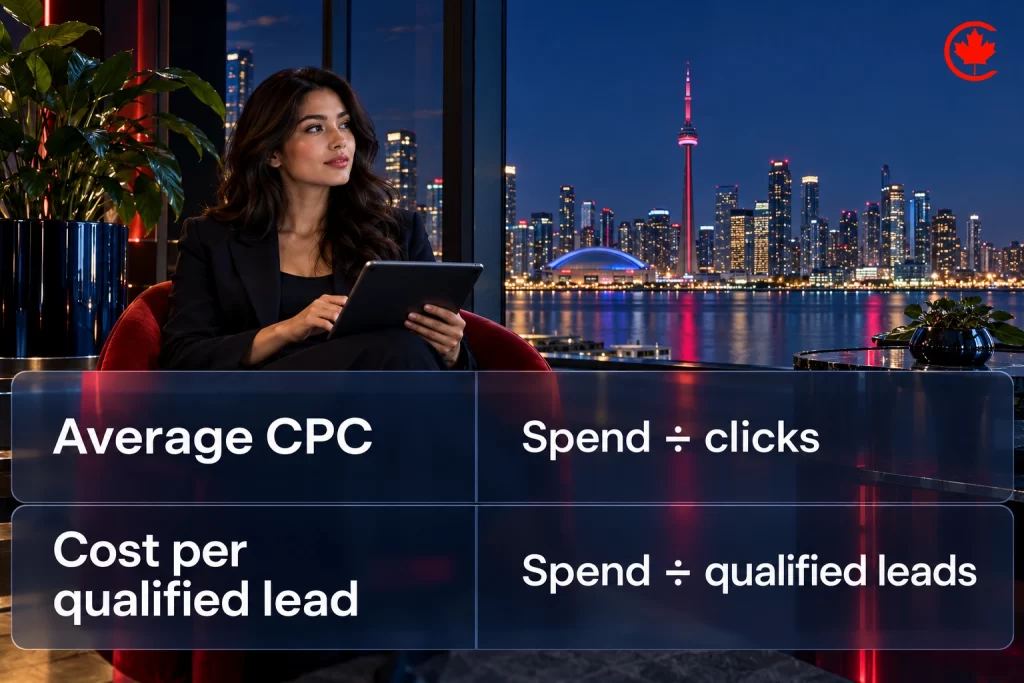
Compare four things before splitting the budget: cost per qualified lead, sales cycle length, existing search demand and creative production capacity. Use the same qualification standard on both platforms. Check how long enquiries take to become sales, whether relevant searches exist and whether your team can produce and test the assets each campaign needs. A platform label does not establish purchase readiness or a fixed creative refresh schedule.
Set a test objective and a spending limit before choosing platforms. Define which result counts as a qualified enquiry and who will record the outcome after the form fill or phone call.
Side by side: the real differences that matter
| Dimension | Google Ads | Meta Ads |
|---|---|---|
| Audience starting point | Relevant searches for Search campaigns | Audience and delivery signals tied to the selected objective |
| Cost per click | Measure for the actual campaign, location and period | Measure for the actual campaign, location and period |
| Time needed to evaluate | Depends on conversion volume and sales delay | Depends on conversion volume, sales delay and creative testing |
| Reason to test | Relevant demand that customers already express in searches | An offer that can be explained through the available visual formats |
| Creative requirements | Search copy, relevant assets and a suitable landing page | Placement-appropriate images or video, copy and a suitable response route |
We build and run Google Ads campaigns measured on calls, forms and booked jobs, not clicks.
Compare cost per qualified enquiry and sale alongside click cost. Neither a lower CPC nor a larger lead count establishes better return if the enquiries do not fit the business. Keep geography, conversion definitions, currency and reporting periods consistent.
Where Google Search fits best
Consider a Search test when customers already search for the service and the business can respond to their needs. Google’s Search campaign guidance explains keyword targeting and conversion goals. Review relevant queries, service areas and landing pages alongside our Google Ads cost guide; then assess actual qualified enquiries rather than assuming that a search term will lead to a booking.
Where Meta fits best
Consider a Meta test when showing the product or explaining the offer is central to the decision. Match the message, format and response route to the objective, then compare creative versions against qualified outcomes. A visually distinctive offer is a reason to test a format, not evidence that it will beat Search on acquisition cost.
How to set up a fair test between the two platforms
A comparison is only useful when both platforms are measured the same way. Before launch, agree on these points:
- One definition of a qualified enquiry. Write down what counts, such as a caller in your service area asking about a service you offer, and apply it to both platforms.
- Tracking on every route. Track form fills, calls and booking requests from each platform. Tag your links with campaign parameters so analytics and your CRM show where each enquiry came from.
- The same landing page standard. If one platform sends traffic to a slow or generic page and the other to a focused page, you are testing pages, not platforms.
- The same time window. Run both tests over the same weeks so holidays, weather and news affect them equally.
- A review date. Pick the date you will judge results before you start, so early swings do not push you into changes too soon.
What each platform needs before launch
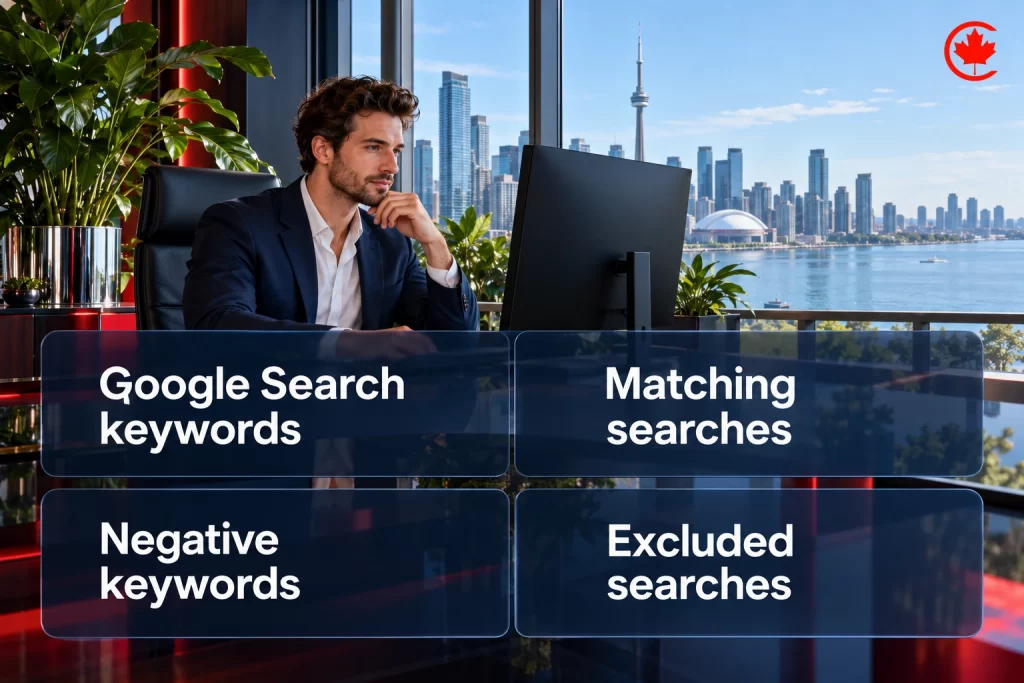
Google Search campaigns need a keyword list grouped by service, negative keywords to filter out job seekers and do it yourself searches, location settings that target people in or regularly in your service area, call and location assets where they apply, and conversion tracking for calls and forms. Your landing page should answer the exact search with clear service details and an easy way to make contact.

Meta campaigns need several creative versions, such as a short video, a photo of real work and a simple graphic that states the offer, because creative drives much of the result. They also need the Meta Pixel and, where appropriate, the Conversions API, set up after reviewing consent and privacy obligations. Decide whether to use an instant lead form, which is quick to fill in but can bring less committed enquiries, or a landing page, which asks more of the visitor but often brings stronger intent. Follow up on Meta leads quickly, since many people submit a form while scrolling and forget about it soon after.
The mistake we see most often
Splitting a small test across too many campaigns can leave too little evidence to judge any one of them. Start with the clearest audience-and-offer fit if the budget cannot support a useful comparison. If testing both, set the qualification standard, spending limits and review point in advance. Add budget only when observed outcomes justify the next step.
Testing one platform at a time or both together
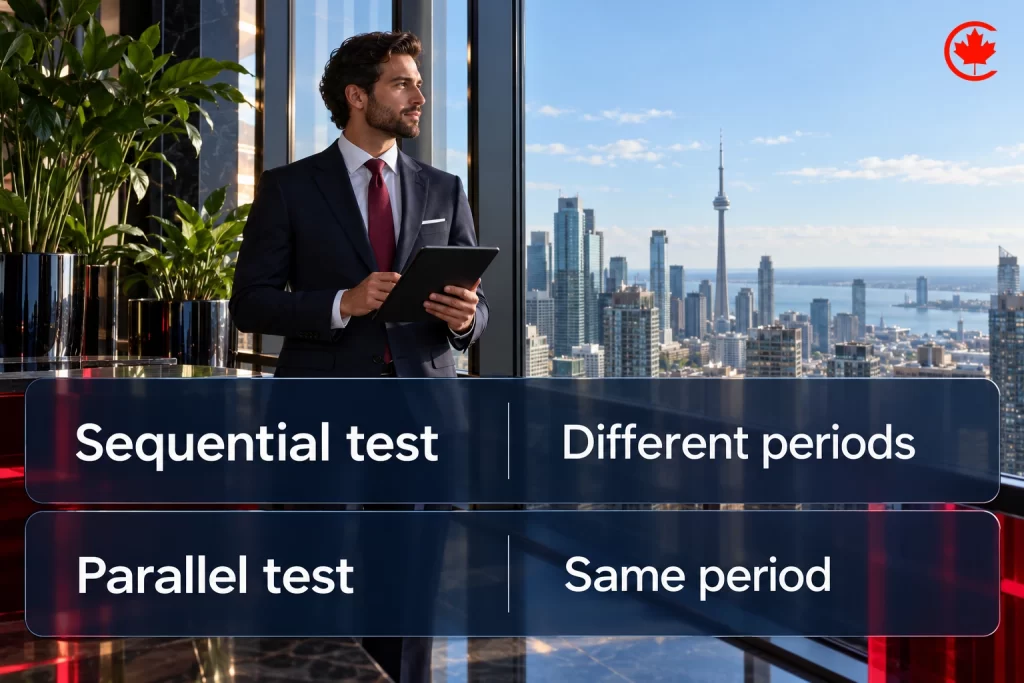
A small budget can be tested in two ways. A sequential test runs one platform first, then the other, which keeps each budget large enough to learn from but exposes the results to seasonal changes between the two periods. A parallel test runs both at once, which controls for timing but splits the money, so each platform may gather too few enquiries to judge. If your budget is tight, a sequential test that starts with the platform closest to existing demand is often the more practical choice. If you have enough volume for both, a parallel test gives a cleaner comparison.
Signs it is time to shift budget
Once both tests have run long enough to produce real enquiries, a few signals tell you where the next dollar should go:
- Cost per qualified enquiry: the clearest signal. Compare it on both platforms using the same definition and the same period.
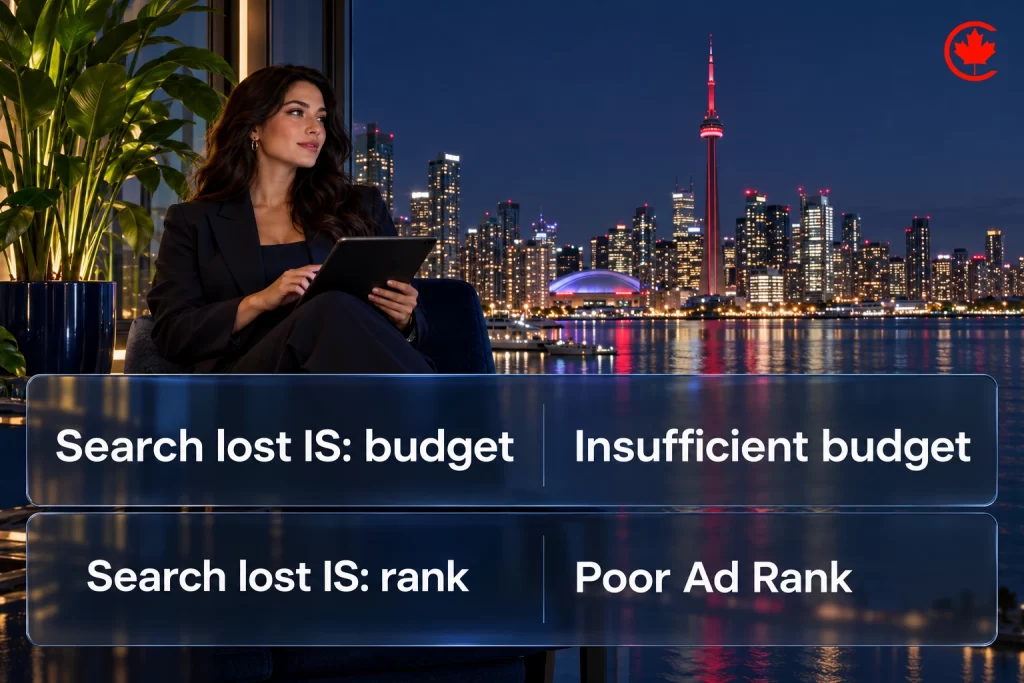
- Search impression share lost to budget: if Google reports that your ads miss many relevant searches because the budget runs out, there may be room to grow Search before adding a new channel.
- Rising frequency on Meta: when the same people see your ads again and again while results fall, the audience or creative is tired. Refresh the creative before you decide the platform has stopped working.
- Sales feedback: if your team says enquiries from one platform rarely become customers, weigh that over a low cost per lead.
- Seasonality: some services see search demand rise and fall through the year. Compare like periods before you move money.
Shift budget in steps rather than all at once, and keep a written note of each change so you can tell what caused the next result.
Making the final call
Use How Much Does Google Ads Cost to review budgeting factors, then check forecasts and actual campaign results for your category. Make the allocation decision from qualified outcomes and the resources needed to produce them.
Canada Create can help build a paid media testing plan around your category, budget and qualification process. Discuss the audience, creative requirements and measurement setup before committing the next campaign budget.
Frequently asked questions
Is Google Ads or Meta Ads better for a Canadian small business budget?
Neither wins by default, so let audience fit, qualified outcomes and your creative resources decide. Google Search suits services people already search for, while Meta suits offers where seeing the product or hearing the explanation drives the decision. Set a test objective and a spending limit before you pick either one.
When do Meta ads really pay off for a small Canadian company?
They earn a test when showing the product or explaining the offer is central to the buying decision. You will need several creative versions, such as a short video, a photo of real work and a simple offer graphic, plus the Meta Pixel set up after a consent review. A visually striking offer justifies testing a format, but it does not prove Meta will beat Search on acquisition cost.
Why do Meta ads fail for small businesses?
Common causes include too few creative versions, slow follow-up on instant form leads and a small budget split across too many campaigns. When the same people see an ad again and again while results fall, the creative or audience is tired and needs refreshing. Sending traffic to a slow or generic page can also sink a campaign that would otherwise work.
Is $500 enough to test Facebook ads against Google Ads?
That depends on whether the money can produce enough enquiries on each platform to judge. With a tight budget, a sequential test that starts with the platform closest to existing demand is often more practical than splitting it in two. Running both at once controls for timing but may leave each with too few results.
How should a small business compare Google Ads and Meta ads costs?
Look at cost per qualified enquiry and per sale alongside click cost. A lower CPC or a bigger lead count does not mean a better return if the enquiries do not fit the business. Keep geography, conversion definitions, currency and reporting periods the same on both platforms.
How do you set up a fair test of Google Ads versus Meta ads?
Write one definition of a qualified enquiry and apply it to both platforms. Track forms, calls and booking requests from each, with campaign parameters on links so analytics and your CRM show the source. Hold landing pages to the same standard, run both over the same weeks and pick the review date before launch.
Should a Shopify store choose Google Ads or Facebook ads?
Use the same test a service business would. Search makes sense when shoppers already search for what you sell, and Meta when seeing the product is central to the purchase. Track purchases from each platform the same way and compare cost per sale, not cost per click.
When should a small business shift budget between Google Ads and Meta?
Watch cost per qualified enquiry first, measured the same way on both. If Google reports your ads missing many searches because the budget runs out, Search may have room to grow. Weigh sales feedback over a low cost per lead and compare like seasons. Move money in steps and note each change.
What does a Google Search campaign need before it runs for a small business?
It needs keywords grouped by service, negative keywords that filter out job seekers and do-it-yourself searches, and location settings for people in or regularly in your service area. Add call and location assets where they apply, and set up conversion tracking for calls and forms. The landing page should answer the exact search and make contact easy.