
How to market a wedding venue: book more tours and fill the calendar

Wedding venues have an unusual sales cycle. Couples often book 12 to 24 months ahead, they visit several places before deciding, and the booking is one of the largest purchases of their wedding. Most venues have a handful of prime dates that sell themselves and many more that do not. Marketing a wedding venue well means being visible during the long research phase, making the tour irresistible and filling the dates that would otherwise sit empty. This guide walks through how to do it.
It applies to banquet halls, barns and estates, wineries, golf clubs, hotels, restaurants with private rooms and event spaces that host weddings alongside other events.
Know what makes your venue different
Couples compare venues side by side. If your website says “beautiful venue for your special day,” you sound like everyone else. Be specific about what you offer that others do not:
- Setting: waterfront ceremony site, vineyard views, historic building, industrial loft, forest clearing.
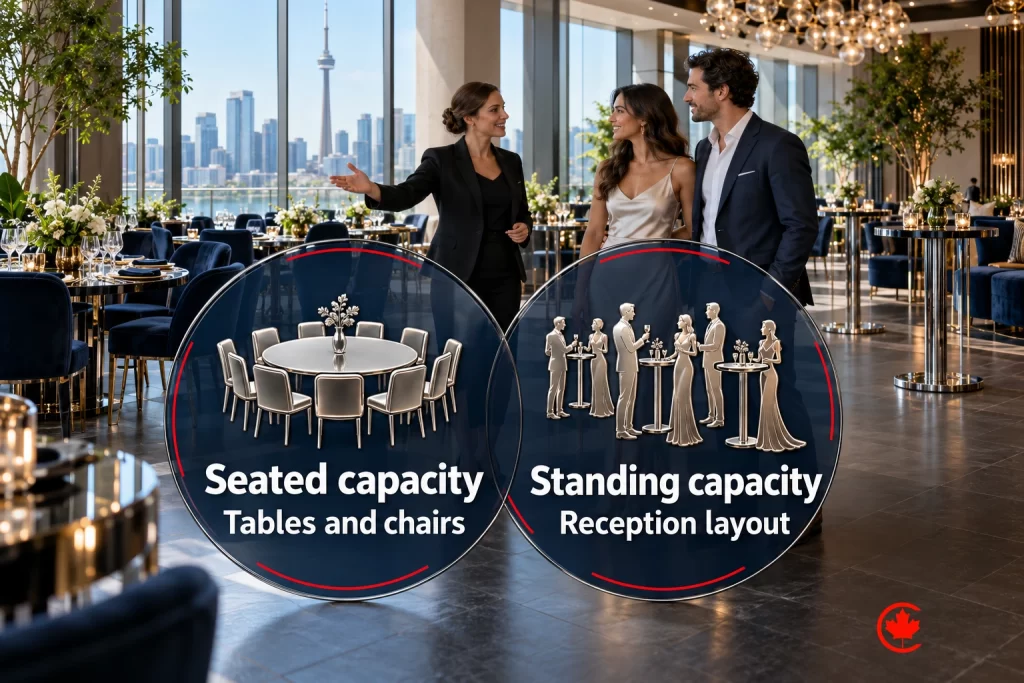
- Capacity and layout: exact seated and standing numbers, ceremony and reception in one place, rain plan.
- What is included: in house catering, bar service, rentals, a coordinator, accommodation, getting ready suites.
- Flexibility: outside caterers allowed, cultural ceremonies welcome, late finish times, multi day celebrations.
- Experience: one wedding per day, a dedicated coordinator, a planning timeline.
Write down the three things couples mention most when they book. Those become the backbone of your marketing.
Invest in real photos and video
Weddings are bought with the eyes. Empty room photos tell couples the size of a space but not how it feels. Real weddings in every season and setup do the selling. Build a library by:
- Partnering with photographers who shoot at your venue, with written permission to use their images and credit on every post.
- Getting written consent from couples before publishing photos where they are identifiable.
- Arranging a styled shoot for seasons or setups you lack, clearly presented as a styled shoot.
- Capturing short videos: the ceremony at golden hour, the room set for dinner, the dance floor at night, the venue in snow.
Good imagery feeds every channel: website, Google profile, Instagram, Pinterest, directories and ads.
Be transparent about pricing
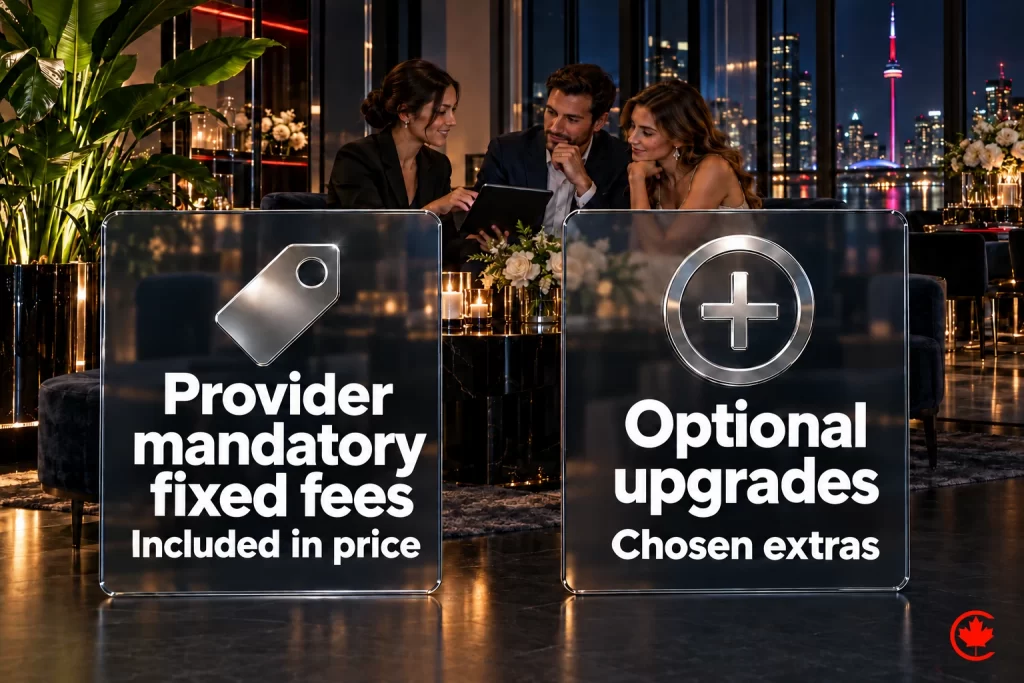
Many venues hide prices to force a call. Couples increasingly skip venues that make them work for basic information. Showing starting prices or package ranges helps qualify inquiries, so your team spends time on couples who can book. Include fixed mandatory charges in the advertised price, with government-imposed purchaser taxes clearly identified. Explain minimum spends and variable costs without creating a misleading total. Hidden mandatory fees, sometimes called drip pricing, are addressed in the Competition Act, and they damage trust when couples discover them later.
Licensed bar service follows your province’s alcohol rules, such as AGCO standards in Ontario. Keep alcohol promotion within them.
Get found in search
Couples search for wedding venues by region, style and capacity. To appear:
Google Business Profile
Use your real business name, the right categories (wedding venue, event venue, banquet hall), accurate hours for tours, plenty of real photos and genuine reviews. Invite every couple to share honest feedback after their wedding and reply to every review graciously.
Website pages for each search
Create pages for each space and package, for styles couples search (barn wedding, garden wedding, winery wedding, winter wedding), for small weddings and elopements, and for other events you host. Add planning content that answers real questions: how many guests fit, what a timeline looks like, what to do if it rains, which vendors you recommend. Our SEO service builds this structure.
Paid search for active planners
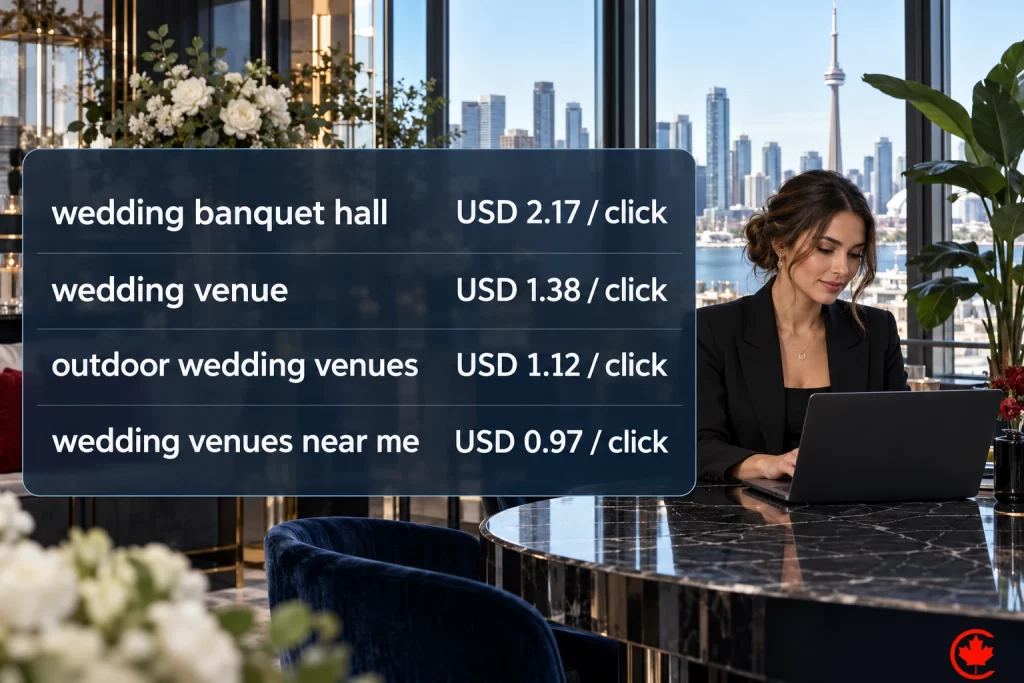
Couples searching “wedding venues near me” are ready to compare. Focused Google Ads sending them to pages with availability, pricing and tour booking can fill your tour calendar quickly.
Instagram, Pinterest and TikTok
Social platforms are where couples dream and save ideas. What works for venues:
- Posting real weddings regularly, tagging photographers and vendors who gave permission.
- Short videos that show transformations: empty room to full reception, day to night.
- Behind the scenes from your coordinators.
- Pinterest boards organized by season, style and space, linking to your pages.
- Answering planning questions in posts and stories.
Paid campaigns on Meta and Pinterest can reach engaged couples in your region. Influencer or creator posts need clear disclosure of any material connection, such as a free event or payment.
Use directories and bridal shows wisely
Wedding directories and bridal shows bring inquiries for many venues, but quality varies. Before you renew a listing or book a booth, compare the cost with the number of tours and bookings it produced, not only inquiries. Keep your directory profiles consistent with your website, with the same photos, capacity and pricing information. At bridal shows, collect contact details with consent and follow up within days.
Build relationships with planners and vendors
Wedding planners, photographers, florists, caterers, DJs and officiants recommend venues every week. Make it easy for them to recommend you:
- Host a vendor open house or showcase.
- Share high quality photos and credit vendors generously.
- Create a preferred vendor list based on real experience, and be clear about any fees or commissions involved.
- Keep planners informed about open dates and new packages.
Make the tour the turning point
Most bookings are decided at the tour. Prepare it carefully:
- Confirm and remind. Send a confirmation with directions and parking, and a reminder the day before.
- Know the couple. Review their date, guest count, style and budget before they arrive.
- Show it set. Tour when the space is set for an event if possible, or use photos and a tablet to show setups.
- Walk the day. Take them through the timeline from arrival to last dance, including the rain plan.
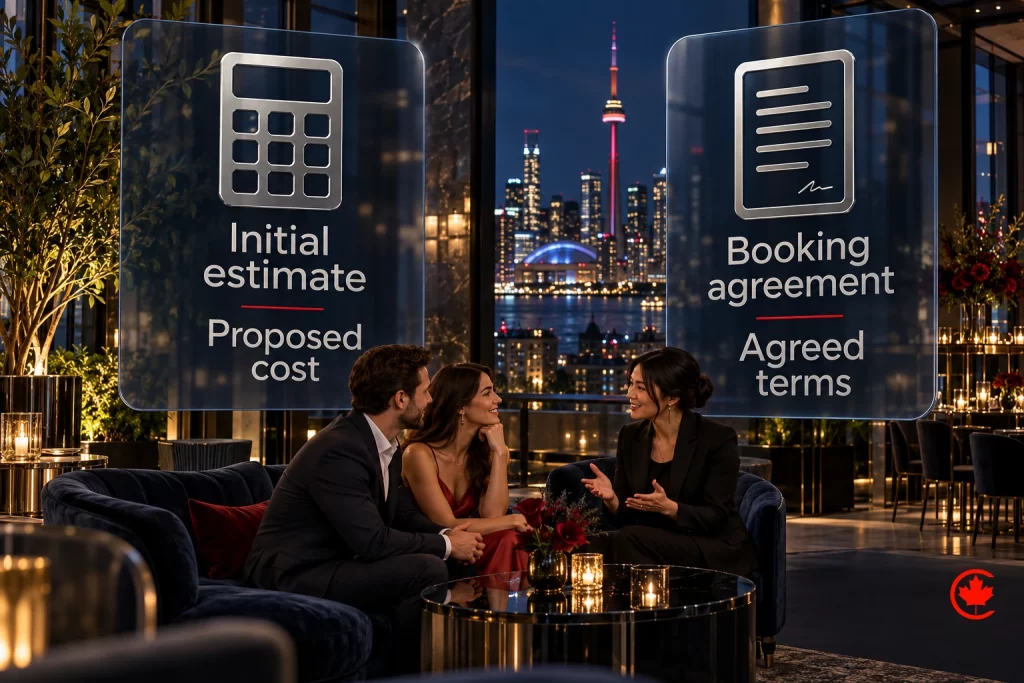
- Be clear on costs. Give a written estimate with all fees and what the deposit secures.
- Follow up fast. Send a thank you and the proposal the same day.
Reply to inquiries before anyone else
Couples often inquire with several venues the same evening. The first to reply with availability, pricing and a tour link usually wins the visit. Set up instant replies, a booking calendar and a CRM that tracks every inquiry through tour, proposal and booking. Text and email follow up should follow CASL, with consent and an unsubscribe. Our wedding venue marketing service sets this up for venues.
Fill the off peak calendar
Prime Saturdays in summer and early fall book first. Profit often depends on the rest. Ideas that work:
| Date type | What to offer | Who to target |
|---|---|---|
| Fridays and Sundays | Dedicated packages with clear value | Couples flexible on day |
| Weekdays | Micro weddings, elopements, corporate events | Small weddings, companies |
| Winter | Seasonal styling and cozy features | Couples who love winter |
| Short notice dates | Last minute availability list | Opted in couples and planners |
| Other celebrations | Showers, anniversaries, celebrations of life | Local families and groups |
We plan and run wedding venue marketing for hospitality, automotive and local businesses in Toronto and across Canada, scoped in writing after a free review.
Promote off peak packages with their own pages and campaigns rather than discounting publicly, so prime dates keep their value.
Grow corporate and social events
Weddings are seasonal; corporate events, holiday parties, meetings, retreats, galas and fundraisers can fill weekdays and winter months. Create a separate events section with capacity, AV, catering and parking details, and reach event planners and office managers through search and LinkedIn. Our lead generation service supports these programs.
Measure what matters
- Inquiries, tours and bookings by source.
- Inquiry to tour and tour to booking conversion rates.
- Response time to new inquiries.
- Booked revenue by season and day of week.
- Cost per tour and cost per booking for paid channels and directories.
Create diverse revenue beyond Saturday weddings
The most resilient venues earn from more than peak weddings. Beyond off peak packages and corporate events, consider ceremony only bookings, photo shoots, workshops, pop up markets, seasonal dinners, holiday parties, cultural celebrations and community fundraisers. Each new line needs its own page, photos and promotion, and some may need extra licences or approvals, so check your local rules. Keep the wedding experience protected: couples should never feel their day competes with other events.
Write packages couples can compare
Couples often build spreadsheets comparing venues. Make yours easy to compare:
- List what each package includes: spaces, hours, tables and chairs, linens, catering, bar, coordinator, setup and cleanup.
- State guest minimums and maximums.
- Show attainable starting prices including fixed mandatory fees, and explain applicable taxes and variable costs.
- Explain what is optional and how add ons are priced.
- Describe deposit and payment milestones in plain language in your written proposal.
Clear packages reduce back and forth emails and help couples say yes sooner.
Welcome every kind of celebration
Couples come from many cultures and traditions, and many look for venues that understand multi day celebrations, specific ceremonies, dietary requirements, large guest counts or same sex weddings. If you host these regularly and do it well, say so clearly and show it with permission. Welcoming language and photos help couples feel the venue is right for them.
Common venue marketing mistakes
- Galleries of empty rooms with no real events.
- No prices or capacities anywhere on the website.
- Slow replies to inquiries, especially on weekends and evenings.
- Posting couples’ photos without permission or photographer credit.
- Advertising low per person prices without mentioning service charges and minimums.
- Ignoring off peak dates until weeks before.
- Renewing directories without checking whether they produced bookings.
Keep in touch after the wedding
Happy couples become your best marketers. Send a thank you after the wedding, share a few photos once the photographer allows, invite a review and ask whether they would recommend you to friends. Anniversary notes and invitations to venue events keep the relationship warm, and couples often return for anniversaries, family celebrations and corporate events at their workplaces.
Plan your marketing calendar around engagement season
Many couples get engaged between late November and February, and start searching for venues soon after. That makes winter a key season for venue marketing, even though few weddings happen then. Prepare ahead: refresh your galleries with the past season’s best weddings in the fall, update pricing for the next two years, schedule open houses for January and February, and plan search and social budgets to peak during engagement season. Bridal shows also cluster in winter. Spring and summer then become the time to capture content at real weddings and to promote the next year’s off peak dates.
Work with your coordinators
Your event coordinators know what couples ask, what worries them and what delights them. Involve them in marketing: ask them to note common questions for your website, to suggest photo moments during weddings (with permission) and to share short behind the scenes clips. Couples who meet a calm, organized coordinator on a tour feel the day is in good hands, so introduce your coordinators on your website and social media too.
Make your venue easy to visualize
Couples struggle to imagine an empty room as their wedding. Help them with floor plans showing ceremony, dinner and dance layouts for different guest counts, a virtual tour or walkthrough video, photos of each space in day and evening light, and examples of different decor styles. Share sample timelines for a typical day at your venue. The easier it is to picture the day, the more likely couples are to book a tour and the more confident they feel signing.
Accessibility information matters too. Describe step free entrances, accessible washrooms, parking and seating options, so guests of every age and ability are considered from the start.
Keep your information current everywhere
Couples notice inconsistencies. If your website lists one capacity, a directory another and your Google profile shows old hours, they wonder what else is out of date. Review every listing, profile and page at least twice a year, and immediately after changes to packages, prices, spaces or policies. Remove past promotions promptly. Accurate, current information is a quiet signal that your venue is well run.
A 90 day plan
Days 1 to 30: define what makes your venue different, update your Google Business Profile, publish starting prices with all fees, and set up instant inquiry replies and tour booking.
Days 31 to 60: build pages for each space and style, collect real wedding photos with permission, start posting on Instagram and Pinterest three times a week and contact ten planners and vendors.
Days 61 to 90: launch a focused search campaign, create off peak and corporate packages with their own pages, review directories by bookings and refine the tour process.
Frequently asked questions
How do I promote my wedding venue to couples who are still researching?
Stay visible through the long research phase, since couples visit several venues before they decide and the booking is one of their largest wedding purchases. A complete Google Business Profile, a website page for each space and style couples search, and regular posts of real weddings on Instagram and Pinterest keep your venue in front of them. Relationships with planners, photographers and caterers add recommendations you could not buy.
How can a wedding venue stand out from similar venues nearby?
Name what you offer that others do not, such as a waterfront ceremony site, exact seated and standing capacity, in house catering or permission for outside caterers. A line like "beautiful venue for your special day" makes you sound like every competitor. Write down the three things couples mention most when they book and build your marketing around them.
How should a wedding venue advertise to couples who are ready to compare?
Focused Google Ads for searches such as "wedding venues near me" reach couples who are actively comparing, as long as the ads lead to pages showing availability, pricing and a tour booking link. Paid campaigns on Meta and Pinterest can reach engaged couples in your region during the dreaming stage. Any influencer or creator post needs clear disclosure of a material connection, such as a free event or payment.
How do you market a new wedding venue that has few real weddings to show yet?
Arrange a styled shoot for the seasons and setups you lack, and present it plainly as a styled shoot. Partner with photographers who shoot at your venue, get written permission to use their images and credit them on every post. A vendor open house introduces the space to planners, florists and DJs who recommend venues every week.
Should a wedding venue show its prices on the website?
Yes, showing starting prices or package ranges helps qualify inquiries, and many couples skip venues that hide basic information. Include fixed mandatory charges in the advertised price and identify government-imposed taxes clearly. Hidden mandatory fees, often called drip pricing, are addressed in the Competition Act and damage trust when couples find them later.
How can a wedding venue fill Fridays, Sundays and winter dates?
Give off peak dates their own packages, pages and campaigns instead of discounting publicly, so prime Saturdays keep their value. Weekdays suit micro weddings, elopements and corporate events, while winter can be sold on seasonal styling and cozy features. A last minute availability list for opted in couples and planners helps with short notice dates.
How can a wedding venue market its rooms for conferences and corporate events?
Build a separate events section with capacity, AV, catering and parking details, so event planners and office managers find what they need without wading through wedding content. Reach them through search and LinkedIn. Holiday parties, retreats, galas and fundraisers can fill weekdays and winter months when weddings are scarce.
When should a wedding venue hold open houses to draw a crowd of couples?
Plan them for winter, because many couples get engaged between late November and February and start looking for venues soon after. Refresh your galleries with the past season's weddings in the fall and update pricing before the rush begins. At bridal shows and open houses, collect contact details with consent and follow up within days.
Which wedding venue revenue lines can add profit beyond peak season weddings?
Ceremony only bookings, photo shoots, workshops, pop up markets, seasonal dinners, cultural celebrations and community fundraisers can all add income. Each one needs its own page, photos and promotion, and some may need extra licences or approvals under local rules. Keep the wedding experience protected so couples never feel their day competes with another event.
How fast should a wedding venue answer a new inquiry?
As fast as possible, because couples often contact several venues the same evening and the first to reply with availability, pricing and a tour link usually gets the visit. Instant replies, a booking calendar and a CRM that tracks each inquiry through tour, proposal and booking make that possible on evenings and weekends. Text and email follow up must meet CASL, with consent and an unsubscribe.