
How hotels and short term rentals get more direct bookings
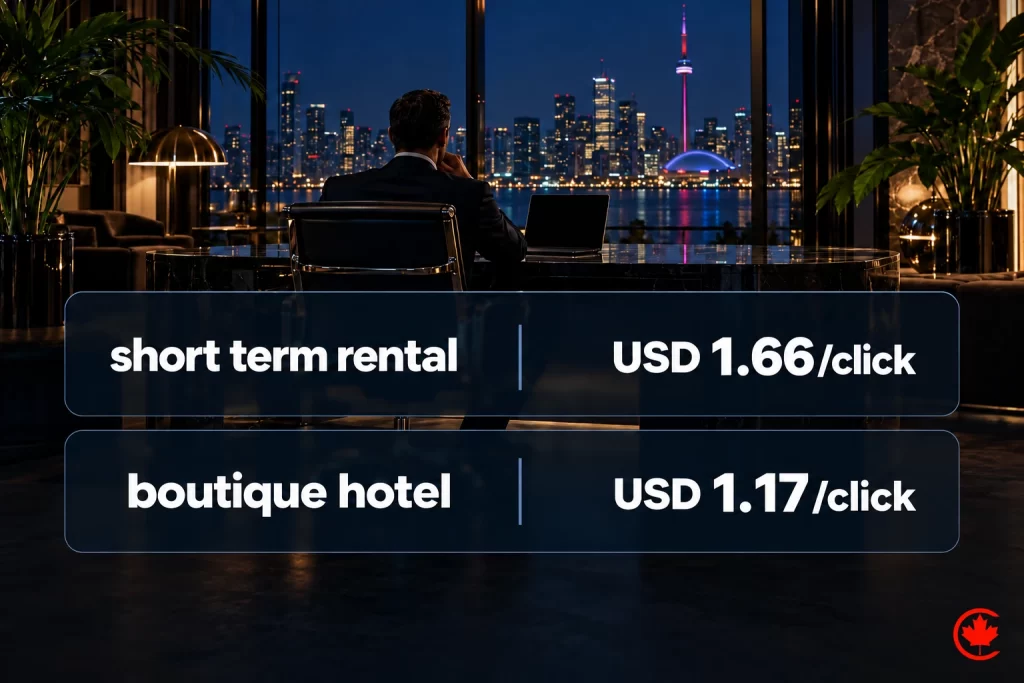
Hotels, inns and short term rental hosts in Canada compete with online travel agencies for every booking, and pay commission when the agencies win. Travellers in Canada search for “boutique hotel” about 5,400 times a month and for “short term rental” about 3,600 times a month. These national estimates do not measure demand for a particular property, individual guests or direct bookings. Properties that grow profitably use the agencies for reach, then win direct bookings with a strong website, Google hotel listings, email and a guest experience worth talking about. This guide covers how, with the pricing and registration rules that apply.
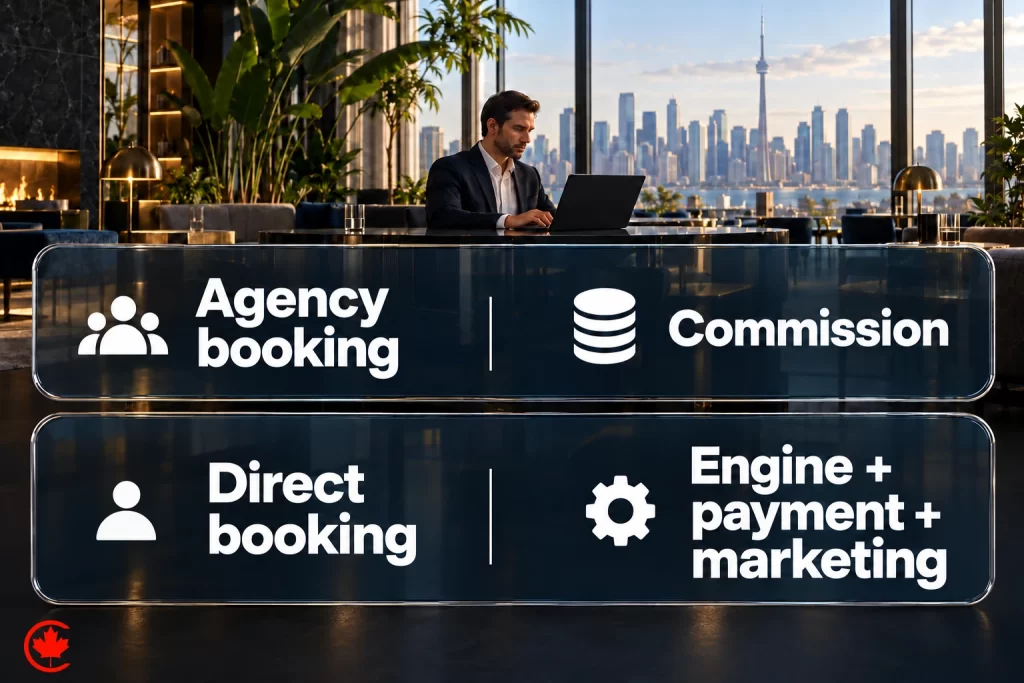
Direct bookings versus online travel agencies
| Online travel agencies | Direct bookings | |
|---|---|---|
| Reach | Large, especially for new travellers | Depends on your marketing |
| Cost | Commission on each booking | Your marketing and booking engine costs |
| Guest data | Limited | Yours, for repeat marketing with consent |
| Control | Platform rules | Your policies and offers |
We plan and run Airbnb advertising for hospitality, automotive and local businesses in Toronto and across Canada, scoped in writing after a free review.
Win the direct booking
- A fast, mobile first website with a booking engine that shows real availability and the full price.
- Google hotel listings and free booking links connected through your booking engine, where available.
- Clear reasons to book direct, such as flexible policies or added perks, stated accurately.
- Strong photos and video of rooms, views and the neighbourhood.
- Neighbourhood guides that rank for “things to do near” searches.
Pricing must be all in
The Competition Bureau has taken action against hidden mandatory fees in accommodation, and drip pricing is addressed in the Competition Act. Show the full price, including mandatory resort, cleaning or service fees, from the first display, with taxes clearly explained.
Short term rental registration
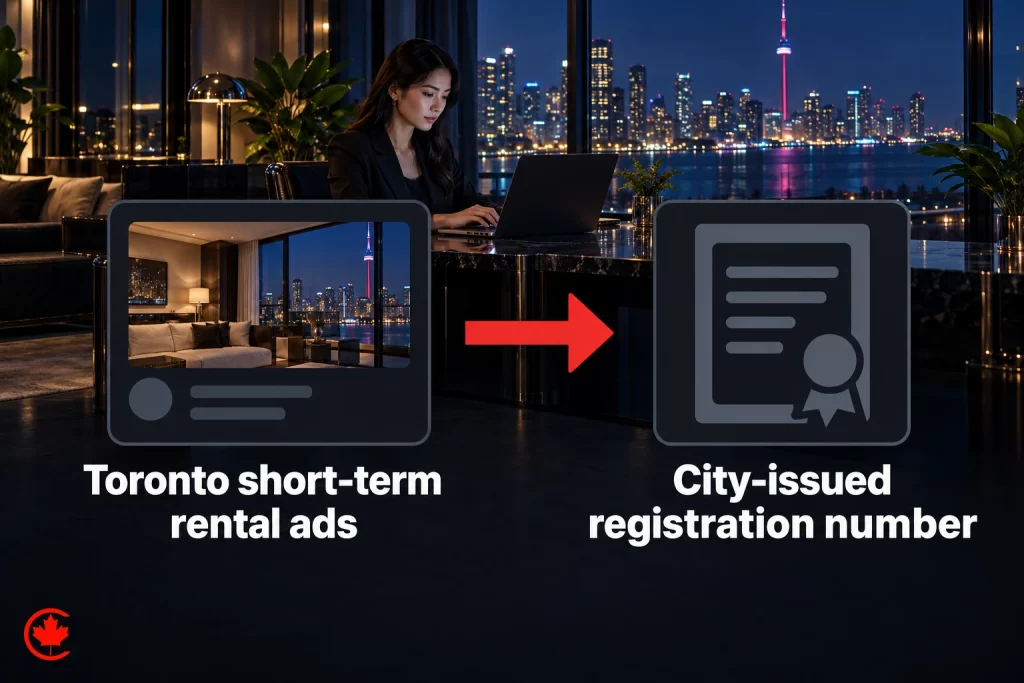
Many Canadian cities regulate short term rentals. Toronto, for example, requires operators to register with the City and show the registration number in listings. British Columbia introduced provincial rules on principal residence requirements and registration. Check your municipality before advertising a unit, and display any required numbers on your website and listings.
Reviews and reputation
- Ask every guest for a review after checkout, on Google and on the platforms where they booked.
- Reply to every review, thanking guests and addressing problems calmly.
- Never offer discounts or other rewards for Google reviews, regardless of the rating.
Repeat guests and groups
- Email past guests, with consent, about seasonal offers and events.
- Build pages for weddings, corporate stays, sports teams and extended stays.
- Partner with local event venues and attractions. See how to market a wedding venue and book more tours.
What a direct booking is worth to your property
Before you spend money to move guests from agencies to your own website, work out what each channel actually leaves you per stay. A direct booking is not free: it carries booking engine fees, payment processing, the marketing that produced it and the staff time spent answering questions that an agency would otherwise handle. An agency booking carries commission, and sometimes a lower rate or extra perks you agreed to fund.
A simple way to compare is to take a recent month and, for each channel, list the room revenue, the commission or fees paid, the payment costs and any marketing spent on that channel. Divide what remains by the number of nights sold. Then look at how guests from each channel behave: length of stay, how often bookings change, spending on site and whether they come back. A guest who books direct, stays longer and returns next season is worth more than the first night suggests.
Some agency agreements include terms about the rates you can show elsewhere. Read your agreements before publishing a lower direct rate, and consider book direct benefits that are not price, such as a better room choice, early check-in when available or a welcome amenity, stated accurately.
What guests need to see before they book on your website
Most direct bookings are lost in the last few steps. A guest who has already chosen your property leaves when the booking engine is slow, hides the total, or asks for too much information before showing a price. Walk through your own booking path on a phone, as a guest would, and check each of these points.
- Dates and guest numbers can be entered on the first screen, and availability appears without a separate search page.
- Each room or unit has its own photos, bed configuration, size, accessibility details and the view or floor where that matters.
- The total, with mandatory fees included and taxes explained, appears before the guest enters payment details.
- Check-in times, deposit rules, pet and parking information, and your rules for changing a reservation sit close to the booking button, not on a separate page.
- The confirmation email repeats the dates, total, address, arrival instructions and a direct contact for questions.
If you welcome guests from Quebec or run a property there, offer the booking path and confirmations in French as well as English. Clear arrival instructions in both languages also reduce calls on the day.
Your Google Business Profile as a booking channel
Many travellers see your Google Business Profile before they see your website. For hotels and inns, Google can show prices and booking links next to your listing, including your own direct link when your booking engine or channel manager is connected. Keep the profile as carefully as you keep the website.
- Choose the correct primary category and complete the amenities, such as parking, breakfast, accessibility and pet policy.
- Add recent photos of every room type, common areas and the entrance, so guests can recognise the property on arrival.
- Answer common questions in the profile and on the website with the same wording, so the details never conflict.
- Update seasonal hours, front desk hours and any renovation that affects guests.
Short term rental hosts often rely on platform listings instead of a Google profile. A simple website with the registration number, photos, house rules and a contact path still helps repeat guests and referrals find you directly.
How to measure direct bookings
Direct booking marketing only improves when you can see where bookings come from. Booking engines often run on a separate domain, so check that your analytics follows a visitor from your website into the booking engine and records the completed reservation, without collecting personal details in the analytics tool.
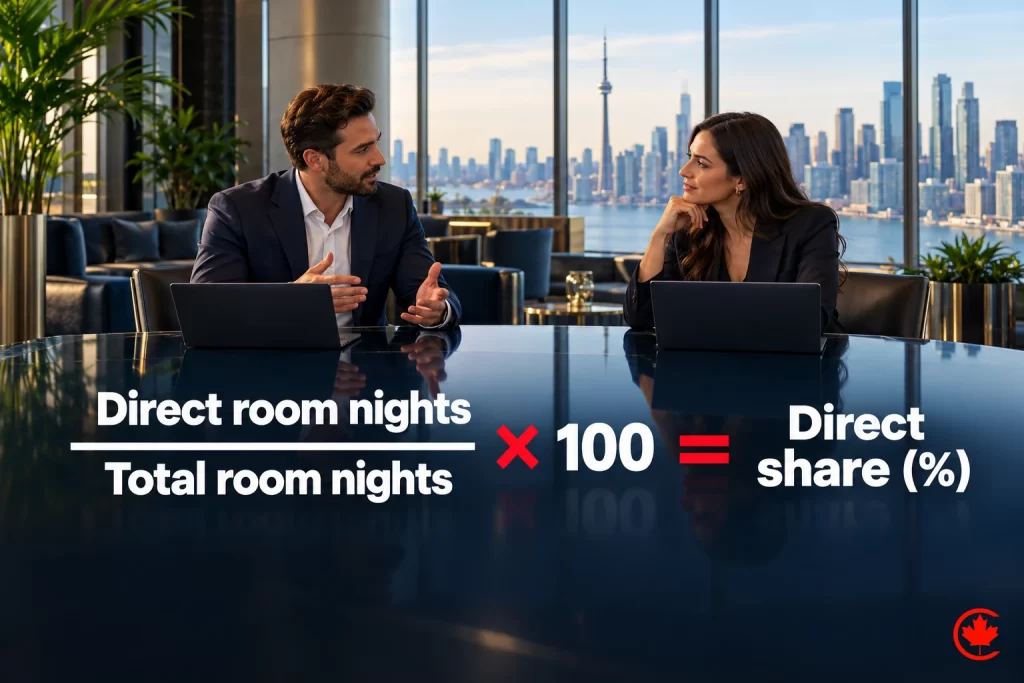
Track a small set of numbers every month: direct bookings and room nights, the share of all room nights booked direct, revenue per direct booking, and the marketing spent to produce them. Compare the same month across years, because seasons, events and holidays change demand far more than most campaigns. Ask guests at check-in how they found you, and record the answer in your property management system so word of mouth and repeat stays are counted too.
Paid campaigns
Test search ads on your property name against incremental direct bookings and acquisition cost when agencies bid on your brand. Metasearch and Google hotel ads put your direct rate next to agency rates. Social ads for seasonal packages work well for leisure properties.
See our Airbnb advertising and hospitality marketing and hotel CRM systems services.
Frequently asked questions
How can a hotel increase its direct bookings without dropping the online travel agencies?
Use the agencies for reach and then win the repeat and returning guest on your own channels. That takes a fast, mobile first website with a booking engine showing real availability and the full price, Google hotel listings with free booking links where available, and email to past guests who gave consent. Clear reasons to book direct, such as flexible policies or added perks, should be stated accurately.
How can a short term rental host get guests to book direct rather than through Airbnb?
Give past guests and referrals a simple website with your registration number, photos, house rules and a clear way to contact you. Email earlier guests about seasonal stays only if they agreed to hear from you. Read your platform agreements before advertising a lower direct rate, and consider perks that are not price, such as a welcome amenity.
What should a direct booking website for short term rentals show before the guest pays?
The total with mandatory fees included and taxes explained should appear before payment details are requested. Dates and guest numbers belong on the first screen, and each unit needs its own photos, bed configuration, size and accessibility details. Check-in times, deposit rules, pet and parking information and change rules should sit near the booking button.
How does a Google listing help a hotel or vacation rental get booked direct?
Many travellers see your Google Business Profile before your website, and for hotels and inns Google can show prices and booking links, including your own direct link when the booking engine or channel manager is connected. Pick the correct primary category, complete amenities such as parking, breakfast and pet policy, and add recent photos of every room type. Answer common questions with the same wording on the profile and the website so details never conflict.
Do short term rentals in Toronto have to show a registration number?
Yes, Toronto requires short term rental operators to register with the City and show the registration number in listings. British Columbia has provincial rules on principal residence requirements and registration, and many other Canadian cities regulate rentals too. Check your municipality before advertising a unit and show any required number on your website and listings.
Are online travel agencies still worth it for a hotel that wants more direct bookings?
They usually are for reach, especially with travellers who have never heard of you, but each booking costs a commission and gives you limited guest data. To compare fairly, take one recent month and list each channel's room revenue, commission or fees, payment costs and marketing, then divide what remains by nights sold. Also look at length of stay, changes and repeat visits, since a direct guest who returns is worth more than the first night suggests.
How can a rental or hotel attract more bookings through reviews?
Ask every guest for a review after checkout, on Google and on the platform they booked through, and reply to each one calmly. Thank guests for praise and address problems without arguing. Never offer discounts or other rewards for Google reviews, whatever the rating.
Do hotels and short term rentals in Canada have to advertise all in prices?
Yes, the full price should appear from the first display, including mandatory resort, cleaning or service fees, with taxes clearly explained. The Competition Bureau has acted against hidden mandatory fees in accommodation, and drip pricing is addressed in the Competition Act. Properties that welcome Quebec guests should also offer the booking path and confirmations in French.
How can a property tell whether its booking engine is producing direct bookings?
Check that analytics follows a visitor from your website into the booking engine, which often runs on a separate domain, and records the completed reservation without collecting personal details. Each month, track direct bookings and room nights, the share of nights booked direct, revenue per direct booking and the marketing spent. Asking guests at check-in how they found you, and saving the answer in your property management system, captures word of mouth too.