
How financial advisors get clients in Canada

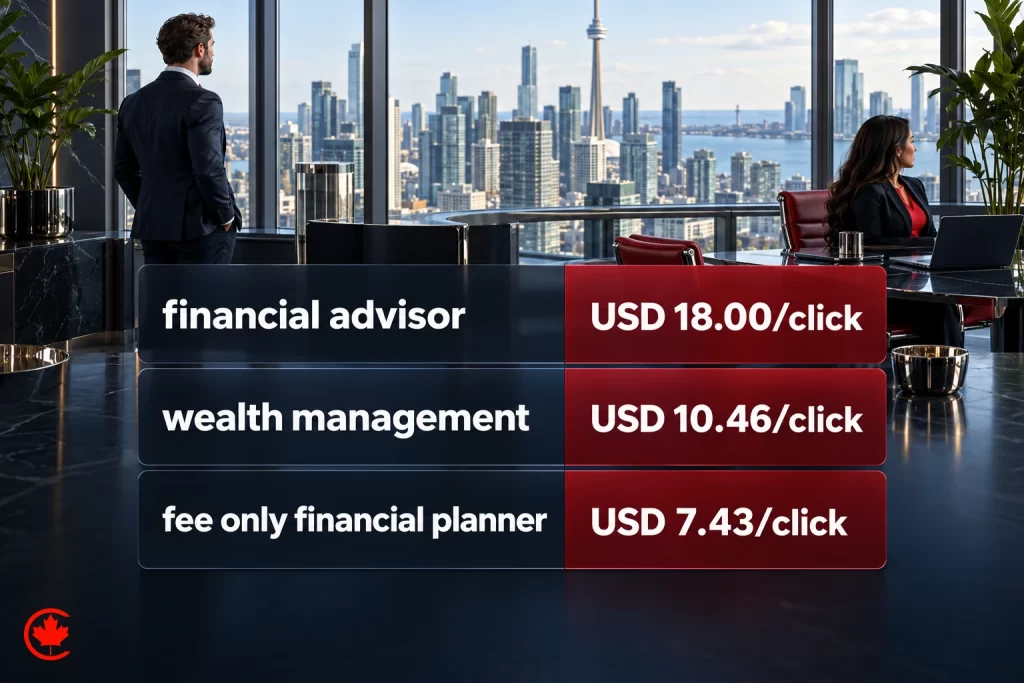
Trust matters when people choose a financial advisor. Clear positioning, useful education and consistent service can support those relationships. Search demand is steady: “financial advisor” draws an estimated 12,100 searches a month in Canada and “wealth management” about 3,600. Both are among the more expensive search terms to advertise on, with “financial advisor” costing noticeably more per click than “wealth management”. Advisors and firms that grow combine clear positioning, educational content, referral systems and compliant marketing that their dealer or firm will approve. This guide covers how.
Know the rules before you market
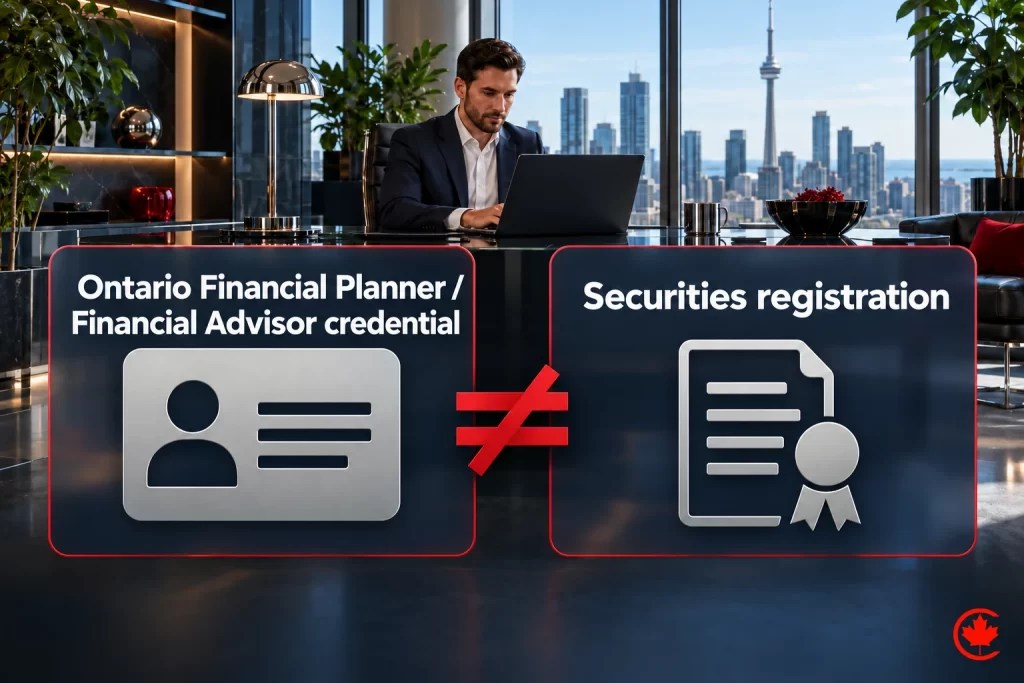
- Titles: in Ontario, the titles “Financial Planner” and “Financial Advisor” are protected under the Financial Professionals Title Protection framework; individuals using them need a credential from an approved credentialing body.
- Dealer and regulator rules: advisors at investment and mutual fund dealers are overseen by the Canadian Investment Regulatory Organization (CIRO), formed in 2023. Firm and CIRO rules generally require marketing to be fair, balanced and approved by the firm before use.
- Performance claims: past returns, projections and comparisons are heavily regulated. Avoid them in general marketing unless your compliance team approves the exact wording.
- Testimonials and reviews: check your firm’s and regulator’s current position before using client statements.
Position around a specific client
“Financial advice for everyone” competes with every bank. A clear niche wins: business owners, physicians and dentists, tech employees with stock options, people near retirement, newcomers or families with a child with a disability. Build your website, content and referral network around that client.
Content that builds trust
| Topic | Who it reaches |
|---|---|
| RRSP, TFSA and FHSA explained, with current rules | Young professionals and families |
| Retirement income planning and CPP timing | People near retirement |
| Salary versus dividends and corporate investing | Business owners and incorporated professionals |
| RDSP and disability planning | Families |
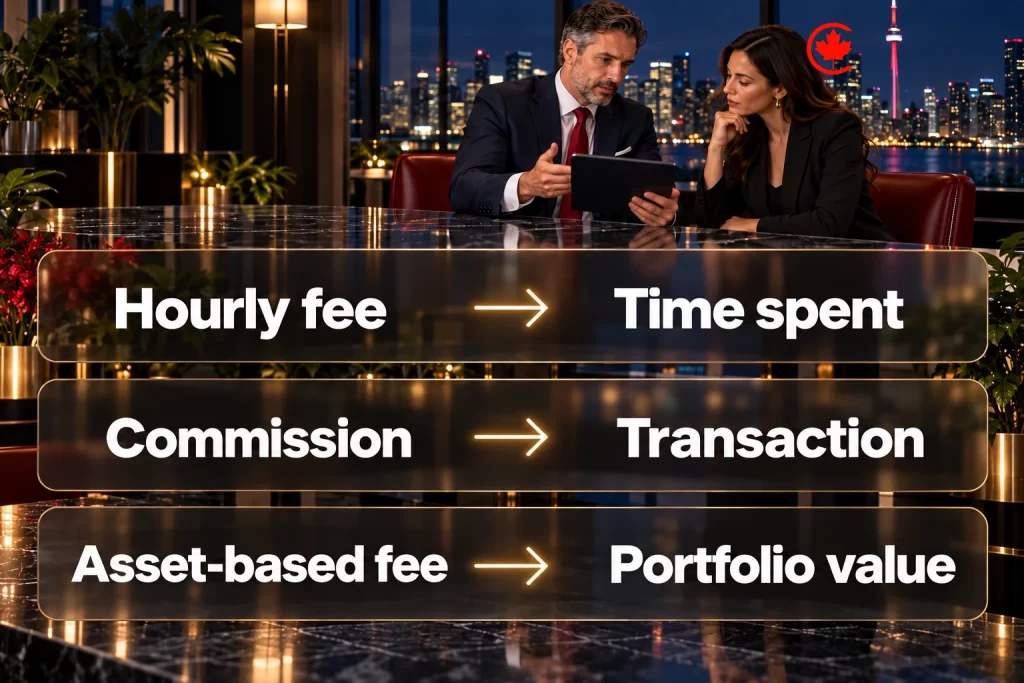
| Fee based versus commission advice explained | Anyone comparing advisors |
We plan search, content and referral marketing for Canadian financial advisors, prepared for your compliance review.
Keep content educational and dated, and route it through compliance where required.
Local SEO and your profile
- A complete Google Business Profile and a clear advisor bio page with credentials and how to verify them.
- Location pages for the communities you serve.
- Consistent listings on professional directories.
Referral systems
Accountants, estate lawyers, mortgage brokers and insurance brokers refer clients at life events. Build reciprocal, compliant relationships with regular updates and joint client seminars. Past clients refer friends and family when asked at the right time.
Seminars, webinars and email
Educational events still work well for advisors, especially on retirement and tax topics. Follow up with a consent based newsletter under CASL. A CRM for financial advisors keeps every prospect and referral source on track.
What a financial advisor website should include
Most prospects look at an advisor’s website after a referral, a seminar or a search, before they agree to a first meeting. The site has one job: help the right person decide that a conversation is worth their time.
- Who you help and how. Name the clients you serve best and the problems you solve for them, such as selling a business, planning a retirement income or managing an inheritance.
- How you are paid. Explain in plain words whether you charge fees, earn commissions or both, and what the client pays for. Prospects often ask, and a clear answer builds trust.
- Credentials and registration. List your designations and registrations, with a link to the public registry where people can check them, such as the CIRO advisor report or the national registration search.
- What the first meeting looks like. How long it takes, what to bring, whether it is in person or by video and what happens next.
- A simple way to book. An online booking link or a short contact form, plus a phone number. Ask only what you need to prepare for the first conversation.
- Required disclosures. Your dealer or firm usually supplies the wording that must appear on the site. Place it where it is visible without crowding the page.
Write the site for one reader at a time. A business owner thinking about selling their company wants to see that you understand that decision, not a list of every product your firm offers. A short page for each type of client you serve, with the questions they usually ask and how you help, does more than a long list of services.
How to turn a referral into a first meeting
Referrals are often the best source of new clients for advisors, but many are lost between the introduction and the first meeting. A simple process keeps them on track.
- Respond quickly. Contact the referred person within one business day, by the method the referrer suggested.
- Mention the connection. Name the person or professional who made the introduction, with their permission, so the call does not feel cold.
- Offer a short first conversation. A brief call to understand their situation is easier to agree to than a full planning meeting.
- Send something useful. Follow up with an approved guide on the topic they raised, such as retirement income or incorporated investing.
- Close the loop. Thank the referrer, within the limits of privacy rules, and record the referral source in your CRM.
Track how many referrals become meetings and how many meetings become clients. If many referrals stall before the first meeting, the issue is usually follow up speed or the first contact message, not the number of referrals.

Keeping marketing records for compliance
Advisors at dealers and many other firms must keep records of their marketing and client communications. Building good habits early avoids problems at audit time.
- Get approval before use. Submit website pages, seminar slides, social media profiles, ads and newsletters for review according to your firm’s process, and keep the approval record.
- Use approved channels. Many firms require social media and messaging to run through tools that archive posts and messages. Check which platforms and apps your firm allows before you use them with clients.
- Date your content. Tax rules, contribution limits and government benefits change. Date every article and review it each year so old figures do not stay online.
- Handle client information carefully. Follow privacy law and your firm’s rules for collecting, storing and sharing personal information, including in your CRM and email tools.
Treat your compliance team as part of the marketing process. Sending them clear, complete drafts with sources for any figures usually shortens review times.
Plan seminars and webinars with the same care. Have the invitation, the slides and any handout approved in advance, collect consent for follow up emails at registration, and keep the attendee list in your CRM so every follow up is recorded.
How to tell which marketing brings clients
An advisor’s sales cycle can run for months, and many prospects attend a seminar, read the newsletter and talk to a friend before they book. A few habits show which efforts are paying off.
- Record the first source and the referral source for every prospect in the CRM.
- Tag links in emails, social posts and ads with UTM tags so website analytics shows which campaign led to each booking request.
- Track seminar sign ups, attendance and the meetings booked afterwards.
- Compare channels by new clients and assets brought in, not by clicks or followers.
Review the numbers each quarter. Look for the referral partners, seminar topics and content that lead to the most first meetings, and give them more of your time. Drop the activities that take hours each month but rarely lead to a conversation.

Paid ads, carefully
Google Ads on narrow, local searches such as “fee only financial planner [city]” or “retirement planning for business owners” can work, with ad text approved by compliance. Financial services ads are subject to Google’s financial services policies and verification in many countries.
See our CRM for financial advisors and wealth management AI services, and the industry CPC study.
Frequently asked questions
How do financial advisors find new clients in Canada?
Advisors who grow usually combine a clear niche, educational content, referral relationships and marketing their dealer or firm will approve. A niche such as business owners, physicians, people near retirement or newcomers lets the website, content and referral network speak to one kind of client. Educational seminars, especially on retirement and tax topics, followed by a consent-based newsletter, still work well.
What marketing rules apply to a financial advisor in Canada?
In Ontario, the titles Financial Planner and Financial Advisor are protected, and people using them need a credential from an approved credentialing body. Advisors at investment and mutual fund dealers are overseen by CIRO, and firm rules generally require marketing to be fair, balanced and approved before use. Keep past returns, projections and testimonials out of general marketing unless compliance approves the exact wording, and confirm today's requirements with CIRO or your provincial regulator.
Should a financial advisor's website explain how the advisor gets paid?
Yes, state in plain words whether you charge fees, earn commissions or both, and what the client pays for. Prospects often ask, and a clear answer on the site builds trust before the first meeting. Place the disclosure wording your dealer or firm supplies where it is visible without crowding the page.
Does a financial advisor need CRM software to win and keep clients?
A CRM keeps every prospect and referral source on track, which matters when the sales cycle can run for months. Record the first source and the referral source for each prospect, and keep seminar attendee lists there so every follow-up is logged. Check your firm's rules for storing personal information in the CRM and email tools.
How can prospects check a financial advisor's credentials online?
The advisor's website should list designations and registrations with a link to a public registry where people can verify them, such as the CIRO advisor report or the national registration search. A clear bio page with credentials also supports the Google Business Profile. Prospects comparing advisors look for this before they agree to a first meeting.
How can a financial advisor turn referrals into first meetings?
Contact the referred person quickly, the post suggests within one business day, using the method the referrer suggested, and name the person who made the introduction with their permission. Offer a short first conversation instead of a full planning meeting, then follow up with an approved guide on the topic they raised. Thank the referrer within privacy limits and record the referral source in your CRM.
How does a financial advisor show up in searches for financial advisors near me?
Complete your Google Business Profile and publish a clear advisor bio page with credentials and how to verify them. Add location pages for the communities you actually serve and keep listings consistent across professional directories. Date your articles and review them each year, since contribution limits and tax rules change.
Can fee-based financial advisors use Google Ads to reach local clients?
Yes, ads on narrow, local searches such as a fee-only financial planner in a named city or retirement planning for business owners can work. Ad text should be approved by compliance first. Financial services ads fall under Google's financial services policies, which include advertiser verification in many countries.