
How property management companies win owners, boards and tenants

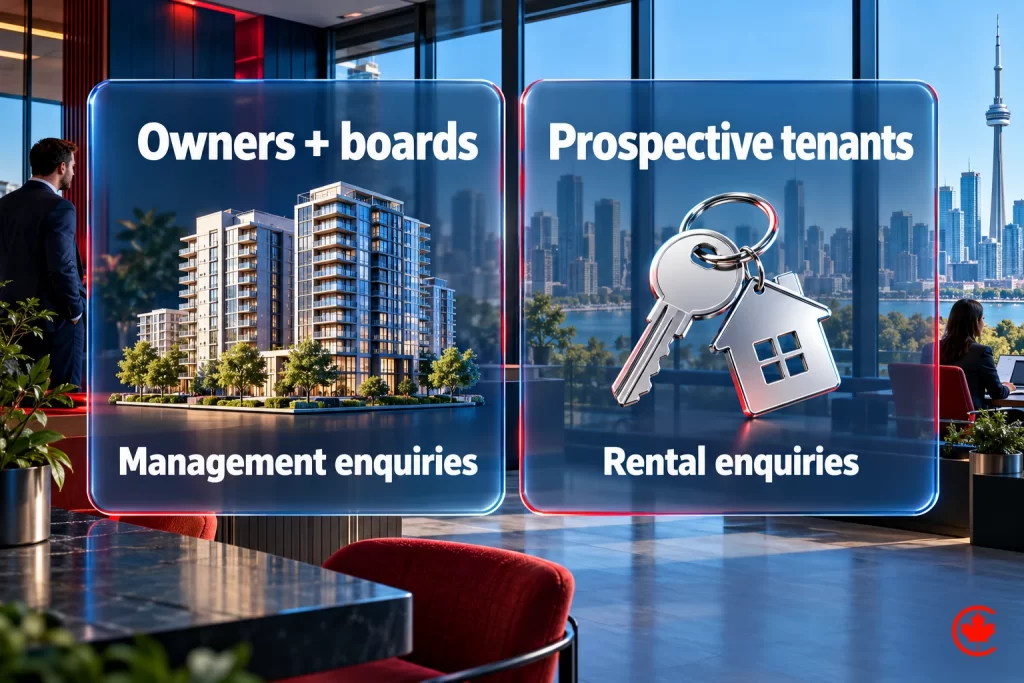
Property management companies in Canada sell to two audiences at once. Owners, investors and condo boards hire you to protect valuable assets, and they choose slowly and carefully. Tenants choose where to live or work based on your listings, your buildings and your reputation. A company that markets well to one and poorly to the other struggles: great leasing will not win mandates if owners see poor reviews, and a polished owner pitch means little if units sit empty. The companies that grow build trust with both.
This guide covers how owners and boards choose a manager, the rules that shape property management marketing, budget formulas, the pages and channels that work, what your website needs, referrals, retention, a sample company’s first quarter, what to measure and a 90 day plan.
How owners and condo boards choose a property manager
Most owners and boards look for a new manager because the current one has disappointed them: slow maintenance, poor communication, confusing statements or long vacancies. They search online, ask other owners or board members and compare a short list. The questions they bring are predictable, and your marketing should answer them before the first meeting:
| Owner or board question | What your website should show |
|---|---|
| What exactly do you manage? | Services for rentals, condos, multiresidential and commercial, with clear scope |
| How do your fees work? | Fee structure explained; quoted in writing for each property |
| How fast do you respond? | Maintenance response process and after hours coverage |
| How do you report? | Owner portal, financial statements and reporting frequency |
| How do you fill vacancies? | Leasing process, screening and marketing channels |
We plan and run property management marketing for real estate businesses in Toronto and across Canada, scoped in writing after a free review.
Condo boards add their own concerns: support for meetings and budgets, reserve fund planning, communication with owners, rule enforcement and handling of contractors. Investors with properties in several cities want one manager who reports consistently across all of them.
How tenants choose a rental
Tenants compare location, price, condition, amenities and the experience of dealing with the manager. They read reviews of the building and the company, look closely at photos and expect fast replies to enquiries. Commercial tenants care about space, access, building systems, lease flexibility and the responsiveness of management. Accurate listings, good photos, virtual tours and quick, respectful communication fill units faster.
Rules that shape property management marketing
In Ontario, condominium managers and condominium management providers are licensed by the Condominium Management Regulatory Authority of Ontario (CMRAO). Other provinces regulate property management and leasing activities in their own ways; show the licences you actually hold and describe your services accurately for each province.
Rental listings must not express preferences based on grounds protected under human rights law, such as family status or, in Ontario rental housing, receipt of public assistance. Meta treats housing as a special ad category, restricting targeting by age, gender and postal code. Advertised rents must not be made unattainable by mandatory fixed fees; government-imposed charges on purchasers are treated separately under the Competition Act. Email to owners, prospects and tenants follows CASL: consent, sender identification and an unsubscribe, with operational notices kept separate from promotions. Tenant personal information never goes into analytics or ad targeting.
Budget formulas for property managers
Value of a new mandate = monthly management fee per door × doors in the mandate × expected months under management. A small building that stays with you for years can be worth far more than its first year’s fees suggest.
Gross-profit ceiling for acquisition cost = value of a new mandate × gross profit share. Deduct onboarding, sales costs not already included, overhead and your target profit before setting an acquisition budget. Match the expected retention period to the time you can afford to wait for payback.
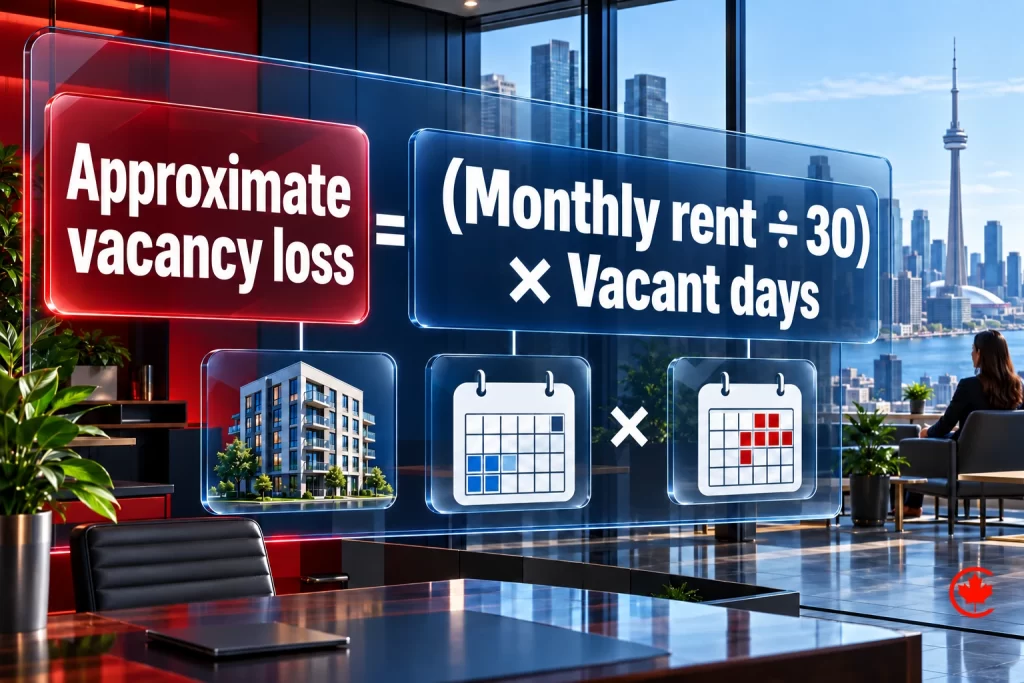
Approximate lost rent from vacancy = monthly rent ÷ 30 × days vacant. Every day a unit sits empty costs your owner money and your reputation. Compare this with the cost of a leasing campaign or virtual staging; spending to shorten vacancy often pays for itself.
Pages and channels that work
Owner service pages. One page per property type you manage, each explaining scope, process, reporting and the transition from a previous manager.
Owner guides. Practical content on preparing a unit for rent, budgeting for repairs, screening tenants within the law and what management transition involves. These rank for owner searches and show expertise.
Search visibility. Owner searches for property management in your city, condo management and rental management services. Our property management marketing service builds these pages and campaigns.
Board outreach. Condo associations, board education events and direct contact with board members reach boards before they issue a request for proposals.
Rental listings and building pages. Accurate, well photographed listings on your site and the major platforms, plus a page for each building with amenities, neighbourhood information and a tour.
Referral partners. Realtors who sell investment property, mortgage brokers, accountants and lawyers who advise investors, and contractors who serve your buildings.
Website essentials for a property management company
- Separate owner and tenant paths from the home page.
- Owner section: services, fee structure explained, reporting samples, transition process, consultation request.
- Tenant section: available rentals, application process, maintenance requests, resident information.
- Building pages with photos, amenities and tours.
- Licensing information, team introductions and contact options.
- Reviews displayed with professional replies.
- Fast, accessible pages that work well on phones.
See our website design service, and virtual staging for vacant units.
Referrals and reputation
Owners talk to other owners, and board members sit on more than one board over time. A satisfied owner or board is your best source of new mandates. Ask them for introductions and make referring easy. Reviews matter in both directions: tenants leave reviews that owners read. Ask tenants and owners for honest reviews consistently, without filtering invitations by expected satisfaction, reply professionally to every review without disclosing personal information and fix the recurring problems reviews reveal.
Retention: keeping the mandates you win
Losing a mandate means replacing recurring revenue and repeating acquisition work. Owners and boards stay when communication is proactive, reports arrive on time, maintenance is handled well and problems are explained before they are discovered. A regular owner newsletter with market updates, a quarterly review call for larger portfolios and a clear escalation contact all support retention. CS+, Canada Create’s CRM, can track every owner relationship, renewal date and conversation.
A sample company’s first quarter
Consider a hypothetical property management company in an Ontario city managing a few hundred residential doors and three condo corporations. The owner wants more condo mandates and shorter vacancies for investor clients.
Month one. The website is split into owner and tenant paths. A condo management page explains board support, budgets, communication and the transition process, with CMRAO licensing shown. Tracking is set up for owner enquiries and rental enquiries separately. An honest review request goes to owners and tenants without screening for positive feedback.
Month two. Building pages with tours go live for units with the longest vacancies. A leasing campaign runs within housing category limits. An owner guide on preparing a condo unit for rent is published. The company attends a condo association event and follows up with board members who opted in.
Month three. The team reviews owner enquiries, consultations and mandates by source, compares days on market before and after the new building pages and calculates the cost of vacancy saved against campaign spend.
No result is promised. The company now markets to owners and tenants separately and can show owners what its leasing work achieves.
Mistakes that cost property managers mandates
One website for two audiences. When owners and tenants land on the same confusing page, both leave. Separate paths from the home page serve each better.
Hiding the fee structure. Owners comparing managers want to understand how fees work. Explaining the structure, with each property quoted in writing, builds trust and filters poor fits.
Ignoring tenant reviews. Owners read the reviews tenants leave. Unanswered complaints suggest the problems are real and unresolved.
Listings that break the rules. Preferences based on protected grounds, or rents that leave out mandatory charges, create legal risk and reputational damage. Review every listing template.
Reactive owner communication. Owners who learn about problems from tenants or invoices start looking for a new manager. Proactive updates keep mandates.
No follow up with board contacts. Condo boards change and request proposals every few years. Staying in touch with board members who opted in keeps you on the list.
A yearly calendar for property management marketing
- Winter: owner guides on budgeting and year end statements; board outreach before annual general meetings; leasing campaigns for units turning over in spring.
- Spring: leasing season builds; refresh building pages and photos; contact realtors who sell investment properties.
- Summer: peak leasing in many markets, including student housing near campuses; fast replies and easy showings matter most.
- Fall: condo budget season; board focused content and outreach; owner newsletter with market updates and maintenance planning.
Leasing seasons differ by city and property type. Track enquiries, days on market and owner leads by month to tune the calendar to your portfolio.
What to measure
| Measure | What it tells you |
|---|---|
| Owner and board enquiries by source | Where new mandates come from |
| Consultation to mandate rate | Whether your pitch and proposal persuade |
| Doors added per quarter | Whether the portfolio grows |
| Days on market | How well leasing serves your owners |
| Mandate retention | Whether owners and boards stay |
| Review rating and reply rate | How owners and tenants see you |

A 90 day plan
Days 1 to 30. Owner and tenant paths built, licensing shown, enquiry tracking split by audience, review requests standardized.
Days 31 to 60. Owner service pages and one owner guide published, building pages with tours for vacant units, a leasing campaign within housing rules.
Days 61 to 90. Mandate and leasing results reviewed, board outreach started, referral partners contacted, owner newsletter launched with consent.
To have a team run this plan with you, see our property management marketing service and real estate marketing. Canada Create has served Canada since 2008, and your custom proposal follows discovery.
Frequently asked questions
What do owners and condo boards look for in a property management company?
Most are looking because their current manager disappointed them with slow maintenance, poor communication, confusing statements or long vacancies. They want to know what you manage, how fees work, how fast you respond, how you report and how you fill vacancies. Your website should answer each of those before the first meeting.
How should a property management company in Ontario explain its fees?
Explain the fee structure clearly on the owner section of the website and say that each property is quoted in writing. Owners compare managers on cost, scope and reporting together, so pair the fee explanation with sample reports and the services included. Advertised rents to tenants also must not be made unattainable by mandatory fixed fees.
How can a property manager win a condo board's business?
Condo boards want support for meetings and budgets, reserve fund planning, communication with owners, rule enforcement and handling of contractors. Reach boards through condo associations, board education events and direct contact before they issue a request for proposals. A clear transition process from the previous manager answers one of their biggest worries.
Why must a property management company market to owners and tenants at the same time?
Owners hire you to protect valuable assets, while tenants choose where to live or work based on your listings and reputation. Great leasing will not win mandates if owners see poor reviews, and a polished owner pitch means little if units sit empty. Separate owner and tenant paths on the home page help both audiences find what they need.
What should a property manager avoid in rental listings and ads?
Listings must not express preferences based on grounds protected under human rights law, such as family status or, in Ontario rental housing, receipt of public assistance. Meta treats housing as a special ad category, so targeting by age, gender and postal code is restricted. Keep tenant personal information out of analytics and ad targeting.
How do owners find property managers in their city?
They search for property management in their city, condo management or rental management services, and ask other owners. One owner service page per property type, explaining scope, process and reporting, gives those searches somewhere to land. Owner guides on preparing a unit for rent or screening tenants within the law rank for owner searches and show expertise.
How can a property manager show owners what vacancy really costs?
Approximate lost rent as monthly rent divided by 30, multiplied by the days a unit sits empty. Compare that with the cost of a leasing campaign or virtual staging, since spending to shorten vacancy often pays for itself. Accurate listings, good photos, virtual tours and fast replies fill units sooner.
How much can a property management company spend to win a new owner?
Start with the value of a mandate: monthly management fee per door, times doors, times expected months under management. Multiply by your gross profit share, then deduct onboarding, sales costs, overhead and target profit before setting the acquisition budget. A small building that stays for years can be worth far more than its first year's fees suggest.
Which licences should an Ontario condo management company show in its marketing?
In Ontario, condominium managers and condominium management providers are licensed by the Condominium Management Regulatory Authority of Ontario. Show the licences you actually hold on the website along with team introductions. Other provinces regulate property management and leasing in their own ways, so confirm the current requirements in each province with counsel before you advertise there.