
How pharmacies grow locally within Ontario OCP rules
In Canada, “pharmacy near me” draws an estimated 550,000 searches a month and “pharmacy” about 201,000. Those are searches, not unique patients, visits or bookings. Independent pharmacies compete with chains on service, expertise and convenience, and their marketing has rules that most retailers never face. This guide covers how pharmacies grow by promoting professional services, while staying inside drug advertising and college rules.
The rules first
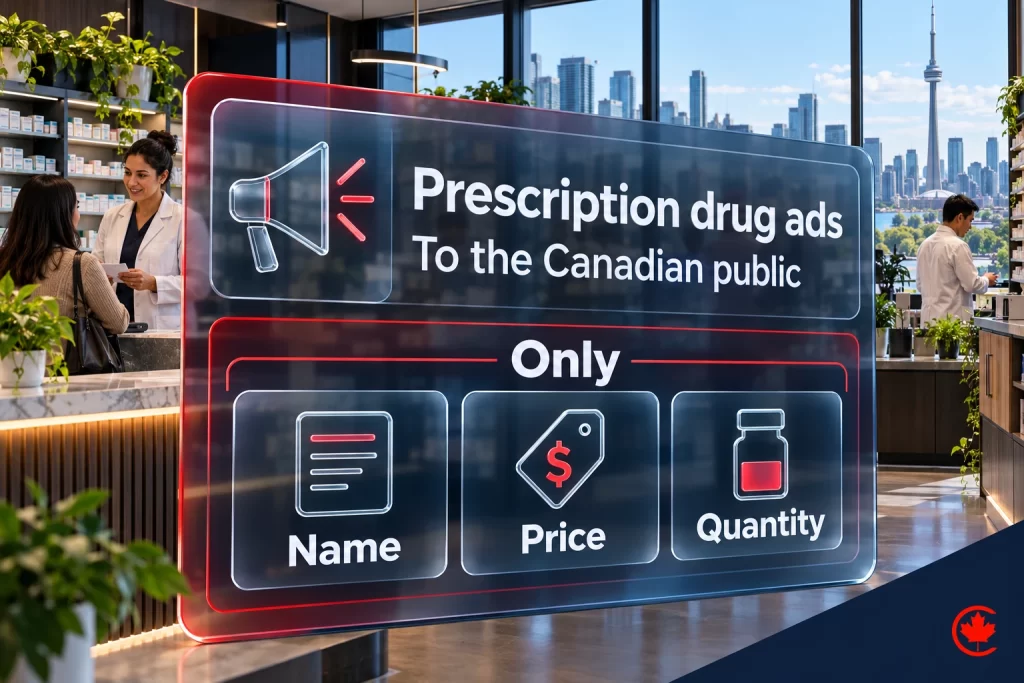
- Prescription drugs may be advertised to the public only by name, price and quantity.
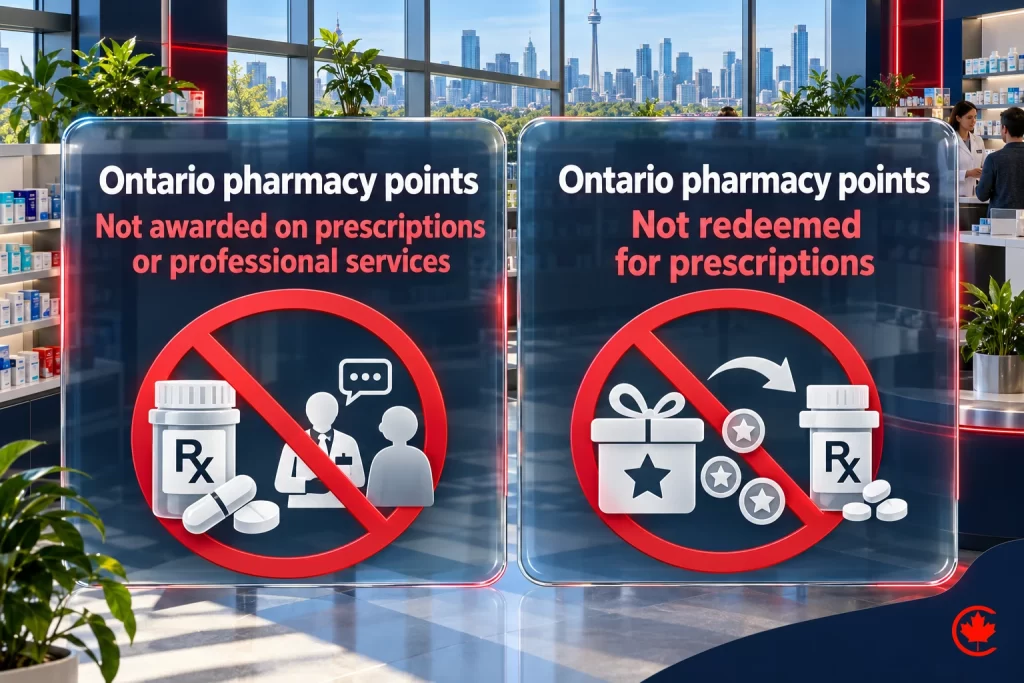
- In Ontario, the Ontario College of Pharmacists prohibits awarding loyalty or bonus points on prescriptions and professional pharmacy services, and points cannot be redeemed for prescriptions.
- Pharmacy advertising must be truthful and must not use inducements that compromise professional judgement.
- Natural health products and medical devices have their own claim rules.
OCP rules apply in Ontario. Check the pharmacy regulator and advertising requirements in every other province where you operate; do not assume the rules are identical.
Market professional services
| Service | How to market it |
|---|---|
| Minor ailment assessments and prescribing | Explain which conditions pharmacists can assess in your province; Ontario expanded this in 2023 |
| Vaccinations | Seasonal pages and booking for flu and other vaccines you offer |
| Medication reviews | Explain eligibility and what patients gain |
| Compounding, blister packs and delivery | Dedicated pages for caregivers and families |
| Specialty services | Travel health, diabetes support, smoking cessation, as offered |
We plan and run pharmaceutical marketing for clinics and practices in Toronto and across Canada, scoped in writing after a free review.
What a good pharmacy service page includes
A patient looking for a vaccine, a minor ailment assessment or a medication review usually has practical questions: can I get this here, am I eligible, is it covered, and how do I book. A service page that answers those questions in plain language reduces calls and helps the patient arrive prepared. For each professional service you offer, consider a page that covers:
- What the service is and who it is for, in the words patients use.
- Eligibility in your province, and whether the service is publicly funded or paid privately, with a link to the provincial program page where one exists.
- What to bring, such as a health card, a list of current medications or vaccination records.
- How to book, whether walk-ins are accepted, and the languages your pharmacists speak.
- When the patient should see a physician, a nurse practitioner or emergency services instead.
Give each major service its own page rather than one long list, so a patient searching for a specific service lands on the answer and Google can match the page to that search. If many of your patients speak another language, a translated version of your most used service pages, reviewed by a pharmacist who speaks it, is often more useful than a translated home page.
Keep the wording factual. Describe what the pharmacist does and how the appointment works, not results. Avoid comparisons with other pharmacies and any suggestion that a service will cure or prevent a condition. Have a pharmacist review each page before it goes live and whenever the provincial rules change.
Planning pharmacy marketing around the year
Pharmacy demand follows a calendar that most independent owners already know from the dispensary. Marketing works better when it follows the same calendar instead of running the same message all year.
- Fall: respiratory vaccine season. Update the vaccination page as soon as your province announces its program, and open booking early.
- Winter and March break: travel health consultations and travel vaccines, if you offer them.
- Spring: seasonal allergies and minor ailment assessments where your province allows pharmacists to prescribe for them.
- Late summer: back to school routines, medication organisation and blister packs for families and caregivers.
Plan each season a few weeks ahead: refresh the relevant page, add a Google Business Profile post, update the in-store signs and, where patients have consented, send a short email or SMS. Keep holiday hours current on your profile and website before every long weekend.
Building relationships in your community
Many independent pharmacies grow through people who recommend them: family physicians, nurse practitioners, home care coordinators, retirement residences and long-term care homes, and community groups. These relationships are built on reliable service, such as accurate blister packs, dependable delivery and pharmacists who return calls.
Introduce your services to local clinics with a short, factual information sheet that lists what you offer, your hours, delivery area and how to reach the pharmacist. Never offer prescribers, facilities or patients anything in return for directing prescriptions to your pharmacy, and check your college’s rules before entering any arrangement with another health provider. Patients keep the right to choose their pharmacy, and your materials should respect that.
Measuring what your marketing does
Choose a few measures that relate to the services you want to grow: online bookings by service, transfer requests from the website, refill requests submitted online, calls and direction requests from your Google Business Profile, and new patient profiles created each month. Review them monthly and compare each season with the same season last year.
Measure without exposing health information. Analytics and advertising tools should see that a booking form was completed, not which service a named patient booked or what medication was requested. If your booking or refill system cannot separate the two, keep it out of ad tracking altogether.
Win local search
- A complete Google Business Profile with hours, holiday hours, services and booking links.
- Languages spoken by your pharmacists.
- Delivery areas and accessibility details.
- Replies to every review, without discussing any patient’s health.
Read the Google Business Profile guide.

Prescription transfers and refills
Make it easy to transfer a prescription, request refills online and book services. Secure forms and an app reduce phone traffic and keep patients loyal without inducements. See our pharmacy AI service for refill and enquiry automation.
Front store marketing
Convenience items can be promoted with accurate retail claims. Over-the-counter drugs, natural health products and cosmetics also have product-specific advertising requirements; check authorization and permitted claims before promoting them. Keep front store promotions clearly separate from prescription services.
Privacy
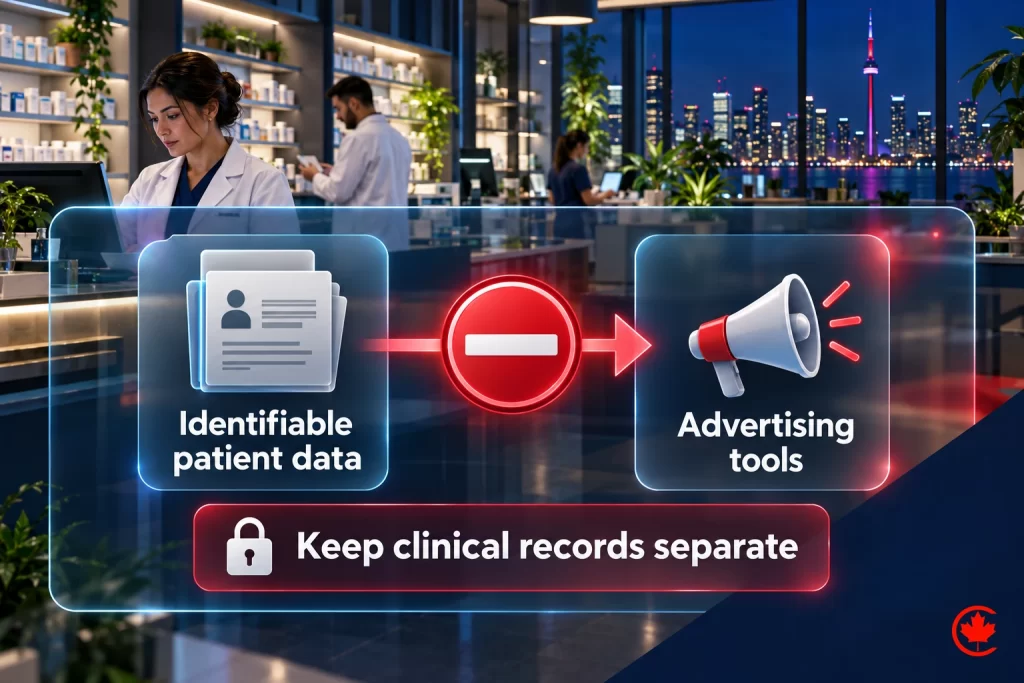
Keep identifiable prescription, refill and patient information out of ad pixels, audience uploads and general marketing analytics. Use it only within appropriately authorized pharmacy systems with suitable access and privacy safeguards. Aggregate reporting and ordinary retail information need their own privacy assessment. Promotional email or SMS needs an appropriate consent basis, sender identification and an unsubscribe under CASL.
See our pharmacy marketing agency service and healthcare advertising rules in Canada.
Frequently asked questions
Can a pharmacy in Ontario advertise that its pharmacists prescribe for minor ailments?
Yes, a pharmacy can describe minor ailment assessments and prescribing as a professional service, since Ontario expanded what pharmacists can assess in 2023. Keep the wording factual: explain which conditions the pharmacist can assess, how the appointment works, and when the patient should see a physician instead. Avoid any suggestion that the service will cure or prevent a condition.
How should a pharmacy website explain which conditions its pharmacists can treat?
Give each major service its own page and list the conditions pharmacists can assess in your province, in the words patients actually use. Say whether the assessment is publicly funded or paid privately, what to bring, and link to the provincial program page where one exists. Have a pharmacist review the page before it goes live and again whenever the provincial rules change.
What should a pharmacy's minor ailment page say for a patient asking about a UTI?
It should tell the patient plainly whether they can be assessed at your pharmacy, whether they are eligible in your province and whether walk-ins are accepted. Add what to bring, such as a health card and a list of current medications. The page also needs a clear note on when to see a physician, a nurse practitioner or emergency services instead.
What rules apply when an Ontario pharmacy advertises prescription drugs?
Public advertising of prescription drugs is limited to their name, price and quantity. The Ontario College of Pharmacists also bans loyalty or bonus points on prescriptions and professional services, and points cannot be redeemed for prescriptions. Pharmacy ads must be truthful and free of inducements that compromise professional judgement, so ask a pharmacist on staff to read each ad against OCP policy before it is published.
How can an independent community pharmacy compete with the chains for local patients?
Independents usually win on service, expertise and convenience, so market professional services such as vaccinations, medication reviews, compounding, blister packs and delivery. Build relationships with family physicians, nurse practitioners, home care coordinators and retirement residences through reliable service and a short factual information sheet. Never offer anyone something in return for directing prescriptions to your pharmacy.
How can a pharmacy reach patients who need antibiotics but have no family doctor?
Patients in that position often search for a pharmacy that can assess them, so plain service pages and a fully filled-in Google listing do most of the work. Explain which conditions a pharmacist can assess in your province and when the patient must see a physician or nurse practitioner instead. List the languages your pharmacists speak, your hours and holiday hours, and how to book.
Can automation and AI help a pharmacy with refills and patient enquiries?
Yes, secure online refill forms, transfer requests and an app take routine requests off the phone and keep patients loyal without inducements. Automated replies can answer common enquiries such as hours and booking. Pharmacists still make every clinical decision, and the system should never pass health information to analytics or ad tracking.
When should a pharmacy promote new pharmacy services through the year?
Follow the dispensary calendar and plan each season a few weeks ahead. Respiratory vaccines lead in the fall, travel health in winter and around March break, allergies and minor ailments in spring, and blister packs for families in late summer. Refresh the service page, post on your Google Business Profile and, where patients have consented, send a short email or SMS.