
How allied health clinics get more patients: occupational therapy, speech therapy, kinesiology, osteopathy and chiropody

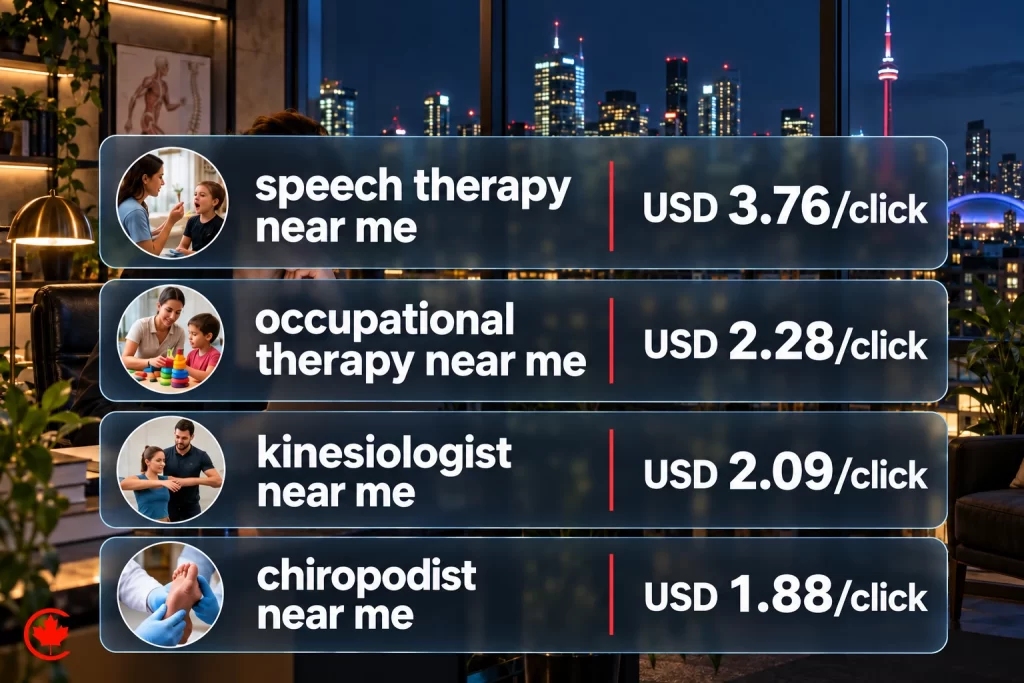
Occupational therapy, speech language pathology, kinesiology, osteopathy and chiropody are smaller disciplines with a lot in common. Patients often do not know which professional they need, and much of the work comes through referrals, insurers and programs rather than walk in searches. “Chiropodist near me” draws about 4,400 searches a month in Canada and “kinesiologist near me” about 1,600. Many people search for the problem rather than the title, so low search volume for a title does not mean demand is absent. This guide covers how these practices get found, explain what they do and build referral streams.
The common challenge: patients do not know your title
A parent worried about a child’s speech might search “child not talking at 2” before learning the title “speech language pathologist”. Someone with foot pain might begin with “foot pain when walking” rather than “chiropodist”. Your content has to meet people at the symptom or situation, then explain who helps and why.
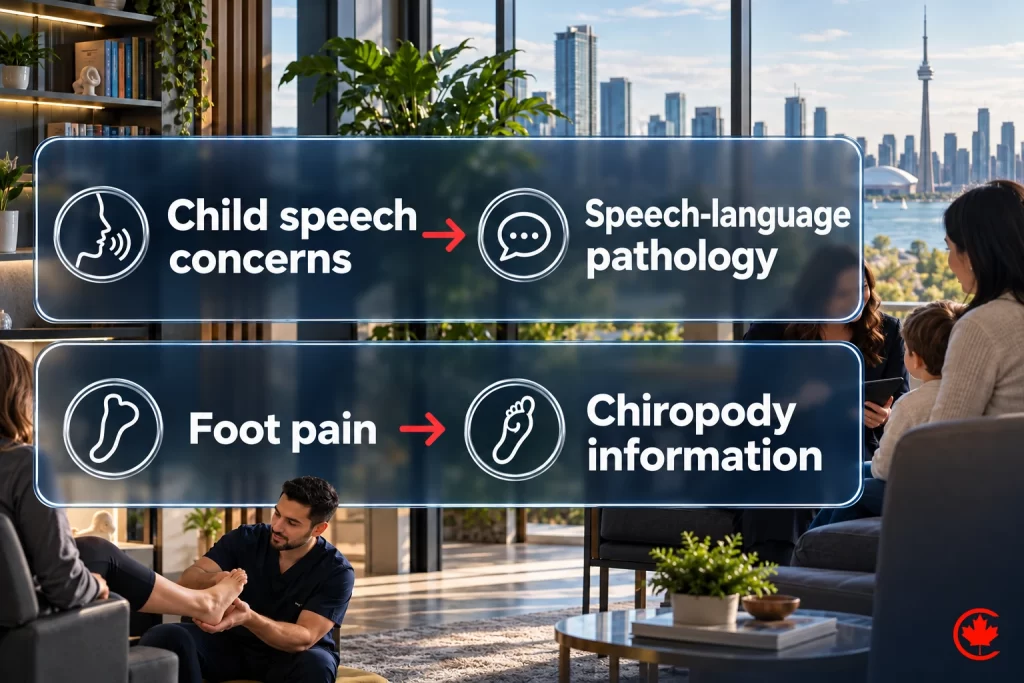
Discipline by discipline
| Discipline | Who searches | Main referral and payer sources | Content that works |
|---|---|---|---|
| Occupational therapy | Families, injured workers, older adults, parents of children with developmental needs | Auto insurers, WSIB, extended health benefits, schools, physicians | Home safety assessments, return to work, pediatric OT, ADHD and sensory support |
| Speech language pathology | Parents of young children, adults after stroke or injury | Pediatricians, schools, extended health benefits | Speech milestones, stuttering, late talkers, adult swallowing and voice issues |
| Kinesiology | People recovering from injury, older adults, athletes | Auto insurers, WSIB, physiotherapists, employers | Exercise rehab, falls prevention, active rehab after a car accident |
| Osteopathy | People with back, neck and joint pain | Extended health benefits where covered, word of mouth | What osteopathic treatment involves, coverage, practitioner training |
| Chiropody and podiatry | People with foot pain, diabetes, seniors, athletes | Physicians, diabetes programs, extended health benefits | Custom orthotics, diabetic foot care, ingrown toenails, heel pain |
We market clinics and practices within the advertising rules of each regulated health college.
Get titles and regulation right
Regulation differs by discipline and province, and getting it wrong is a compliance problem and a trust problem:
- In Ontario, occupational therapists, speech language pathologists, kinesiologists and chiropodists are regulated health professionals with their own colleges.
- In Ontario, osteopathic manual practice is not a regulated health profession, while osteopathic physicians are regulated as physicians. Describe practitioner training accurately and avoid titles that imply regulation that does not exist.
- Chiropodists and podiatrists have different scopes in Ontario. Use the title you hold.
Local SEO for smaller disciplines
- Pick the most specific primary category available and add secondary categories only for services you provide.
- Write a Business Profile description that names the problems you help with, in plain words.
- Build a page for each common problem, such as “custom orthotics in [city]” or “speech therapy for toddlers in [city]”.
- Show home visit or virtual options if you offer them. For OT and SLP, these are often deciding factors.
Build referral streams deliberately
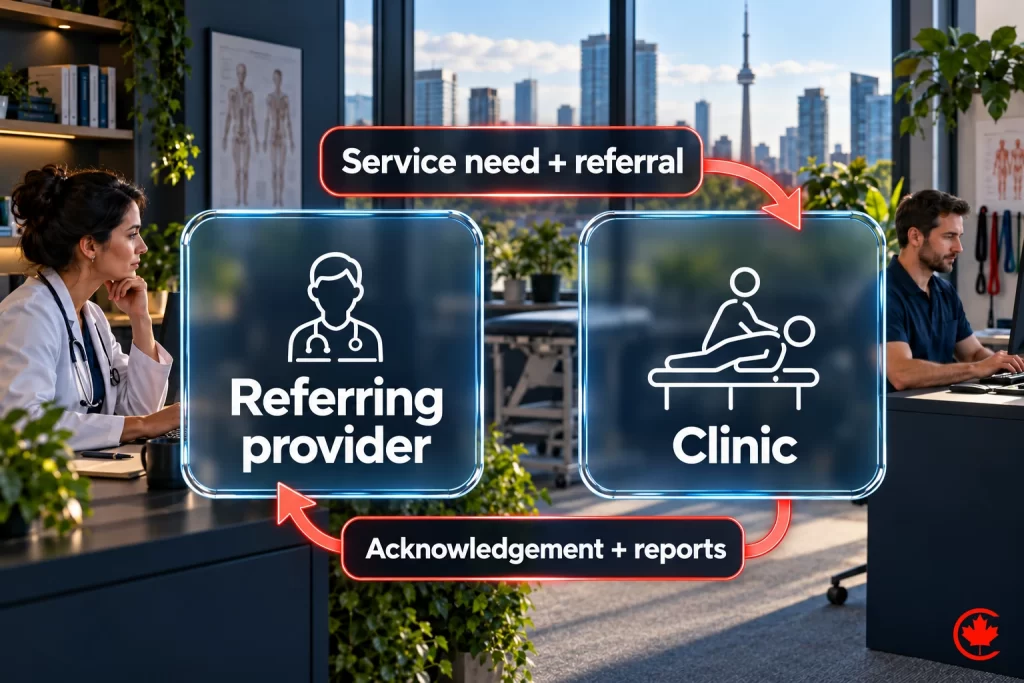
- Physicians and pediatricians: a one page summary of what you treat, how to refer and how fast you can see patients.
- Insurers and case managers: clear pages for auto and workplace injury services, with reporting timelines.
- Schools and daycares: educational sessions for staff on milestones or sensory needs.
- Other clinics: physiotherapy and chiropractic clinics often need kinesiology, OT or chiropody partners.
Never pay for referrals. Build them on service, communication and speed.
Explain coverage clearly
Coverage varies widely across these disciplines. Some plans reimburse only certain designations, some require a physician’s referral and some cover custom orthotics only under strict conditions. A coverage page per discipline, plus what to ask the plan, prevents lost bookings and awkward conversations.

Multidisciplinary clinics
If you offer several disciplines under one roof, help visitors choose with a “who should I see?” page that maps common problems to the right professional. Link each service page to the others, so patients see the full care team.
Booking and follow up
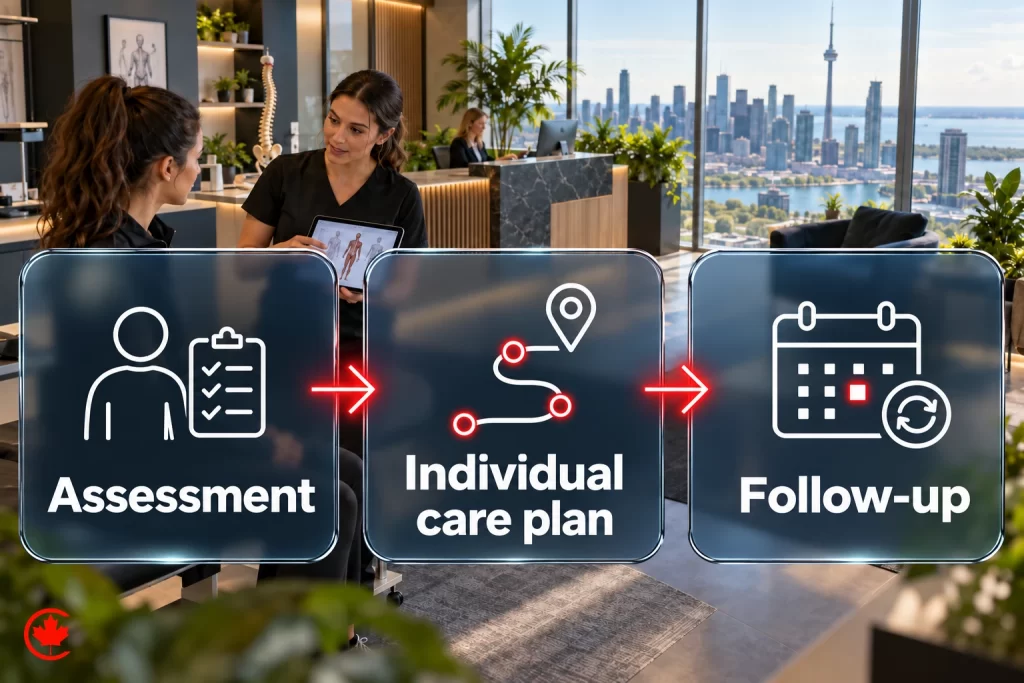
Many of these services involve assessments followed by a plan of care. Online booking, reminders and rebooking before the patient leaves keep plans on track. See online booking for clinics.
Read our guide to healthcare advertising rules in Canada and the clinic marketing guide. If you also offer physiotherapy, see how to get more physiotherapy patients. Want help? See our healthcare marketing service.
Frequently asked questions
How can an allied health clinic attract patients who do not know which professional they need?
Meet people at the symptom or situation they search for, then explain who helps and why. A parent may type "child not talking at 2" before ever hearing the title speech language pathologist, and someone with foot pain may never search for a chiropodist. Pages built around those problems bring in patients that title keywords miss.
Which local search ideas work for small allied health clinics?
Pick the narrowest primary category Google offers for your discipline, and list extra categories only where you really provide that service. Describe the problems you help with in plain words, and build a page for each common problem, such as custom orthotics or speech therapy for toddlers in your city. Show home visit or virtual options if you offer them, since they often decide the booking for OT and SLP.
How can occupational therapy and kinesiology clinics build steady referral streams?
Give physicians and pediatricians a one page summary of what you treat, how to refer and how soon you can see patients. Insurers and case managers need clear pages for auto and workplace injury services with reporting timelines, and schools respond to staff sessions on milestones or sensory needs. Never pay for referrals; earn them with service, communication and speed.
Which allied health professionals are regulated in Ontario?
Occupational therapists, speech language pathologists, kinesiologists and chiropodists are regulated health professionals in Ontario, each with its own college. Osteopathic manual practice is not a regulated health profession there, while osteopathic physicians are regulated as physicians. Describe training accurately and avoid any title that implies regulation that does not exist.
How many Canadians search for allied health services near them?
"Chiropodist near me" draws about 4,400 searches a month in Canada and "kinesiologist near me" about 1,600. Many people search for the problem rather than the professional's title, so modest title volume does not mean demand is missing. Much of the work in these disciplines also arrives through referrals, insurers and programs.
How should allied health clinics explain insurance coverage to patients?
Coverage varies widely: some plans reimburse only certain designations, some require a physician's referral and some cover custom orthotics only under strict conditions. A coverage page for each discipline, with the questions patients should ask their plan, prevents lost bookings. It also spares the front desk awkward conversations.
How can allied health practices keep patients on track with their plan of care?
Many of these services start with an assessment followed by a plan of care, so continuity matters. Online booking, reminders and rebooking the next visit before the patient leaves keep plans moving. Gaps in the plan often mean a patient quietly stops coming.
How should a multidisciplinary health clinic help patients pick the right practitioner?
Add a "who should I see?" page that maps common problems to the right professional. Link each service page to the others so patients see the whole care team under one roof. This also helps a patient who arrives for one discipline find another they need.
Can an Ontario chiropodist describe their services as podiatry?
Use the title you actually hold, because chiropodists and podiatrists have different scopes in Ontario. Getting titles wrong is both a compliance problem and a trust problem. Check your college's current rules before changing wording on your website or Business Profile.