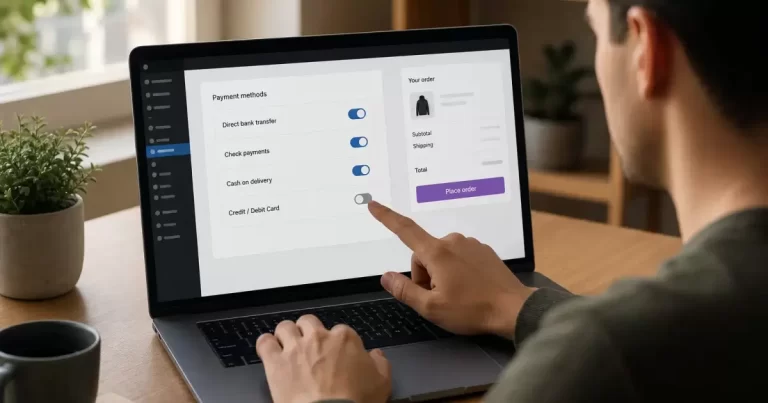
Content creators and website publishers frequently present product recommendations using highlight cards or product boxes. When these boxes contain affiliate links, the presentation must balance visual clarity with transparent claims. Relying on bloated external plugins often introduces excessive code, rigid markup, and unpredictable styling that obscures necessary notices. By using native WordPress block tools, site owners can assemble clean, mobile-responsive product cards that clearly identify commercial connections while presenting factual product specifications.
Regulatory Standards for Commercial Disclosures
In digital marketing, transparency is not merely an aesthetic choice; it is governed by consumer protection principles. Under guidance from the Competition Bureau of Canada on influencer marketing and the Competition Act, individuals and businesses promoting commercial interests must disclose all material connections. A material connection includes commissions, monetary payments, complimentary review units, discounts, or commercial affiliations that could influence how a reader evaluates editorial independence.
Disclosures must be prominent, immediate, and visible across all viewing devices. Regulatory expectations outlined in The Deceptive Marketing Practices Digest Volume 4 emphasize that consumers should not have to hunt for disclosures, scroll past relevant links, or expand hidden toggles to learn that a publisher earns revenue from a referral. Ambiguous labels such as affiliate abbreviations, short tags, or subtle icon badges do not substitute for clear, plain-language statements.
Furthermore, product descriptions must adhere to standards regarding false or misleading representations. Performance claims, baseline specifications, and pricing must reflect reality. Presenting an introductory rate that omits unavoidable supplementary costs or framing promotional claims as independent technical certifications exposes a publication to regulatory scrutiny.
Building a Product Box with WordPress Core Blocks
Constructing an affiliate box without writing custom software requires understanding WordPress core layout blocks. Using standard blocks can reduce dependencies, but still requires theme and mobile testing and avoids vendor lock-in associated with single-purpose affiliate plugins.
1. Structuring the Primary Container
Begin by adding a Group block to your page or post. Inside the block settings, assign a distinct semantic container role and define clear padding, border width, and a subtle background colour to separate the recommendation visually from standard body paragraphs. Ensure contrast ratios between text and background remain high so readers with low vision can parse every line easily.
2. Placing the Upfront Disclosure Notice
Insert a dedicated Paragraph block at the absolute top of the container, before any product imagery or compelling copy. Use unmistakable language such as Affiliate Partner: We may earn a commission if you purchase through this link. Placing this statement at the entry point of the box ensures that visitors understand the business relationship before engaging with technical claims or clicking outbound links.
3. Assembling the Media and Technical Details
Add a Columns block within the Group container to establish a balanced horizontal presentation on desktop screens:
- Visual Column: Insert an Image block containing an authentic photograph of the equipment or hardware. Populate the alternative text attribute with an objective description of the item rather than promotional slogans.
- Editorial Column: Use a Heading block (set to Level 3 or Level 4 depending on document hierarchy) to state the exact model name. Below the title, add a List block outlining verifiable technical attributes, supported operating systems, dimensions, and standard ports.
4. Creating Transparent Call-to-Action Buttons
Add a Buttons block below the technical specifications. The link target must lead directly to the vendor or merchant. Use rel=”sponsored” for paid or affiliate links; nofollow can also be included. The available link controls vary by editor and theme, so verify the saved markup rather than assuming a particular setting is present. This explicitly tells search engine crawlers that the hyperlink is commercial. For styling and hover behaviours that do not disorient visitors using keyboard navigation, review practical techniques in WordPress CSS delivery for interactive states.
5. Reuse the Layout Without Repeating Product Data
Save the product-card layout as an unsynced pattern when each insertion needs independent product names, specifications, images and destination links. A fully synced card would update those product details everywhere. A separate synced disclosure component can make shared wording easier to maintain; test its scope before changing it.
Troubleshooting Common Box Layout and Claim Issues
Even carefully assembled product boxes can exhibit display failures or compliance risks across various viewports and administrative workflows.
| Observed Issue | Technical or Structural Cause | Remediation Step |
|---|---|---|
| Disclosure hidden on mobile devices | Multi-column layouts stacking disclosure beneath imagery or below the fold. | Move the disclosure text out of side columns and place it directly inside the parent Group container above all child blocks. |
| Inaccurate pricing displayed | Manual price entries becoming outdated when vendor alters retail charges. | Avoid static pricing text unless refreshed programmatically; instead, use descriptive terms like Check current price at vendor. |
| Missing commercial link flags | Contributors pasting links directly without setting link relationship properties. | Standardize link entry protocols or use reusable block templates where default link attributes are pre-configured. |
| Accidental layout disruption by contributors | Unrestricted administrative permissions allowing non-technical authors to alter container CSS classes. | Restrict block editing permissions or manage access tiers as detailed in WordPress roles and capabilities for permission changes. |
Canada Create™ builds and optimizes WordPress sites for Toronto businesses. Tell us your goals and we will recommend the right setup.
Hypothetical Implementation: Developer Hardware Recommendation
Consider an editorial team evaluating equipment for remote software engineers, specifically a programmable mechanical keyboard. Rather than creating generic promotional banners, the team designs a product card for review to evaluate mechanical keyboards suited for dual-system software development.
The hypothetical card starts with a full-width header: Affiliate Disclosure: This product was purchased by our editorial team; qualifying purchases generate a referral commission. Below this header, the layout presents the hardware name, a verified list of switch types, onboard memory capabilities, and firmware compatibility with Linux and macOS. Instead of making subjective declarations such as The absolute fastest keyboard on earth, the text reads: Features hot-swappable switches and dual-profile onboard macro storage. The action button explicitly reads View keyboard specifications at manufacturer with complete sponsored link metadata.
Pre-Publication Affiliate Card Checklist
- Container possesses an explicit visual boundary separating it from general editorial content.
- Disclosure statement appears at the very top of the card before any commercial hyperlinks.
- Disclosure wording explicitly mentions financial commission or material ties in plain language.
- All specifications and claims are factually verifiable without exaggeration or unsubstantiated superlatives.
- Commercial buttons carry an appropriate sponsored link relationship, with nofollow optionally included.
- Visual layout collapses cleanly on narrow mobile viewports without truncating text or obscuring notices.
- No interactive toggles or nested menus hide necessary pricing conditions or disclosures.
Frequently Asked Questions
What is an affiliate product box?
A box showing a product’s image, key features, price and affiliate link.
Do affiliate boxes need a disclosure?
Yes, clearly near the link.
Can I show prices?
Only if they update automatically or note the date checked.
Who can manage affiliate content?
Our affiliate marketing team.