
How veterinary clinics get more clients in Canada

Pet owners search often and urgently. In Canada, “vet near me” draws an estimated 90,500 searches a month, “emergency vet near me” about 18,100 and “veterinary clinic” about 12,100. Clinics that grow are easy to find, easy to book, clear about what to expect and good at keeping every pet on schedule for wellness visits, vaccines and dental care. This guide covers how veterinary clinics attract new clients and keep them for the life of the pet.
How many pet owners search for a vet
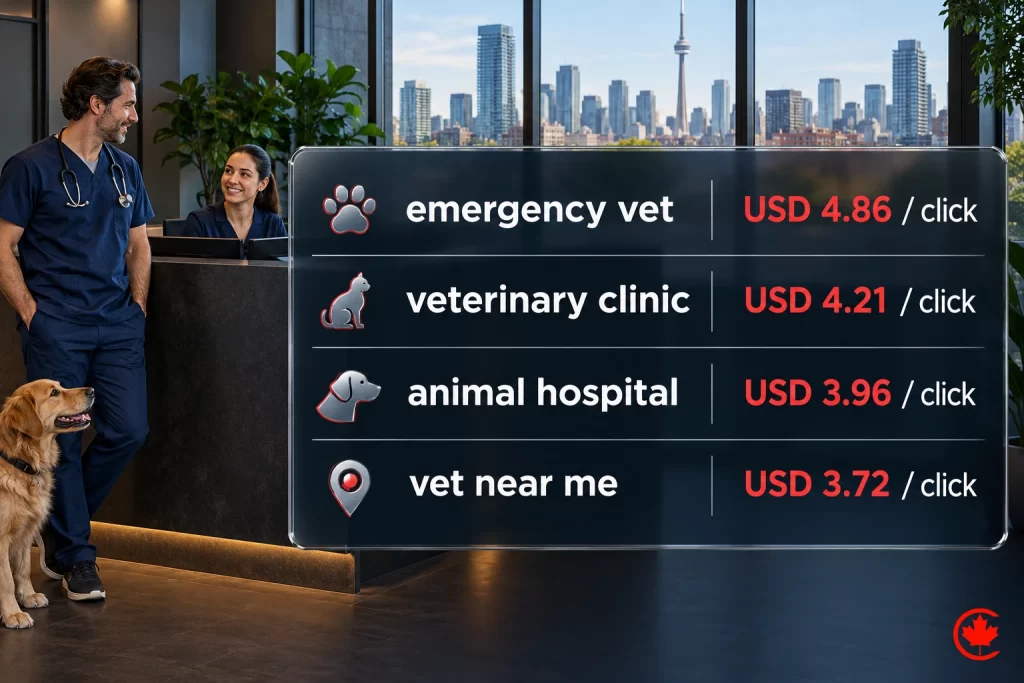
| Search | Estimated monthly searches in Canada | Relative cost per click |
|---|---|---|
| veterinary clinic | 12,100 | Highest of the three |
| emergency vet near me | 18,100 | In the middle |
| vet near me | 90,500 | Lowest of the three |
We plan and run veterinary marketing for clinics and practices in Toronto and across Canada, scoped in writing after a free review.
These are estimated monthly averages of searches, not counts of pet owners or bookings. The three terms sit close together on cost per click, and actual campaign costs vary by city, competition and how well the ads and landing pages match the search.
Win the map pack
- Choose “Veterinarian” or “Animal hospital” as your primary category, and list services: wellness exams, vaccines, dental, surgery, diagnostics, exotics if you see them.
- Show accurate hours, and be very clear whether you handle emergencies and when.
- Add photos of the team, exam rooms and happy patients, with owners’ consent.
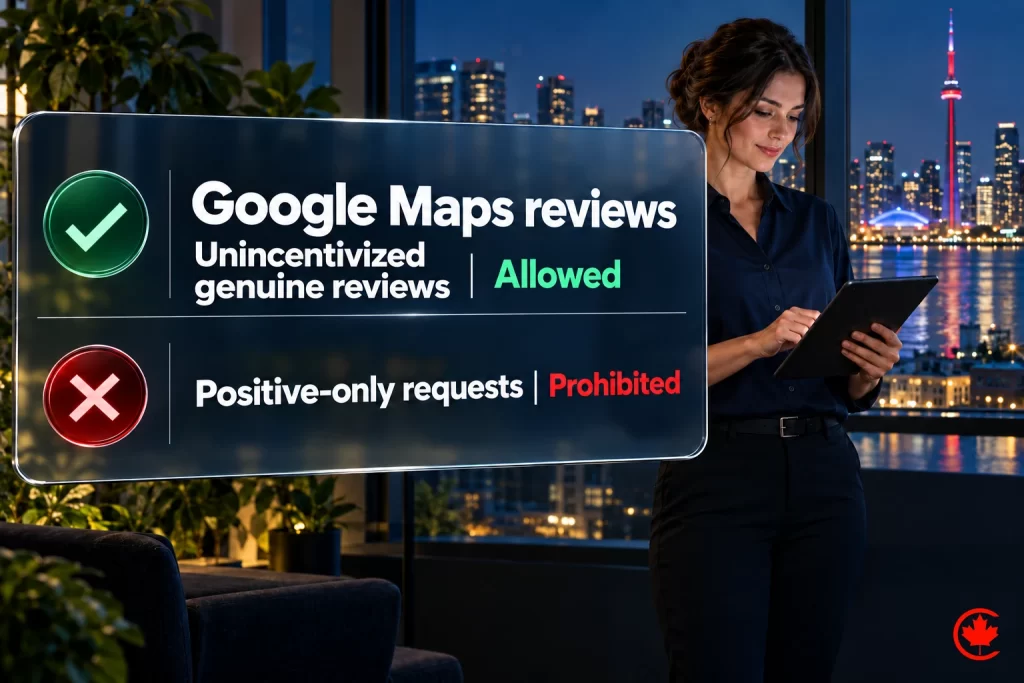
- Invite honest reviews without selecting only positive visits or offering incentives. Follow your regulator’s rules and reply with care, especially after a difficult outcome, without sharing confidential details.
Be clear about emergencies
“Emergency vet near me” is a high stress search. If you are not an emergency hospital, say so clearly and tell owners where to go after hours. That honesty builds trust and keeps reviews fair. If you do offer emergency or urgent care, make the phone number and hours impossible to miss.
Pages that turn searches into bookings
| Page | What it should cover |
|---|---|
| New clients | How to register, what to bring, records transfer and what the first visit includes |
| Puppy and kitten care | Vaccine schedules, spay and neuter timing and first year plans |
| Senior pet care | Wellness screening and comfort care |
| Dental care | Why it matters and what a dental procedure involves |
| Fees and payment | How you charge, estimates for procedures and pet insurance information |
Keep every pet on schedule
Reminders for vaccines, wellness exams, parasite prevention and dental checks are the backbone of clinic revenue and pet health. Send them by email and text with consent under CASL, offer online booking from the reminder, and follow up with clients who are overdue.
Content pet owners search for
- Seasonal guides: ticks and Lyme disease, winter paw care, summer heat safety.
- Toxic foods and plants, with what to do in an emergency.
- When to see a vet versus wait and watch.
- Pet insurance basics in Canada.
How to make online booking work for a vet clinic
Many pet owners look for a clinic in the evening, after work, when the front desk is closed. If they can see open appointments and book on the spot, the clinic gets the visit. If they have to call back the next day, many will book wherever they can.
- Offer the visit types that suit self booking. Wellness exams, vaccine appointments, nail trims and new client visits work well online. Sick visits, surgery and dental procedures usually need a call so the team can triage and prepare an estimate.
- Ask the right questions up front. Species, breed, age, reason for the visit and whether the pet has been seen elsewhere. Ask for records from the previous clinic at the same time.
- Confirm and remind. Send a confirmation right away and a reminder before the appointment, with directions, parking and what to bring.
- Link booking everywhere. Put the booking button on the home page, every service page, the Google Business Profile and every reminder message.
- Protect the schedule. Limit how far ahead and how many slots can be booked online, so urgent cases still fit in.
Watch where people drop out of the booking flow. A form that asks for too much before showing available times loses people at the first screen.
What makes a new client come back
A new client is only valuable if they return. The first visit sets the tone for the life of the pet, so plan it like a process rather than leaving it to chance.
- Before the visit. Send a welcome message with what to expect, the forms to fill in and how to transfer records.
- During the visit. Explain findings in plain words, give a written summary and a clear estimate before any treatment, and set the next reminder before the client leaves.
- After the visit. Follow up a day or two later, especially after vaccines or a procedure, and invite questions.
- Book the next visit. Booking the next wellness exam or dental check before the client leaves is easier than winning them back later.
- Ask for feedback. Ask every client how the visit went, and invite those who were happy to leave an honest review.
Clients who feel listened to forgive a wait in the lobby. Clients who feel rushed or surprised by the bill tend to leave quietly and say so in reviews.
How to tell which marketing brings new clients
Clinics often know how many new clients registered last month but not where they came from. A few habits answer that question.
- Add a “How did you hear about us?” field to new client registration and to the practice management software, and have the front desk confirm it on the first call.
- Track calls from the website, Google Business Profile and ads separately, since many owners still phone to book.
- Tag links in emails, social posts and ads with UTM tags so analytics shows which campaign brought each booking.
- Measure booked new clients and visits kept, not clicks or page views.
- Review the numbers monthly with the practice manager and adjust spend toward the channels that bring clients who stay.
Over time the records also show the value of retention. A clinic that knows how many clients come back for a second year can see whether reminders, follow up calls and new client care are working.

Local partners that send pet owners your way
Pet owners ask people they already trust for a vet recommendation. Groomers, dog trainers, boarding and daycare businesses, pet stores, breeders and rescue groups all meet new pet owners, often before those owners have chosen a clinic.
- Introduce yourself in person and leave a simple card with your hours, emergency policy and how to book.
- Offer to give a short talk at a puppy class or rescue adoption day on topics such as vaccines, parasite prevention or choosing pet insurance.
- Keep a list of trusted local businesses you are happy to recommend to your own clients. Referral relationships work best when they go both ways.
- Thank partners when they send someone, and follow your regulator’s rules on referral arrangements.
Add a “referred by” option to the new client form so you can see which partners send the most new clients.
Advertising rules
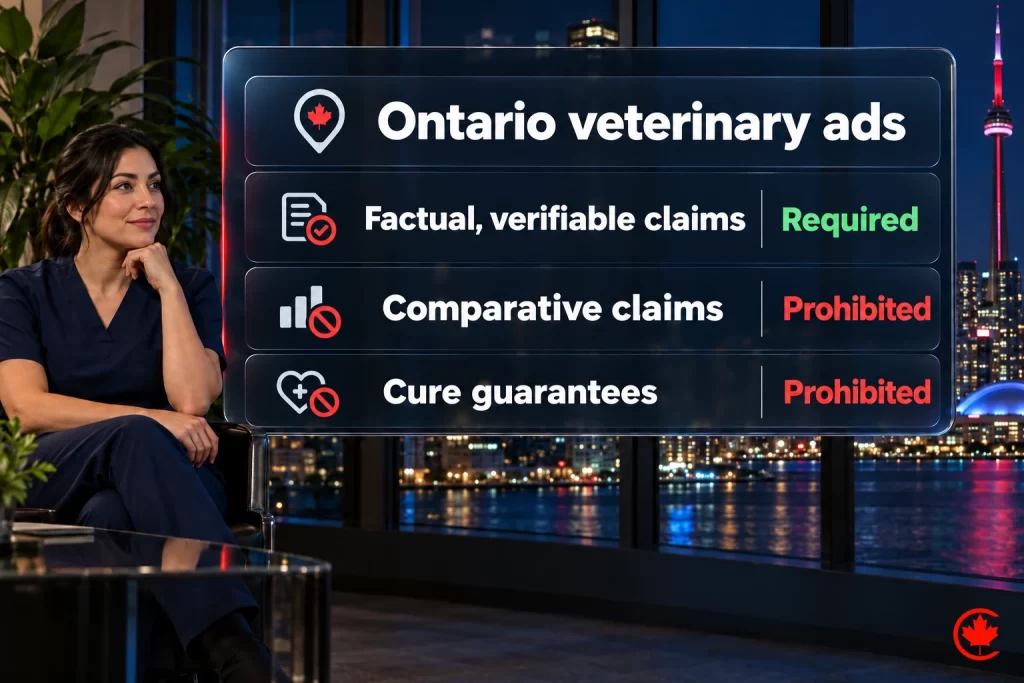
Veterinarians are regulated by provincial bodies such as the College of Veterinarians of Ontario, which set professional standards that include advertising. Keep claims accurate and fees complete. Ontario’s standard also prohibits comparative and superlative statements, so substantiation alone does not make those claims acceptable. Check the rules in your province.
Google Ads and social media
These three searches cost less per click than many professional services terms, but affordability depends on local campaign costs and the cost of each booked new client. Social media works well for veterinary clinics, since pet photos and team stories naturally attract engagement. Always get owner consent before posting a patient.
See our veterinary marketing service, online booking for clinics and the clinic marketing guide.
Frequently asked questions
What marketing works for a veterinary clinic trying to win new clients?
Clinics that grow are easy to find, easy to book and clear about what to expect at the first visit. That means a strong Google Business Profile, pages for new clients, puppy and kitten care, senior pets and dental care, and online booking for visits that suit it. Reminders keep each pet on schedule for wellness, vaccines and dental checks after the first visit.
What educational content should a vet clinic give pet owners?
Write about what pet owners already search for, such as ticks and Lyme disease, winter paw care, summer heat safety, and toxic foods and plants with what to do in an emergency. Guides on when to see a vet versus wait and watch, and on pet insurance basics in Canada, also help. The same material works as handouts at the front desk and as talks at puppy classes.
Why do reminders matter so much to a veterinary clinic's revenue?
Reminders for vaccines, wellness exams, parasite prevention and dental checks are the backbone of both clinic revenue and pet health. Send them by email and text with CASL consent and include an online booking link in each one. Follow up with clients who are overdue, and book the next visit before the client leaves the clinic.
How does a vet clinic show up for veterinary clinic searches on Google Maps?
Choose "Veterinarian" or "Animal hospital" as the primary category and list services such as wellness exams, surgery, diagnostics and exotics if you see them. Keep hours accurate, add photos of the team and exam rooms, and post patient photos only with the owner's consent. Invite honest reviews from every client without picking only happy visits or offering incentives.
How should a vet clinic handle emergency searches if it is not an emergency hospital?
Say clearly that you are not an emergency hospital and tell owners where to go after hours. Emergency searches happen under high stress, and that honesty builds trust and keeps reviews fair. If you do offer emergency or urgent care, make the phone number and hours impossible to miss.
How should a veterinary clinic present its fees to cost conscious pet owners?
Add a fees and payment page explaining how you charge, how estimates work for procedures and what to know about pet insurance. Give a clear written estimate before any treatment, since clients who are surprised by the bill tend to leave quietly and say so in reviews. Regulators such as the College of Veterinarians of Ontario expect fees in advertising to be complete.
Should a vet clinic let pet owners book online after hours?
Yes for visit types that suit self booking, such as wellness exams, vaccines, nail trims and new client visits. Many owners look for a clinic in the evening when the front desk is closed, and if they cannot book on the spot they often go elsewhere. Sick visits, surgery and dental procedures usually need a call so the team can triage, and limiting online slots keeps room for urgent cases.
Can a veterinary clinic advertise itself as the best vet in town?
In Ontario, the College of Veterinarians of Ontario standard prohibits comparative and superlative statements, and substantiating them does not make them acceptable. Other provinces have their own regulators and standards. Keep claims accurate and fees complete, and confirm the current wording with your provincial college before an ad goes live.
How can an independently owned vet clinic get referrals from local pet businesses?
Groomers, trainers, boarding and daycare businesses, pet stores, breeders and rescue groups meet new pet owners before many have chosen a clinic. Introduce yourself, leave a card with hours, emergency policy and booking details, and offer short talks at puppy classes or adoption days. Add a "referred by" option to the new client form and follow your regulator's rules on referral arrangements.
How many people in Canada search for a vet each month?
"Vet near me" draws an estimated 90,500 searches a month in Canada, "emergency vet near me" about 18,100 and "veterinary clinic" about 12,100. These are monthly averages of searches, not counts of pet owners or bookings. Actual ad costs vary by city, competition and how well ads and landing pages match the search.