
How to market a funeral home with dignity: a guide for Canadian funeral homes

Funeral homes have always grown through trust: families return to the home that cared for their parents and recommend it to friends. That still matters most. But families now search online, read reviews and compare prices, even in the first hours after a death, and pre planning families research carefully for weeks. Marketing a funeral home today means being present and helpful in those moments without ever feeling like selling. This guide explains how to do it with dignity, within the rules that apply in Canada.
Start with what families need
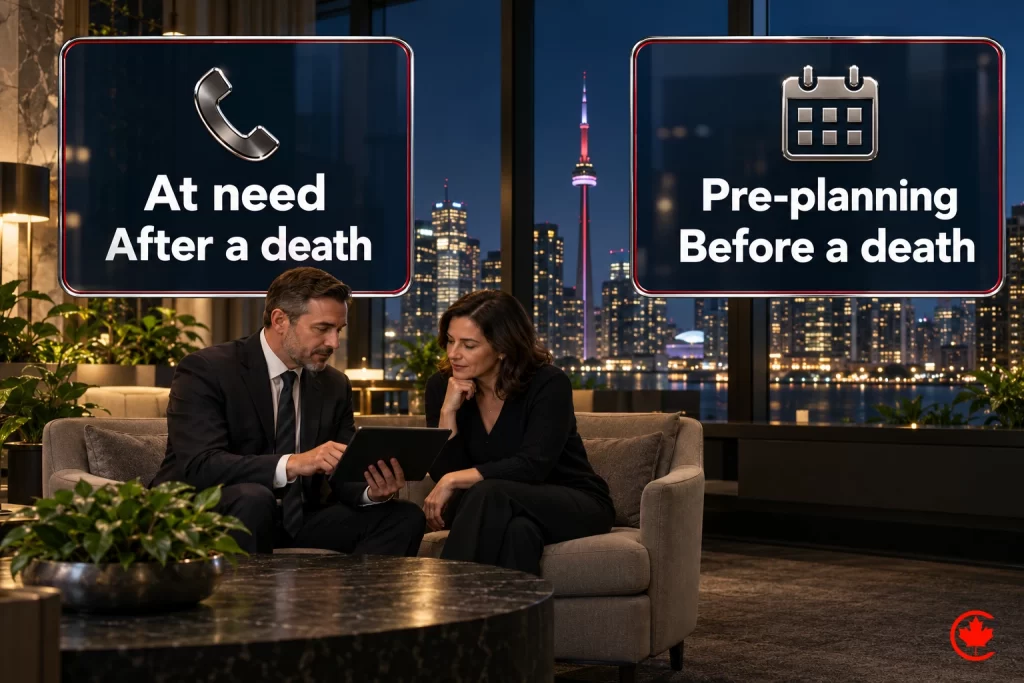
Two very different groups contact a funeral home.
At need families have just lost someone. They need a person who answers at any hour, clear explanations of their options, honest prices and reassurance that their loved one will be cared for respectfully. They rarely compare many homes; often they call one or two.
Pre planning families are planning ahead for themselves or a parent. They research, ask questions, compare options and take their time. They want information, not pressure.
Your marketing serves both by being calm, clear and available. Everything that follows builds on that.
Know the rules first
Funeral services are regulated provincially, and the rules shape marketing. In Ontario, the Bereavement Authority of Ontario (BAO) licenses funeral homes, transfer services and cemeteries under the Funeral, Burial and Cremation Services Act, 2002. Key points for marketing:
- Ontario operators who use a website to promote licensed supplies or services must display their price list clearly, free of charge and in printable form, without requiring contact details or agreement to terms.
- Families must be told before signing a contract if advertising will appear alongside their loved one’s obituary or death notice on the funeral home’s website.
- Contracts must be in plain language, and pre need contracts carry specific protections.
- Unsolicited approaches to grieving families are restricted.
Other provinces have their own regulators and rules. Check current requirements on the BAO website or with your provincial regulator.
Define how you are different
Many funeral home websites say the same things: compassionate, family owned, serving the community for generations. Those may all be true, but families need specifics to choose. Consider what genuinely sets you apart:
- Facilities: chapel capacity, reception space, on site crematorium, parking, accessibility.
- Services: direct cremation, green burial, cultural and religious traditions you serve regularly, livestreaming, repatriation.
- People: funeral directors’ backgrounds and languages spoken.
- Approach: personalized celebrations of life, pet friendly services, aftercare programs.
Be easy to find in local search
When someone searches “funeral home near me” or “cremation services,” the map results usually appear first. Your Google Business Profile should have your real business name, the right categories, accurate hours, a phone number answered 24 hours a day, photos of your facilities and genuine reviews. Keep it updated when anything changes.
Invite reviews gently. A short note in an aftercare message weeks after the service, thanking the family and inviting feedback if they wish, is appropriate. Never ask in the first days of grief, and never offer anything in exchange. Reply to every review with care and without sharing private details. Our local SEO service helps funeral homes with this.
Build a website that comforts and informs
Many people visit funeral home websites late at night, on a phone, in distress. The site must be calm and simple:
- An immediate need path: “If a death has occurred” at the top of every page, with a phone number answered 24 hours a day and simple next steps.
- Service pages: burial, cremation, memorial and celebration of life, green burial and cultural traditions, each explaining options plainly.
- Prices: your price list, presented clearly, as your province requires.
- Obituaries: dignified pages with service details, livestream links and condolences.
- Pre planning: information, a planning guide and a request form.
- About and staff: real photos and introductions.
- Grief resources: local support groups and helpful reading.
Accessibility matters: many visitors are older adults. Use readable fonts, good contrast and clear navigation, and build to WCAG standards. See our funeral home marketing service for how we build these sites.
Price transparency builds trust
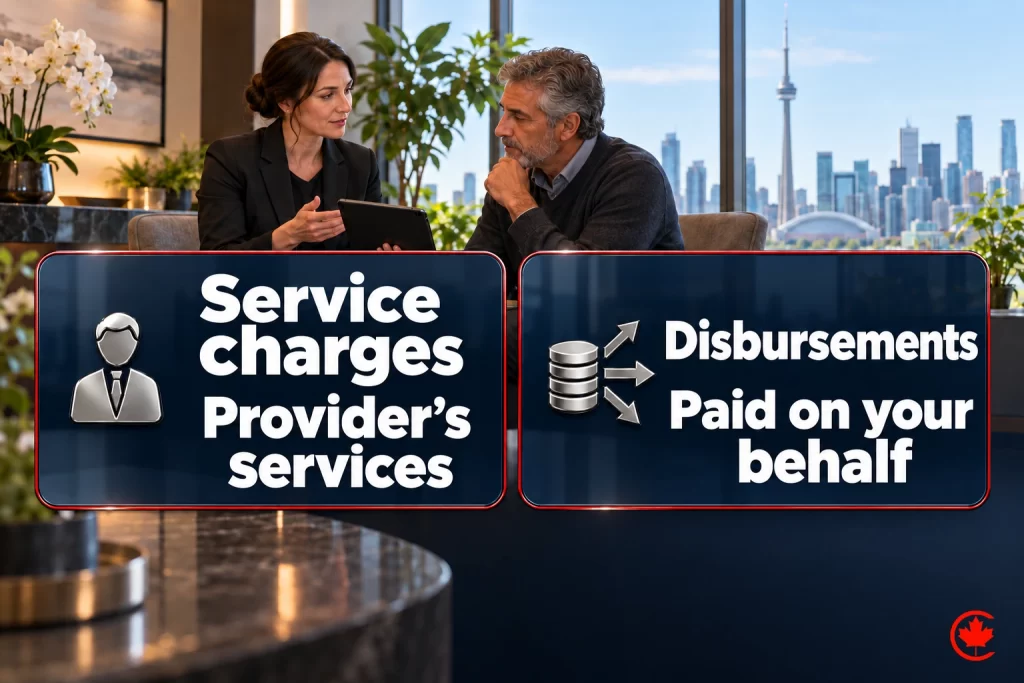
Families increasingly expect to see prices before calling. Publish the full price list where your provincial rules require it. Starting-price explanations for services such as direct cremation can help families understand options alongside that list. Explain what each package includes and what costs come from third parties such as cemeteries, clergy, flowers or newspaper notices. Avoid discount language for at need services; it feels wrong to grieving families and undermines trust.
Treat obituaries as a service
Obituary pages are often the most visited pages on a funeral home website. Make them beautiful and easy to share: photos chosen by the family, service details, livestream links, a condolence book and memorial video tributes produced with the family’s direction. They serve families and friends first, and they also bring many visitors who may remember your home later. Follow the rule that families must be told before signing if any advertising will appear alongside their loved one’s obituary, and keep those pages free of distractions.
Grow pre planning thoughtfully
Pre planning is where proactive marketing belongs. People plan ahead to record their wishes and spare their families difficult decisions. Helpful approaches:
- A free planning guide or checklist families can download or request.
- Information sessions at community centres, libraries, retirement residences and places of worship, where you are invited.
- Clear website pages explaining pre arrangement, payment options and the consumer protections that apply.
- A consent based newsletter with planning tips and community events. Commercial email must follow CASL: consent, sender identification and an unsubscribe.
- Respectful social media content aimed at adults planning for themselves or helping parents.
Never pressure. Families who feel rushed will go elsewhere and tell others.
Use advertising with care
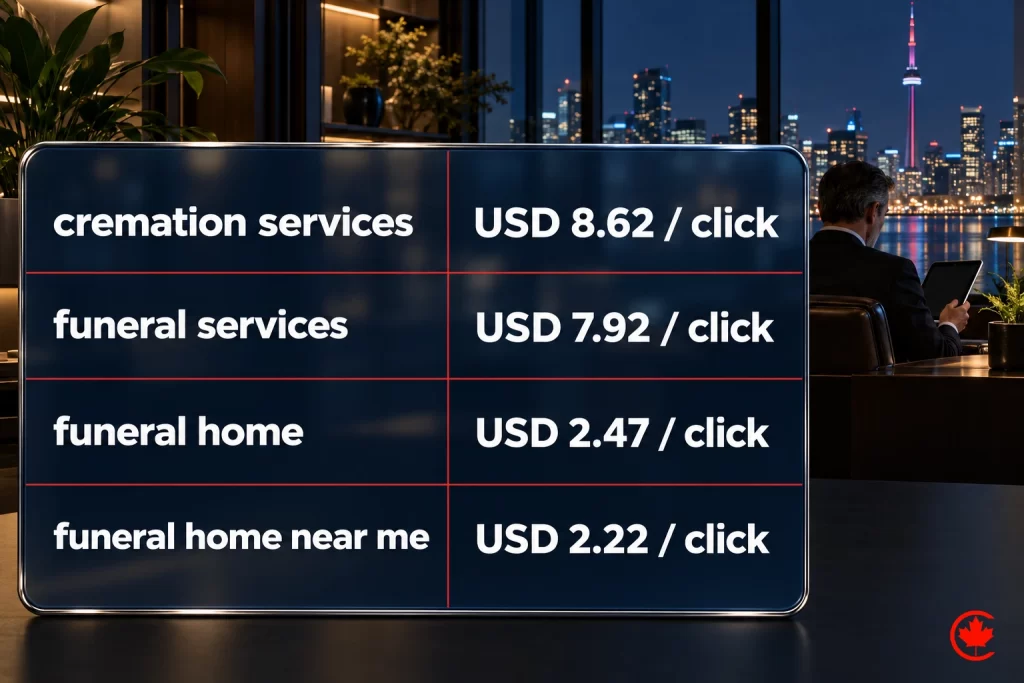
Search ads can help families who search for cremation or funeral services find your clear, helpful pages. Keep ads calm and accurate, send people to the right service page with your phone number, and avoid any targeting based on illness, death or other sensitive personal information. Social media ads work best for pre planning and community events, not for at need services. See our Google Ads service.
Stay present in the community
Funeral homes are community institutions. Many families choose based on the home’s local presence:
- Support hospices, palliative care programs and grief support groups.
- Host memorial events, such as holiday remembrance services, for families you have served.
- Build relationships with clergy, cultural associations and seniors’ organizations.
- Sponsor local events in a way that fits your role.
Share these activities on your website and social media; they show who you are better than any advertisement.
We plan and run funeral home marketing for funeral homes in Toronto and across Canada, scoped in writing after a free review.
Aftercare keeps relationships alive
Care continues after the service. Aftercare programs (grief resources, anniversary notes, memorial events and help with practical matters such as estate checklists) support families and keep your relationship warm. Families who feel cared for afterwards return and recommend you. Keep aftercare messages separate from promotional ones and follow consent rules.
Protect privacy
Families share sensitive information with you. Never put health or personal details into analytics events, ad audiences or remarketing. Get permission before sharing photos or stories, including in tribute videos. Train staff to respond to online reviews without disclosing private details.
Measure what matters
- Calls and inquiries by source, tracked without sensitive details.
- Pre planning inquiries and appointments.
- Obituary page visits and condolence activity.
- Reviews and their themes.
- Families served who came through referrals.
Serve diverse faiths and cultures
Canada’s communities include families from many faiths and cultural traditions, each with specific needs for preparation of the deceased, timing, ceremonies and memorialization. If your funeral home regularly serves particular traditions, describe the services you provide accurately, introduce staff who speak relevant languages and build relationships with community and religious leaders. Families want to know their traditions will be understood and respected; honest, specific information gives them that confidence.
Explain cremation options clearly
More families now choose cremation, and many do not understand the options. Clear pages help: direct cremation without a service, cremation with a memorial or celebration of life, cremation after a traditional funeral, and choices for remains such as urns, scattering, columbaria and burial. Explain what is included, what costs come from third parties and any time requirements under your province’s rules. Families who understand their choices feel more in control during a difficult time.
Train staff for every first call
The first call is often a family’s first contact with your funeral home. Whoever answers, day or night, sets the tone. Train every staff member and answering service to respond calmly, gather the essential information, explain the next steps simply and confirm when someone will follow up. A warm, competent first call is the most important marketing moment a funeral home has.
Common funeral home marketing mistakes
- Outdated hours or phone numbers online.
- Prices that are hard to find or unclear.
- Busy, cluttered websites that are hard to use on a phone.
- Advertising alongside obituaries without telling families before they sign.
- Discount or urgency language for at need services.
- Asking for reviews too soon after a loss.
- Neglecting obituary pages, which many people visit.
Plan for generational change
Many families who were loyal to one funeral home for decades now have adult children who research online first. They read reviews, compare prices and look for options their parents may not have considered, such as celebrations of life or green burial. Funeral homes that welcome these changes, explain options clearly and keep traditions respected for those who want them will continue to earn trust across generations.
Livestreams and virtual services
Many families now expect the option to livestream a service for relatives who cannot travel. If you offer livestreaming, explain how it works, how links are shared privately or publicly at the family’s choice, and whether recordings are available afterwards. Present it on service pages and obituary pages as part of your care, not as an upsell. Reliable technology and a staff member who manages the stream make a meaningful difference to families spread across provinces and countries.
Share what makes your team trustworthy
Families want to know who will care for their loved one. Introduce your funeral directors and staff on your website with photos, years of service, languages spoken and their approach to families, shared with their permission. Mention the licences your staff hold where your province requires them. A short message from the owner about the home’s values helps families feel they are dealing with people, not a business.
Offer helpful resources, not sales material
Families often search for practical help after a death: what to do first, how to register a death, how to notify government agencies and banks, how to write an obituary, how to plan a celebration of life. Publishing clear, accurate guides on these topics, with a note to check current requirements in their province, helps families when they need it most. It also shows your expertise and care, and people remember the funeral home that helped them understand what to do.
Keep resources free of sales language and easy to print or share with relatives.
Keep information accurate everywhere
Families in distress have no patience for wrong phone numbers or outdated hours. Review your Google profile, directory listings, website and social profiles regularly, and update them immediately when staff, services, prices or locations change. Make sure the phone number on every listing reaches someone at any hour. Accuracy is a quiet form of respect, and families notice it.
Check obituary and service details carefully before publishing; a wrong date or misspelled name causes real hurt.
A 90 day plan
Days 1 to 30: review your Google Business Profile, check that your phone is answered 24 hours a day, publish or update your price list and add a clear immediate need path to your website.
Days 31 to 60: rewrite service pages in plain language, improve obituary pages, create a pre planning guide and set up consent based email.
Days 61 to 90: schedule a pre planning information session, start a gentle review invitation in aftercare messages and review inquiries by source. For broader visibility, see our SEO service.

Frequently asked questions
How do I advertise a funeral home in a respectful way?
Start with local search, since families searching for a funeral home near them usually see map results first. List the funeral home on Google under its real name, with correct categories, current hours, a phone line answered around the clock and real photos of the facilities. Calm search ads that lead to the right service page can help, while social ads fit pre-planning and community events better than at-need services.
What advertising ideas suit a funeral home's community role?
Many families choose a funeral home because of its local presence, so community work often does more than ads. Support hospices, palliative care programs and grief groups, host remembrance services for families you have served, and build ties with clergy, cultural associations and seniors' organizations. Share those activities on your website and social channels, since they show who you are.
Which funeral service trends should a funeral home's marketing reflect?
More families choose cremation, and many want celebrations of life, green burial or a livestream for relatives who cannot travel. Adult children often research online first, reading reviews and comparing prices their parents never looked at. Explain these options plainly on your website while keeping traditional services clearly available for families who want them.
Does an Ontario funeral home have to show its prices online?
Ontario operators that promote licensed supplies or services on a website must display their price list clearly, free of charge and in printable form, without asking for contact details first. Explain what each package includes and which costs come from third parties such as cemeteries, clergy, flowers or newspaper notices. Avoid discount wording for at-need services, and check the current requirements with the Bereavement Authority of Ontario.
How can a funeral home describe what sets it apart?
Replace general words like compassionate and family owned with specifics families can compare. Name your facilities, such as chapel capacity, reception space, parking and accessibility, and the services you offer, such as direct cremation, green burial, livestreaming or repatriation. Mention the languages your directors speak and the cultural or religious traditions you serve regularly.
How should funeral homes market pre-planning services?
Pre-planning is the right place for proactive marketing, as long as it never feels pushy. Offer a planning guide, hold information sessions where you are invited, such as libraries or retirement residences, and explain pre-arrangement, payment options and consumer protections on your website. A newsletter needs consent under CASL, with sender identification and an unsubscribe in every message.
What rules apply when a funeral home in Ontario markets itself?
The Bereavement Authority of Ontario licenses funeral homes, transfer services and cemeteries under the Funeral, Burial and Cremation Services Act, 2002. Families must be told before signing if advertising will appear beside a loved one's obituary on the funeral home's website, and unsolicited approaches to grieving families are restricted. Other provinces have their own regulators, so check the current rules with yours.
Can a funeral home use Google Ads to reach families?
Yes, search ads can help people looking for cremation or funeral services find a clear, helpful page. Keep the wording calm and accurate, send each ad to the matching service page with your phone number, and never target people based on illness, death or other sensitive information. Keep health and personal details out of analytics events, ad audiences and remarketing lists.