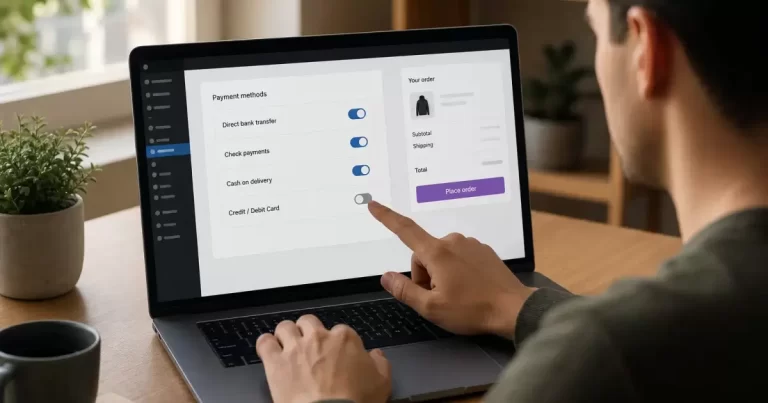

When content teams decide to duplicate an entry in WordPress, they generally aim to solve one of two distinct editorial problems. In the first scenario, a writer wants to use an established article structure, formatting layout, or styling choices as a blueprint for an entirely new piece of content. In the second scenario, an editor needs to perform an extensive overhaul of a live page without exposing fragmented, in-progress edits to public visitors or search engine crawlers while the work takes place.
Conflating these two goals can create severe maintenance issues, broken site architecture, and content collisions. Standardizing an editorial process requires understanding the functional difference between generating a distinct independent draft and staging changes destined to overwrite a live URL.
The Core Difference: Separate URL vs. Staged Overwrite
Duplicating content to create a fresh post means the final document will live at a new, distinct permalink. It serves an independent purpose, targets its own search intent, and maintains separate taxonomy terms. By contrast, an update workflow keeps the public post active while staging revisions behind the scenes. When those revisions are complete, the rewrite tool applies the modified content to the original post, replacing the old text rather than publishing the rewrite as an unrelated second article.
WordPress core does not include a single universal button to clone posts across all installations. While editors frequently use plugins for this task, the manual route remains straightforward: one can open an existing post in the Block Editor, select all blocks, and copy them directly into a blank draft. However, if layout rendering errors occur during manual block copying, reviewing common WordPress block editor issues can help isolate whether custom theme scripts or incompatible blocks are interfering with clipboard data.
Staging Major Updates Without Taking Articles Offline
Editing a published post directly inside the editor carries risks for high-traffic sites. An editor may accidentally apply unfinished changes by selecting the update action. Agree on where unfinished work belongs before starting a substantial rewrite. To address this, specialized tools provide a dedicated revision process.
According to Yoast’s documentation on its Rewrite & Republish feature, the Yoast Duplicate Post plugin allows users to hover over a title in the Posts list and select "Rewrite & Republish." This action generates a duplicate working draft while keeping the original post live for visitors. Writers can refine copy, adjust media, and reformat sections over time. Once the edits are complete, selecting the republish option prompts a comparison screen showing side-by-side changes before the updates merge into the live URL immediately or on a scheduled date.
This staged approach ensures that editorial approvals, styling reviews, and peer revisions occur in an authentic editorial environment without requiring unpublishing or external drafting documents.
Managing Collaboration Races and Overwrite Conflicts
While staged rewriting safeguards public-facing pages, it introduces an internal operational risk known as an editorial collision or collaboration race. When an editor creates a duplicate working copy of a live article, the original post still exists independently in the WordPress database.
If a team member spots a factual error, fixes a typo, or updates an affiliate tag directly on the original live post while someone else is working on the staged rewrite, those live tweaks risk being erased. When the staged version is republished, changes made to the original in the meantime can be lost. Compare those interim adjustments with the working copy before completing the rewrite.
To prevent lost work, publishing teams should enforce clear communication guidelines:
- Flag articles undergoing an overhaul in editorial communication channels or project boards.
- Designate an explicit owner for the revision to avoid parallel edits.
- Check the revision history of the live post immediately prior to merging a rewrite to confirm no minor emergency patches were applied in the interim.
Auditing Metadata and Elements on Independent Clones
When the objective is instead to create a brand-new post using an existing one as a structural template, an entirely different set of technical checks is required. Duplicating an article often pulls forward underlying post meta, custom fields, and hidden settings that should not carry over to an unrelated article.
Failing to inspect these settings can cause canonical tag errors, indexation problems, and broken user interfaces. Before publishing a post created from a clone, an editor must carefully audit several critical areas.
| Element | Risk if Left Unchecked | Recommended Action |
|---|---|---|
| Slug / Permalink | Cloned drafts often append numbers (e.g., -2) to the original slug. |
Manually adjust the permalink structure to reflect the new article’s exact focus. |
| Canonical URLs | SEO plugins may clone an explicit custom canonical pointing to the old URL. | Verify that the canonical tag defaults to the new permalink or matches the new target. |
| Embedded IDs | Contact forms, jump links, or gallery blocks may reference old IDs. | Check that each referenced form, gallery and anchor is intended for the new article; reuse is sometimes correct. |
| Social Meta Tags | OpenGraph titles and social image overrides may remain from the template. | Update social sharing previews to avoid displaying the original post’s imagery. |
| Categories & Tags | Inherited classifications can clutter archives and trigger accidental feeds. | Strip irrelevant taxonomies and apply only tags specific to the new draft. |
Canada Create™ builds and optimizes WordPress sites for Toronto businesses. Tell us your goals and we will recommend the right setup.
Deciding Which Method Fits Your Goal
Choosing the correct workflow comes down to URL intent. If the objective is to refresh outdated steps, update screenshots, or restructure an existing guide that already possesses search ranking equity and external links, an in-place rewrite workflow is appropriate. It prevents downtime and allows for structured editorial review before replacing the old text.
If the objective is simply to retain a complex multi-column layout, callout styling, or recurring table structures for an entirely separate subject, manual block copying or generating a clean new draft is safer. Keep the new item as a draft until its content and metadata have been reviewed independently.
Frequently Asked Questions
How do I duplicate a page in WordPress?
Use a duplicate post plugin, or in the block editor copy all blocks into a new page.
Does duplicating pages hurt SEO?
Only if near-identical pages are published. Rewrite content and change titles before publishing.
Can I duplicate Elementor pages?
Yes, save as a template or use Elementor’s duplicate option.
Who can build page templates for my site?
Our WordPress development team creates reusable templates.