
Launching a nonprofit website with a small team requires clear roles, simple workflows, and long-term continuity. When volunteer turnover occurs or staff priorities shift, unorganized websites become difficult to manage. This guide outlines how to plan, build, test, and hand over a sustainable WordPress site with clear responsibilities for staff, volunteers and any outside specialists.
1. Secure Core Account Ownership and Infrastructure
Before installing software, establish administrative control under organization-owned accounts. Register the domain and hosting under organization-controlled accounts, and check how the host provides and renews the HTTPS certificate. Use an organizational recovery address rather than a volunteer’s personal inbox. Record who manages account recovery so another authorized person can take over. Choose a maintained theme that supports the editing tasks your team needs. Review its recent updates and test a sample programme page before building the whole site. Ensure your hosting dashboard includes an active SSL certificate to protect visitor communications and allow encrypted form submissions across the entire domain.
2. Structure User Roles and Editorial Access
Managing operational access correctly protects your site from unintentional configuration breaks. According to the WordPress roles and capabilities documentation, the Administrator role holds full site control over all single-site administration tasks, while an Editor can write, manage, and publish content, including posts created by other users.
Assign administration to designated people and establish a backup administrator or recovery route for absences. Everyday content contributors should receive Editor or Author permissions. Restricting volunteer access avoids accidental changes to theme templates, site settings, or active plugins while still allowing seamless updates to announcements, resources, and articles.
3. Prioritize Service Users Over Donor Appeals
Many organizations direct their primary homepage space entirely toward fundraising. However, community members looking for direct support, food pantries, or educational programs need immediate clarity. Position your mission statement, service descriptions, eligibility criteria, and direct contact details prominently on the homepage.
A proposed structure includes three direct pathways: “Get Support,” “Volunteer,” and “Donate.” Placing eligibility rules front and centre prevents unnecessary intake calls and respects the time of vulnerable community members. When you configure forms, separate service requests from financial contributions. If you also collect online contributions, consult our guide on how to add and verify a PayPal donate button in WordPress to ensure the workflow functions without overshadowing critical public services.
4. Build Pages Using Core WordPress Blocks
Start with the native WordPress block editor and test whether its Paragraph, Heading, List and Button blocks cover your initial content. Add other tools only when they solve a specific requirement. Standardize your layout across core pages: About Us, Programs, Contact, and Get Involved.
Maintain an obvious heading hierarchy by using a single H1 for the page title, followed by H2s and H3s for sub-sections. Keep typography choices minimal and legible. Ask a staff member to update a programme date and contact link using the proposed layout. Use that exercise to identify training needs and simplify awkward editing steps.
5. Perform Basic Accessibility Checks
Your programs should be reachable by everyone, including people using assistive technology. As outlined in the W3C Web Accessibility Initiative Easy Checks, preliminary accessibility checks help identify foundational barriers through quick reviews of page titles, text contrast, zoom behaviour, and image alternative text, though they do not replace a comprehensive accessibility audit.
Review image alternatives according to their purpose; informative images need useful descriptions, while purely decorative images may need empty alt text. Ensure form fields feature clear visible labels instead of disappearing placeholder text. Navigate through menus using only the keyboard Tab key to verify that every interactive button receives a visible focus indicator and can be activated without a mouse.
6. Configure and Test Donation Workflows
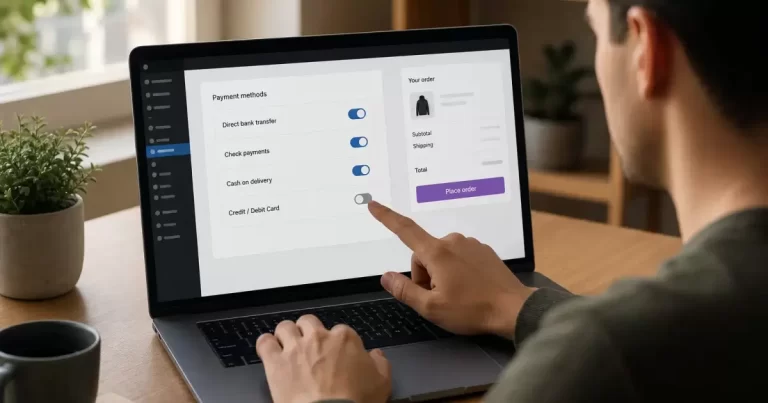
Online giving tools must be tested thoroughly before public launch. Connect your chosen payment gateway using its documented sandbox or test mode. Submit a simulated transaction to verify that the form processes inputs, displays a clear confirmation message, and delivers confirmation emails correctly.
Never assume an automated payment notification qualifies as an official tax deduction document. Have the people responsible for your organization’s donation records confirm which receipts the chosen system should issue and what they must contain. Clarify these details internally before publishing any claims regarding tax deductibility on your donation confirmation page.
7. Protect Data With Backups and Preserve Old Links
Data loss can disrupt an organization’s work. The WordPress advanced backup documentation explains that backing up an installation requires saving both your website files—including core files, themes, and media uploads—and the MySQL database where content and comments reside.
Schedule automatic hosting or plugin backups before launching. Store copies in an offsite location like secure cloud storage. If you are replacing an older website, inventory existing URLs, keep useful addresses where possible and map moved content to relevant replacements with 301 redirects. Do not redirect all legacy URLs to the homepage, as visitors searching for specific past programs or resource forms will find that disorienting and unhelpful.
8. Establish Routine Maintenance and Handover Procedures
A website launch is complete only when operational handovers are documented. Prepare a simple handover document recording hosting logins, primary administrator credentials, active plugin purposes, and privacy policies. Store this document in a shared organizational vault accessible to leadership.
Assign specific monthly maintenance duties to designated staff members:
- Apply and test minor WordPress core, theme, and plugin updates in a staging environment.
- Verify that all contact and volunteer submission forms send test notifications successfully.
- Download and confirm the integrity of offsite database and file backups.
- Check public pages for broken links or outdated service schedules.
By scheduling these concrete tasks, your team preserves website security and ensures consistent public service over the long term.
Before announcing the launch, have the backup operator complete one routine edit from the handover instructions alone. Revise any unclear step while the original project team is still available to answer questions.
Frequently Asked Questions
What pages does a nonprofit website need?
Home, about, programs, impact, donate, volunteer, events, news and contact.
Should nonprofits use WordPress?
Yes, it is flexible, affordable and easy for staff to update.
How do we hand over a nonprofit site to volunteers?
Provide training, documented logins and a maintenance plan.
Who builds nonprofit websites in Canada?
Our website design team.