
What Does a Media Buyer Do, and When Should You Hire One?
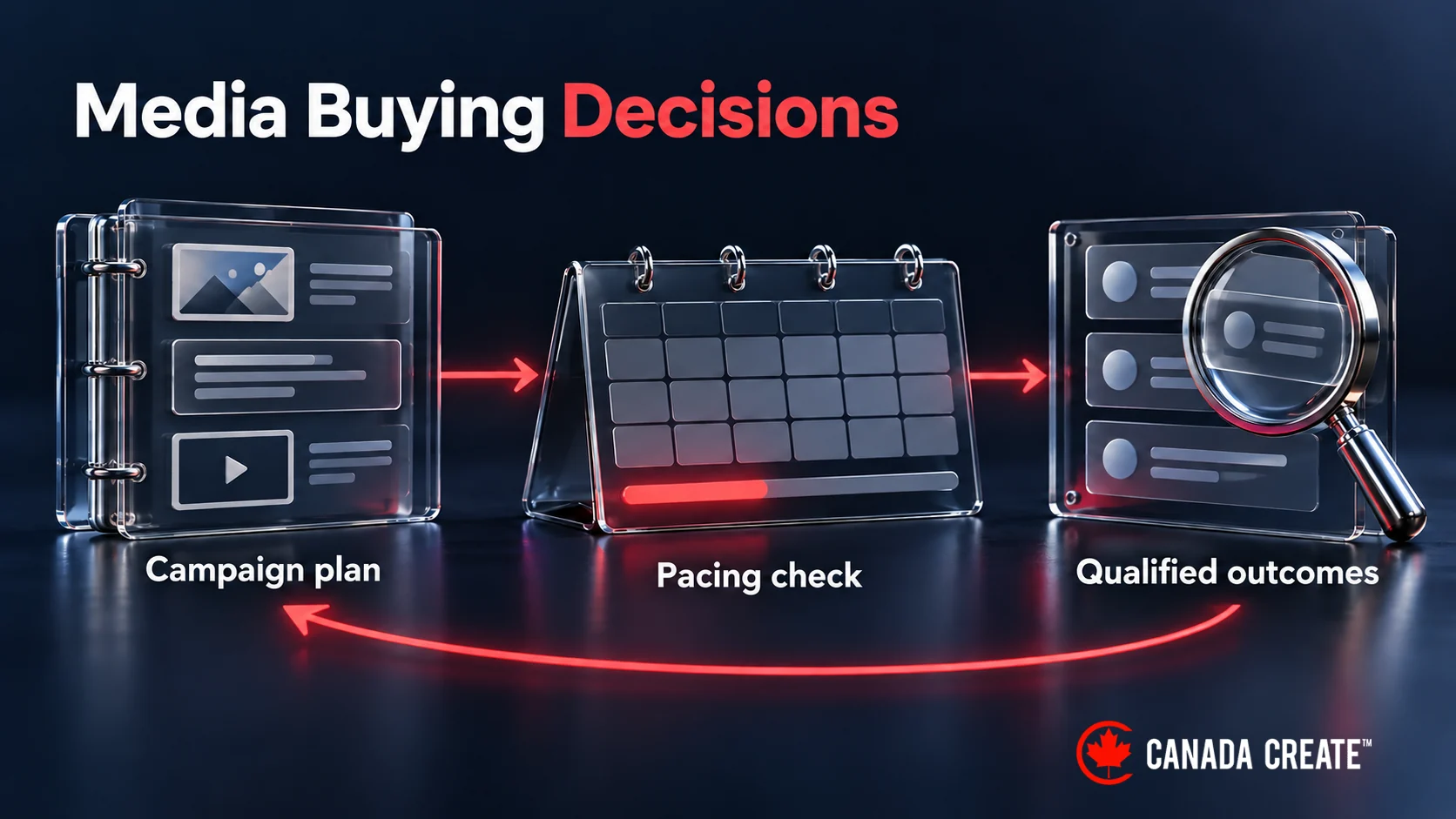
A media buyer plans where advertising runs, manages bids and pacing, checks measurement, and evaluates results across the agreed channels. An experienced in-house marketer can do those jobs too. The decision is usually about available time, specialist skills, oversight and the work the business needs. Negotiated publisher deals are a separate buying route, not an automatic discount on self-serve advertising. Google Search, for example, uses an ad auction.

Why This Question Comes Up Before a Bigger Decision
Before outsourcing, identify the actual gap. Is nobody checking conversion quality? Is the team short of time to maintain campaigns? Is the offer unclear, or is the approved budget too small for the question being tested? A dedicated buyer may help with campaign work, but the assignment should match the problem.
At Canada Create, this question comes up most often from marketing directors who have been running ads in-house for a year or two, hit a performance plateau, and are not sure whether the answer is more training, more budget, or an actual media buyer. The framing below helps separate those three causes before spending on any of them.
The Signals That Tell You It Is Time to Act
Check these gaps before deciding how to staff the work:
- Acquisition costs have risen. Check changes in competition, offer, tracking, conversion delay, creative and sales handling before attributing the movement to bidding.
- The channel allocation has not been reviewed. Ask whether the current mix still fits the audience and objective. A new inventory type needs a business reason and a funded test.
- Buying routes and fees are unclear. Separate auction-based ads from negotiated publisher or programmatic deals. Ask what access is actually included, which costs are disclosed and who owns the accounts.
- Reports stop at impressions and clicks. Connect those diagnostics to the intended outcome. Blended CPM alone cannot tell you whether suitable customers are arriving.
What Most Canadian Businesses Get Wrong Here
Media buying covers allocation, bid strategy, pacing, inventory selection and measurement. Creative and landing-page work are connected but need clear owners. A buyer should be able to explain when a weak result calls for an ad test, a targeting review, a tracking repair or better follow-up.
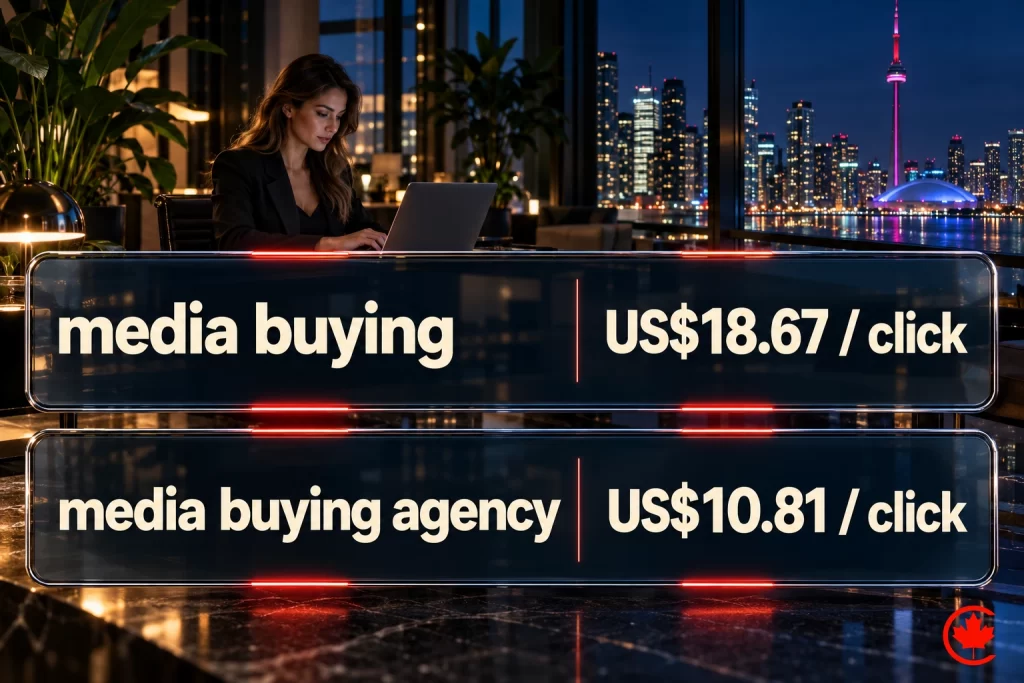
A cheaper click does not repair a broken enquiry form or an offer people do not want. Inspect the destination and the sales process alongside the media reports. Clickthrough rate and acquisition cost are influenced by several parts of the journey; neither identifies a single cause on its own.
A Practical Framework or Checklist
| Step | What you do | Why it matters |
|---|---|---|
| 1. Define the gap | Review campaign work, measurement and team capacity | Shows which skills or hours are missing |
| 2. Check the buying route | Identify auction inventory, negotiated deals and all fees | Tests any access claim against the proposed work |
| 3. Inspect the full customer path | Check ads, landing pages, tracking and response | Separates confirmed faults from hypotheses |
| 4. Compare delivery options | Price the in-house, outsourced or shared scope | Makes responsibilities and total costs comparable |
We plan and buy media across search, social and display with transparent reporting.
Sometimes this review shows that the real issue is landing page conversion, not media buying. In that case hiring a media buyer would not solve the actual problem, and it is better to know that before spending on it.
What a media buyer does in a typical week
The job is less about launching campaigns and more about the steady checking and adjusting that keeps them on track. A typical week includes:
- Pacing checks. Comparing spend to date against the monthly or flight budget for each channel, and adjusting daily budgets so money is not used up too early or left unspent.
- Search term and placement reviews. Looking at which searches, sites, apps and videos ads actually appeared on, then excluding the ones that do not fit the brand or the offer.
- Bid and audience adjustments. Reviewing bid strategy targets, audience lists and location settings against recent conversion data, with enough data behind each change to avoid reacting to noise.
- Creative rotation. Spotting ads that have run long enough for performance to fade and asking the creative team for new versions.
- Tracking checks. Making sure conversion tags still fire, offline conversions still upload and nothing on the website has broken the measurement.
- Reporting and notes. Recording what changed and why, so results can be read against the changes later.
On a longer cycle, the buyer reviews channel allocation, plans tests for the next quarter and works with sales or operations to check whether the leads or customers coming in are the right ones.
Questions to ask before hiring a media buyer
Whether you hire a person, a freelancer or an agency, the answers to these questions show how the work will be done and who stays in control.
- Who owns the ad accounts? The business should own its ad accounts, analytics and tag manager, with the buyer given access. That keeps the data and history with you if the arrangement changes.
- Which channels will you manage, and why those? A good answer ties the channel choice to your audience, offer and budget, not to what the buyer prefers to run.
- How is media spend handled? Ask whether spend is billed directly by the platforms to your card or passed through, and whether any markup applies.
- What will you change in the first month? Expect an audit of tracking, account structure and search terms before large changes.
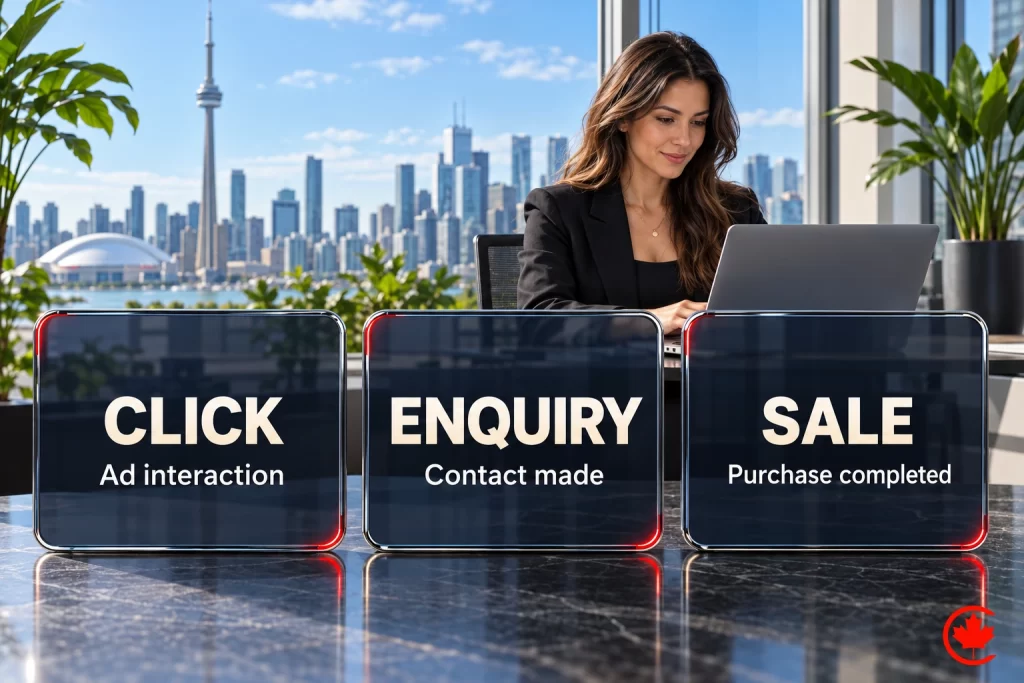
- How will results be measured? Agree on the business outcome, such as qualified leads, booked calls or sales, and how it is tracked, before campaigns start.
- Who handles creative and landing pages? Make sure each part of the work has a named owner.
What a useful media buying report shows
A report full of impressions, clicks and click through rates can look busy while saying little about the business. A useful report answers a short list of questions.
| Question | What to look for |
|---|---|
| Did we spend as planned? | Spend by channel against budget, with reasons for any gap |
| What did the spend produce? | Leads, sales or bookings, ideally checked against the CRM or sales records |
| What did each result cost? | Cost per qualified lead or per sale, by channel and campaign |
| What changed and why? | A short log of changes to bids, budgets, audiences and creative |
| What happens next? | The tests and changes planned for the coming period |
Ask for platform numbers and business numbers side by side. Platforms count conversions in their own way, and the totals rarely match the CRM exactly. A buyer who explains the gap and works to close it is more useful than one who reports platform numbers alone.
Skills to look for in a media buyer
Platform certificates show that someone has studied the tools. They say less about judgment. When you interview a buyer, look for evidence of these skills:
- Measurement first. They ask how conversions are tracked before they talk about bids or budgets.
- Clear reasoning. They can explain why they would choose one channel or bid strategy over another for your situation, and what would make them change course.
- Comfort with small tests. They propose tests with a clear question, a budget and an end date rather than large changes all at once.
- Business sense. They ask about profit per sale, sales capacity and customer value, because those decide what a lead or sale is worth.
- Plain communication. They explain results without jargon and say plainly when something did not work.
Ask them to walk you through a past account, with client details removed: what they found, what they changed and how they knew whether it helped.
When You Are Ready for the Full Decision
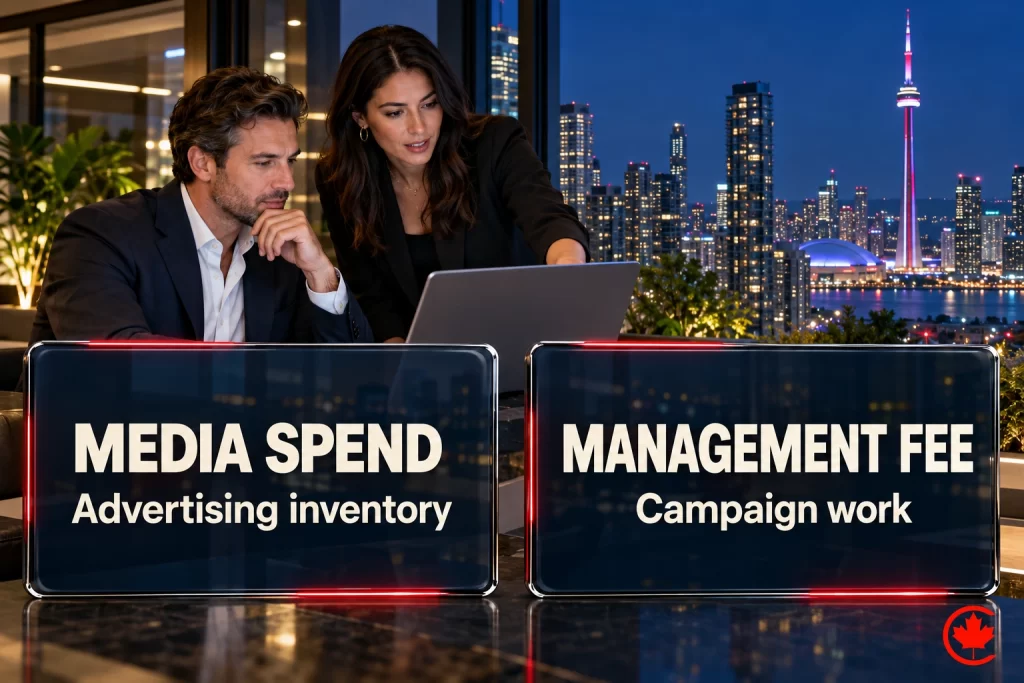
Our media buying service explains the work we can discuss. After discovery, a written proposal sets out scope and fees before work starts. Media spend is paid to the platforms separately from the management fee. For the wider staffing decision, compare an agency retainer with an in-house hire.
Frequently asked questions
What are a media buyer's responsibilities for a business's advertising?
A media buyer plans where advertising runs, manages bids and pacing, checks measurement and evaluates results across the agreed channels. Creative and landing pages are connected to the job but need their own named owners. An experienced in-house marketer can do the same work, so the choice usually comes down to time, specialist skills and oversight.
How does a media buyer work from week to week?
Most of the job is steady checking. A buyer compares spend to date with each channel's budget, reviews search terms and placements to exclude poor fits, adjusts bids and audiences against recent conversion data, and asks for fresh creative when ads fade. They also confirm conversion tags still fire and log every change so results can be read against it later.
What is an example of how media buying works?
Google Search ads are bought through an ad auction, where bids and settings decide when an ad shows. Negotiated deals with publishers, or programmatic deals, are a separate buying route and not an automatic discount on self-serve ads. A buyer should be able to say which route each part of your budget uses and what fees apply.
What does media buying cover in a marketing plan?
It covers channel allocation, bid strategy, pacing, inventory selection and measurement. A good buyer can tell when a weak result needs an ad test, a targeting review, a tracking repair or better follow-up from sales. Clickthrough rate and acquisition cost are shaped by the whole journey, so neither points to one cause on its own.
When should a business hire a media buyer?
Identify the actual gap first. Rising acquisition costs, a channel mix nobody has reviewed, unclear buying routes and fees, or reports that stop at impressions and clicks are all signals worth checking. Sometimes the review shows the problem is landing page conversion, and a media buyer would not fix that.
How do you find a good media buyer to hire?
Look past platform certificates to judgment. Good candidates ask how conversions are tracked before talking about bids, explain why one channel suits your situation, propose small tests with a budget and an end date, and ask about profit per sale and customer value. Ask them to walk you through a past account with client details removed.
How can you tell whether a digital media buyer's reports are useful?
A useful report shows spend by channel against budget, the leads, sales or bookings it produced, and the cost of each result. It also logs what changed and why, and lists the next tests. Platform numbers and business numbers should appear side by side, with the buyer explaining why platform conversion totals rarely match the CRM.
Who should own the ad accounts when you work with a media buyer?
The business should own its ad accounts, analytics and tag manager, with the buyer given access. Ask whether platforms bill media spend directly to your card or whether it is passed through, and whether any markup applies. With Canada Create, media spend goes to the platforms separately from the management fee, and that fee is quoted in writing after discovery.
Will a media buyer fix Meta ads that bring clicks but no customers?
Not if the problem sits after the click. A cheaper click does not repair a broken enquiry form or an offer people do not want. Inspect the landing page, tracking and sales follow-up alongside the media reports before hiring anyone to change bids.