
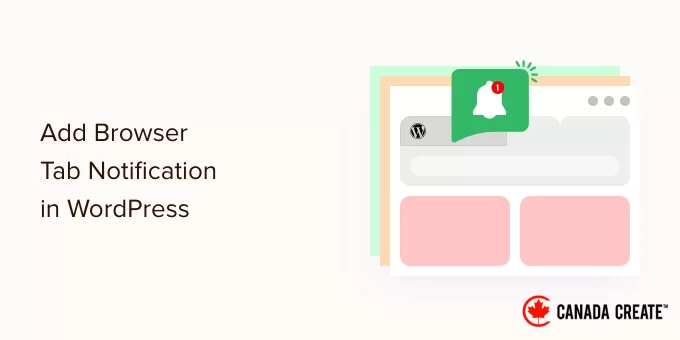
Browser tab notifications are a simple but effective way to bring distracted visitors back to your website. When someone opens another tab, this feature can quietly remind them that your page is still open and worth returning to.
This technique is subtle, lightweight, and useful for many types of websites. It can help recover lost attention, reduce abandoned sessions, and encourage users to finish an action they started.
In this tutorial, you will learn how to add browser tab notifications in WordPress using different approaches, including notification counters, favicon changes, and custom tab title messages.
Quick Answer: Best Way to Add Browser Tab Notifications
The safest and easiest method is to use WPCode. It lets you add custom snippets to WordPress without editing theme files directly, which reduces the risk of errors and makes the setup easier to manage.
In this guide, we cover three popular notification styles:
- Type 1: Show a number in the browser tab title to simulate a new update or unread activity.
- Type 2: Replace the site favicon with a different image when the visitor switches tabs.
- Type 3: Change the page title to a custom message that encourages the user to come back.
What Is a Browser Tab Notification?
A browser tab notification is a visual change that appears in the tab title or favicon when a visitor is no longer actively viewing your page. Instead of relying only on on-page elements, this feature works in the browser tab itself to regain attention.
You can use browser tab notifications to show a short message, simulate an unread alert, or change your tab icon. The goal is to make the tab stand out when the visitor is browsing somewhere else.
This can be especially helpful for online stores, lead generation pages, checkout flows, pricing pages, and landing pages where visitors are likely to leave before completing an action.
For example, you might remind shoppers about an unfinished purchase, highlight a limited-time offer, or simply encourage them to return and continue reading.
Below, we will walk through multiple ways to add this feature in WordPress.
What This Guide Covers
- Install WPCode to add browser tab notifications safely
- Type 1: Show a notification count in the browser tab
- Type 2: Change the favicon when the visitor leaves the page
- Type 3: Replace the page title with a custom return message
- Bonus: Use web push notifications for more advanced re-engagement
- Frequently asked questions
Install WPCode to Add Browser Tab Notifications
The easiest way to add browser tab alerts in WordPress is by using custom code. Although some people add code directly to theme files, that method is riskier because even a small mistake can cause problems on the site.
A better option is to use WPCode. It is designed to help you insert code snippets safely without editing core theme files manually.
Start by installing and activating the WPCode plugin in your WordPress dashboard.
Note: WPCode also offers a free version that works well for this setup. The paid version includes extra features, but you do not need them for the core functionality shown in this tutorial.
After activation, go to Code Snippets » + Add Snippet in your WordPress admin area.
Hover over the custom code option and click the button to create a new snippet.
Next, choose the appropriate snippet type depending on the notification style you want to add. In the examples below, some methods use JavaScript snippets and one method includes markup plus script together.
Once you are on the snippet creation screen, you can paste the code, choose where it should load, activate the snippet, and save it.
Type 1: Show a Notification Count in the Browser Tab
This method is useful when you want the tab to look active, as if your site has received a new update. The browser tab title will display a growing number, which can create the impression that something new is waiting for the user.
This style is commonly seen on major platforms that use unread counts or activity indicators to pull users back.
To create this effect, add a new snippet in WPCode and choose JavaScript Snippet as the code type.
Then paste the following code into the snippet editor:
let count = 0;
const title = document.title;

function changeTitle() {
    count++;
    var newTitle = '(' + count + ') ' + title;
    document.title = newTitle;
}

function newUpdate() {
    const update = setInterval(changeTitle, 2000);
}

document.addEventListener('DOMContentLoaded', newUpdate);
This snippet starts updating the tab title after the page loads and adds a number in front of the original title. It is a simple way to create an attention-grabbing notification effect.
After pasting the code, scroll to the Insertion section and choose Auto Insert. For this method, the code can remain in the Site Wide Header location.
Then switch the snippet from inactive to active and save it.
Once enabled, your browser tab will begin showing the changing count automatically.
Type 2: Change the Favicon as a Browser Tab Notification
This option changes your site icon when the user moves away from the tab. Because favicons are small but visually noticeable, this can be a useful way to make your tab stand out among many open tabs.
To add this version, create another custom snippet in WPCode and choose JavaScript Snippet if your setup supports mixed script output properly, or use the same snippet area where markup and script are accepted together.
Then paste the following code:
<script>
var iconNew = 'https://example.com/wp-content/uploads/2022/10/favicon-notification.png';

function changeFavicon() {
    document.getElementById('favicon').href = iconNew;
}

function faviconUpdate() {
    const update = setInterval(changeFavicon, 3000);
    setTimeout(function() {
        clearInterval(update);
    }, 3100);
}
</script>
To make this work on your own website, replace the image URLs in the code with the actual file paths for your normal favicon and your alternate notification favicon.
You can upload both images to the WordPress Media Library and paste the correct file URLs into the snippet.
After that, choose how the snippet should be inserted:
- Auto Insert: Use this if you want the favicon notification available across the entire site.
- Shortcode: Use this if you only want the effect on specific posts or pages.
Once that is done, activate the snippet and save your changes. Your favicon will then change when the tab notification behavior is triggered.
Type 3: Change the Site Title with a Custom Message
This method replaces the normal page title with a short message when the user switches to a different tab. It is a good choice when you want a direct reminder instead of a number or icon change.
For example, you can display a phrase that encourages the visitor to return, continue shopping, finish reading, or complete a form.
Create a new snippet in WPCode and select JavaScript Snippet as the code type.
Then paste this code into the editor:
function changeTitleOnBlur() {
    var timer = null;
    var title = document.title;
    var altTitle = 'Return to this page!';

    window.onblur = function() {
        timer = window.setInterval(function() {
            document.title = altTitle === document.title ? title : altTitle;
        }, 1500);
    }

    window.onfocus = function() {
        document.title = title;
        clearInterval(timer);
    }
}

changeTitleOnBlur();
You can customize the notification text by editing this line in the snippet:
var altTitle = 'Return to this page!';
Replace the sample message with any phrase you want. For example, you could use a reminder related to checkout, a special offer, or unfinished reading.
Next, scroll to the Insertion section and decide how you want the code to load:
- Auto Insert: Apply the notification message across the whole website.
- Shortcode: Limit the message to specific pages, such as sales pages or cart-related content.
If you use automatic insertion, a footer location is usually a suitable option for this snippet.
After setting the location, activate the snippet and save it. Your custom browser tab title message will then start working whenever a user leaves the page and returns later.
Which Browser Tab Notification Type Should You Use?
The best option depends on the type of attention you want to recover:
- Use the counter method if you want to mimic unread activity or create a notification-style effect.
- Use the favicon method if you prefer a visual change that stands out among many tabs.
- Use the custom title method if you want a direct message tailored to your conversion goal.
Some site owners test different approaches on different pages to see which one performs better. For example, an online store might use a stronger custom message on cart pages, while a blog may prefer a simpler tab title reminder.
Bonus: Add Web Push Notifications in WordPress
Browser tab notifications can help, but they only work if the visitor still has your tab open.
If you want to reach users even after they close your website completely, then web push notifications are a more advanced solution. These notifications can appear directly in the user’s browser or device after they have subscribed.
A popular tool for this is PushEngage. It is built for sending real-time notifications for new content, promotions, abandoned carts, and other return-traffic campaigns.
With a web push setup, you can automatically notify subscribers when you publish a new post, launch a sale, or want to bring visitors back with a targeted message.
This approach is more powerful than passive browser tab alerts because it can work even after the user has left your site entirely.
Frequently Asked Questions About Browser Tab Notifications
How do I add an announcement bar in WordPress?
You can add an announcement bar using a plugin designed for sticky notices or floating promotions. This is useful for site-wide offers, updates, alerts, or lead generation messages.
How do I add notifications in WordPress?
There are different types of notifications in WordPress. Passive notifications can be added with custom snippets, while active notifications such as browser push alerts usually require a dedicated notification service.
How do I enable browser notifications?
If you mean browser push notifications, you need a service that asks visitors for permission and then sends notifications to their browser after they subscribe.
How do I add a site-wide notice in WordPress?
For a simple notice, you can use a block in the editor. For a notice that appears on every page, a floating bar or notification bar plugin is usually the better option.
How do I add a popup banner in WordPress?
You can create popups with a dedicated popup builder plugin. These tools usually include triggers based on scroll depth, time on page, exit intent, or user interaction.
Final Thoughts
Browser tab notifications are a small feature that can make a real difference in user retention and conversion. They help your website stay visible even when the visitor’s attention shifts elsewhere.
In WordPress, the safest way to add them is through WPCode, because it gives you flexibility without forcing you to edit theme files directly.
Whether you choose a counter, a favicon change, or a custom message, each method gives you a practical way to encourage visitors to return and finish what they started.
If you want to go further, combining browser tab alerts with web push notifications can create a stronger overall re-engagement strategy for your site.