
How to use influencer marketing to promote your business in Ontario

Businesses are constantly looking for novel ways to market their goods or services. Influencer marketing is an established way for brands to work with creators and specialist communities. Influencer marketing in Ontario provides a special chance to interact with a specific audience and raise brand awareness by drawing on the popularity and influence of individual users on social media platforms. This blog will discuss the idea of influencer marketing in Ontario and how it can be used for efficient promotion.
This post covers how Ontario businesses can plan and run influencer campaigns. For choosing and working with smaller creators, read how small businesses can assess micro-influencers.

What is Influencer Marketing?
Working with people with a sizable following and influence on social media platforms is known as influencer marketing. These influencers, frequently authorities in particular niches, have won the audience’s respect and trust. By collaborating, brands can gain access to their followers’ trust and expand their customer base.
Types of Influencers
There are various influencer types who serve various audiences and industries in the world of influencer marketing in Ontario. Businesses can select the best influencers for their campaigns by clearly understanding these various types. Here are a few typical categories of influencers:
- Celebrity influencers. People who are well-known in the entertainment or sports sectors and have a large fan base. Fees depend on the agreed deliverables, usage rights and audience; compare current quotes on the same scope.
- Macro influencers. People with a large social media following can be in the tens of thousands or millions. They enable brands to target particular niches and balance reach and engagement well.
- Micro-influencers. Influencers with a more modest but intensely loyal fan base, usually between a few thousand and a hundred thousand. They may serve a focused niche; assess authenticity, audience fit and fees individually.
- Nano influencers. People typically have a small but devoted following of between a few hundred and a few thousand. They offer a personal approach, significantly impact their devoted audience, and specialize in specialized topics.
- Industry experts. Influencers who are highly knowledgeable and skilled in a particular industry. Collaboration with them establishes thought leadership and improves brand credibility.
- Content creators. Influencers who excel at producing top-notch content for a variety of platforms. They have a devoted following and can market goods or services successfully thanks to their creativity.
- Local influencers. Influencers who are well-known and powerful in a particular geographic area. Businesses aiming to serve regional markets can benefit from collaborating with them.
Curious about the social media ads process? Checking out the content, you’ll have a better understanding of the social media environment and Canada Create’s professional practices to help you grow your business.
How to Use Influencer Marketing?
Influencer marketing in Ontario is now a well-liked and successful tactic companies use to advertise their goods and services. Brands can reach a specific audience and raise awareness by utilizing the influence of social media users. Here are a few steps to help you if you’re thinking about using influencer marketing in Ontario for your company.
Define Your Goals and Target Audience
Before engaging in influencer marketing in Ontario, it’s critical to establish your objectives and pinpoint your target market. Establish your goals for your influencer collaborations. Specific objectives will help you coordinate your efforts and assess your success, whether your goal is to raise brand awareness, increase website traffic, or increase sales. You should also know their demographics, interests, and preferences to find influencers who can engage with your target audience effectively.
Research and Identify Relevant Influencers
Find influencers who are compatible with your brand’s goals, target market, and niche by conducting in-depth research. Look for influencers who have a loyal and sincere fan base. Utilize social media listening tools and platforms that offer influencer analytics to learn more about their audience’s demographics, engagement levels, and content quality when identifying potential influencers. Consider elements like follower count, content style, and relevance to your industry.
Establish Relationships and Partnerships
Once you’ve located the right influencers, it’s time to build connections and alliances. Contact influencers by email or through direct messages on social media sites. Be specific in your communication and explain why you think they would fit your brand well. In your pitch, emphasize the advantages of working with you, such as access to exclusive products or exposure to your target market. The secret to effective influencer marketing in Ontario is developing sincere and mutually beneficial relationships.
Collaborate on Content Creation
Collaborate closely to promote your brand while creating content that connects with influencers’ audiences. Give influencers clear instructions and expectations, but also give them creative freedom so they can stay true to themselves. Incorporate your brand’s message and values into the content, whether sponsored posts, product reviews, or giveaways. Use clear disclosure for every relevant post or format. The Competition Bureau’s influencer guidance covers material connections such as payment, free products, commissions and personal relationships. Make the connection easy to notice and understand rather than burying it in a long caption or relying only on a profile statement.
Amplify and Track the Campaign
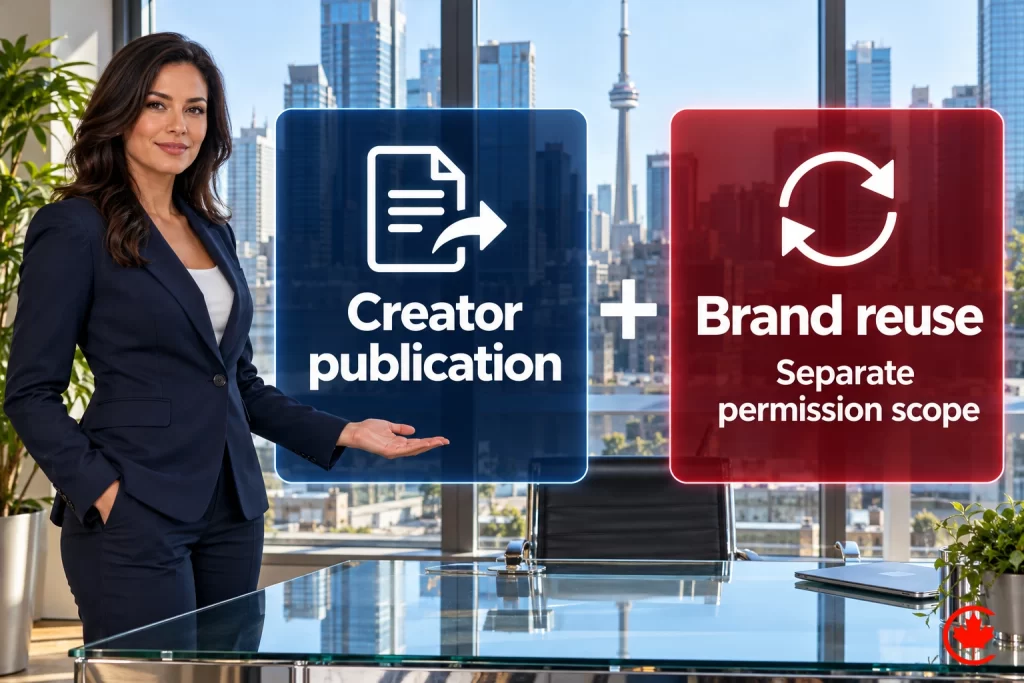
With the agreed reuse rights, share the content on your social media channels and other marketing platforms to extend its exposure. Influencers should be encouraged to share the content with their audiences. Tracking metrics like engagement rates, reach, website traffic, and conversions will allow you to keep tabs on the campaign’s performance. Examine the data to gauge the campaign’s effectiveness and pinpoint areas where future collaborations can be improved.
Maintain Relationships and Evaluate Results
Maintain your connections with influencers beyond a single campaign. On lasting partnerships, successful influencer marketing in Ontario is frequently based. Follow influencers, interact with their content, and look into opportunities for ongoing partnerships. Analyze the outcomes of your influencer marketing campaigns frequently, conclude them, and modify your strategies as necessary.
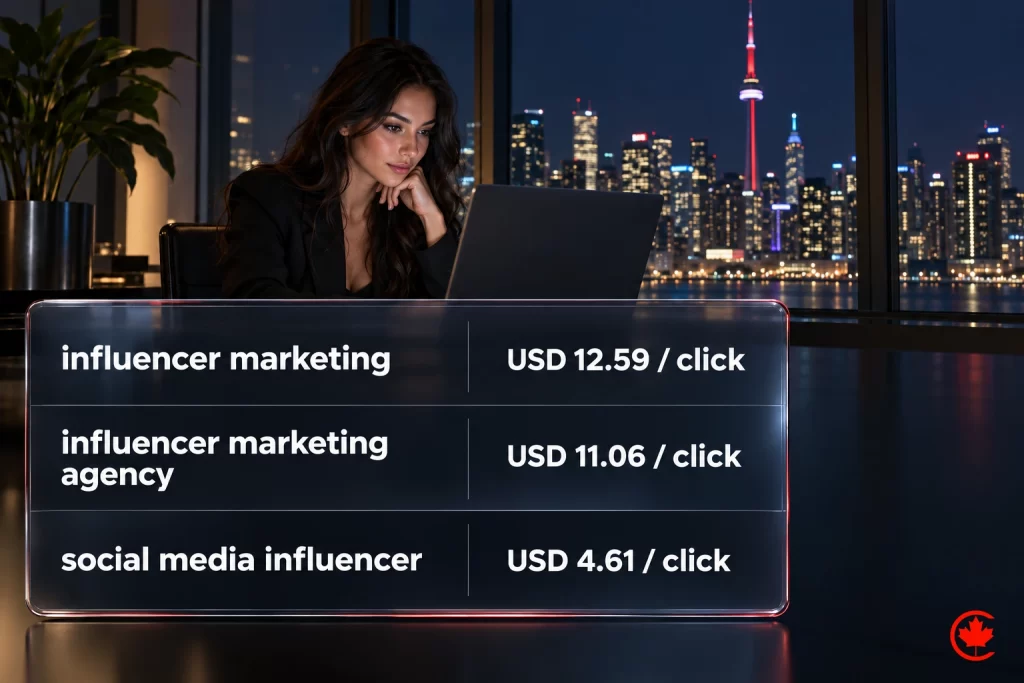
How to Find the Right Influencer?
A key step in launching a fruitful campaign for influencer marketing in Ontario is selecting the ideal influencer for your brand. Finding influencers who are compatible with your brand’s values, target market, and campaign objectives is crucial, given the abundance of influencers available across various platforms. You can follow these steps to find the ideal influencer:
Define Your Target Audience
Find influencers who closely align with your target audience’s demographics, interests, preferences, and behaviours by being as specific as possible.
Set Campaign Goals
Establish your specific goals, such as boosting sales, increasing website traffic, raising brand awareness, or engaging your audience. These objectives will direct your search for influencers.
Conduct Thorough Research
Investigate relevant social media sites to find influential users who are active and consistently post high-quality content.
Evaluate Influencer Relevance
Examine influencers’ content to ensure it reflects your company’s principles, style, and messaging and genuinely resonates with your target market.
Analyze Audience Engagement
Analyze influencers’ interaction with their audience by looking at their engagement rates, which include likes, comments, and shares.
Review Authenticity and Trustworthiness
By examining their content, engagement, and interactions with their followers, you can gauge an influencer’s authenticity. Think about their track record, credibility, and reputation.
Consider Influencer Metrics
Gain insights into their reach, audience demographics, follower growth, and overall performance using influencer metrics and analytics tools.
Engage in Personalized Outreach
Create personal messages for influencers explaining why you think they are a good fit for your brand and how cooperation can benefit both parties.
Establish Clear Expectations
To ensure everyone is on the same page, clearly communicate your campaign’s expectations, goals, and compensation terms. Strong working relationships are fostered by open communication.
Monitor and Evaluate Results
Analyze important performance indicators, such as engagement rates, click-through rates, website traffic, and conversions, to continuously monitor the success of your campaigns for influencer marketing in Ontario. Adapt your tactics as necessary to maximize outcomes.
How to Use Influencers for Promotion in Ontario?
Here are some sensible approaches to take into account if you’re looking to work with influencers for promotion:
Set Clear Goals
Before interacting with influencers, specify your promotion goals. Decide what you want to accomplish, whether raising brand recognition, boosting sales, increasing website traffic, or attracting a new target market. You can choose the best influencers and gauge the effectiveness of your promotion efforts by setting clear objectives.
Identify Relevant Influencers
Choose influencers who are appropriate for your brand and target market. Find influencers whose work fits your brand’s aesthetics, values, and niche. Consider their target audience’s authenticity, follower demographics, engagement rates, and niche. Better outcomes will come from working with influencers who truly connect with your brand.
Craft a Compelling Offer
Make a compelling offer highlighting the advantages of working with your brand when contacting influencers. Explain what you hope to gain from the collaboration and how it relates to their target audience and content. Provide incentives to encourage their participation, such as exclusive access, freebies, or monetary rewards.
Encourage Authentic Content
Give influencers creative freedom to create content that appeals to their audience and promotes your brand simultaneously. Since followers value sincere recommendations, authenticity is essential in influencer marketing in Ontario. Give influencers a clear understanding of the messaging and policies of your brand, but allow them to add their distinctive flair and voice to the content.
Use Different Content Formats
Influencers are excellent in various content formats, including podcasts, blog posts, YouTube videos, and Instagram stories. Make use of a variety of content formats to capitalize on each influencer’s advantages. This strategy allows you to reach various groups within your target market and diversify your advertising initiatives.
We find, brief and manage creator partnerships with clear disclosure and reporting your team can read.
Incorporate Influencer Events or Takeovers
To increase your brand’s exposure, think about hosting influencer events or takeovers. Invite influencers to participate in brand experiences, store openings, or product launches. For a takeover, agree a limited schedule, posting scope and review process. Use the platform’s appropriate access roles instead of sharing passwords, then remove temporary access when the work ends.
Utilize Affiliate Marketing or Discount Codes
Provide special affiliate links or promo codes for influencers to distribute to their followers. This tactic encourages the audience to make a purchase and enables you to monitor the promotion’s effectiveness. Work with influencers to make the offer and commission relationship clear. Qualify paid or affiliate links on websites according to Google’s sponsored-link guidance.
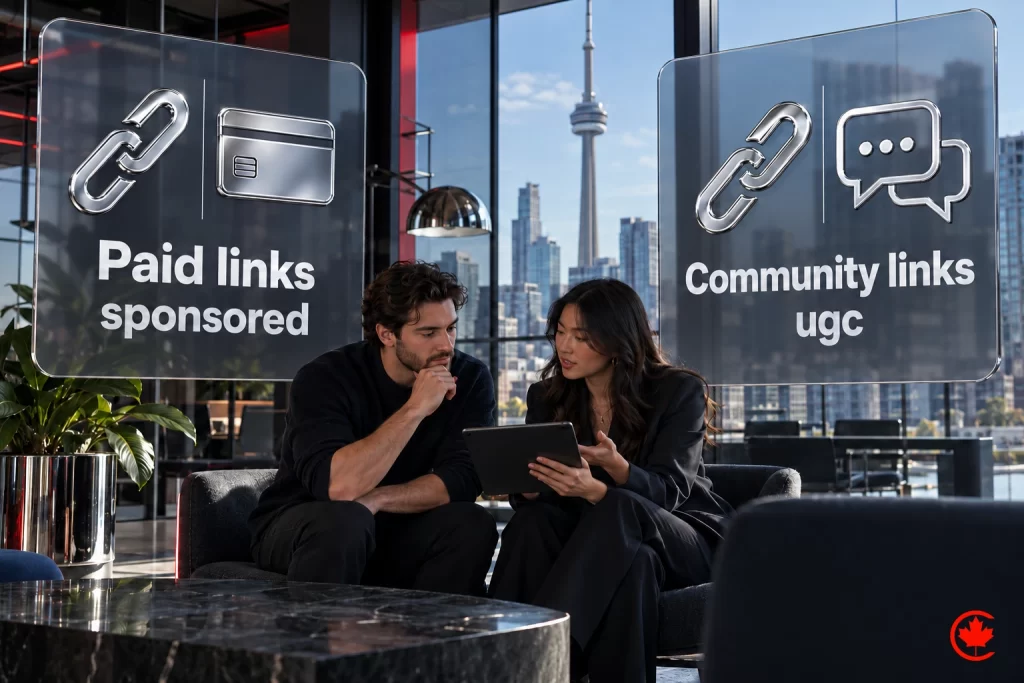
Engage in Influencer-Generated Content
Influencers should be encouraged to create user-generated content (UGC) about your brand. User-generated content (UGC) builds social proof and motivates followers to interact with your brand. Run promotions, campaigns, or challenges to inspire your audience to produce content using your goods or services, and obtain permission before showcasing selected entries on your company’s social media pages.
Measure and Analyze Results
Analyze the effectiveness of your influencer campaigns regularly. Keep track of metrics like conversion rates, reach, website traffic, and return on investment (ROI). Use analytics tools and platforms to understand how influencer promotion affects your brand’s goals. To improve future campaigns, modify your strategies in light of the data.
Build Lasting Relationships
Develop enduring connections with influencers with a track record of being successful brand ambassadors. Continue interacting with them and supporting their content and initiatives beyond specific campaigns. As influencers become more invested in your brand’s success and can offer ongoing promotional support, lasting partnerships foster authenticity and loyalty.
How to use AI in an influencer campaign
Many owners now use AI for business tasks such as writing, research and reporting, and an influencer campaign has several jobs where it can save time. The simple rule is to let software help with preparation, and keep people in charge of relationships, judgement and anything published under a creator’s name.
Useful jobs include:
- Shortlisting creators. Summarizing a creator’s recent posts, topics and audience comments so your team can review fit faster. Always check the profiles yourself before contacting anyone.
- Drafting briefs. Turning your goals, key messages, dates and disclosure requirements into a first draft of the creator brief, which you then edit.
- Checking content before it goes live. Flagging posts that are missing a clear disclosure such as #ad or a paid partnership label, or that make product claims you cannot support.
- Reporting. Combining results from several creators into one summary of reach, clicks, discount codes used and sales.
Two cautions apply in Canada. Content that is written or edited with AI must still be truthful and must still disclose the material connection between your business and the creator, as the Competition Act and Ad Standards disclosure guidance expect. Any customer or follower data you put into an AI tool is also covered by privacy law, so share only what you need. If you want help setting up AI for business workflows beyond marketing, see our AI services.
Are Influencers an Effective Marketing Tool for Promoting Brands?
Yes, influencers can work well for brand promotion. They contribute authenticity, focused reach, content creation expertise, greater brand awareness, and social proof, all of which have the potential to affect consumer behaviour and boost conversions. Success, though, depends on elements like brand-influencer alignment, authenticity, and relevance of the influencers.
Influencer marketing in Ontario has become a potent and successful tactic for advertising goods and services. Businesses can access influencers’ networks and engage a targeted audience authentically and compellingly by working with them. Brands must carefully choose influencers, build solid partnerships, create compelling content, and track campaign performance to realize the potential of influencer marketing in Ontario fully.
Contact Canada Create to take advantage of influencer marketing in Ontario.

Working with micro-influencers
What micro-influencers are
Micro-influencers operate in a particular niche or industry and have a smaller social media following. Follower-count definitions vary; many marketers use roughly 10,000 to 100,000 followers for micro-influencers, with smaller creators described as nano-influencers. Treat the label as a starting point, not a measure of quality. Look for a creator who understands the subject and has useful conversations with the people you want to reach.
Benefits of working with micro-influencers
A well-chosen partnership can offer several benefits. Use these criteria to assess whether a creator is a good fit:
- Authenticity. A creator can demonstrate how a product fits a real routine or explain a service in their own voice. Ask for honest experience-based content and clear disclosure of the relationship.
- Target reach. Micro-influencers frequently target a particular audience or niche. By working with them, brands can precisely target their desired market segment or demographic, helping them reach people whose interests match the offer.
- High engagement. Comments and questions can reveal what people want to know before buying. Use that feedback to improve future demonstrations, FAQs and campaign briefs.
- Cost-effectiveness. Compare the full cost of each proposal, including production, usage rights and paid promotion. A smaller creator may suit the budget, but the deliverables and audience fit determine the value.
- Niche expertise. A specialist creator may understand the questions and terminology your customers use. Bring that knowledge into the brief while checking any technical or product claims before publication.
- Regional impact. For a local campaign, ask where the audience is based and review the creator’s local content. A niche following spread across several countries may be less relevant than a smaller community within your service area.
- Ongoing relationships. Working with the same creators over time can build lasting connections. Micro-influencers develop into brand advocates as they develop alongside the brand, supplying ongoing exposure and encouraging brand loyalty among their devoted followers.
- Enhanced SEO and online presence. Creator content can introduce people to your business and send relevant referral traffic. Paid placements and affiliate links on websites should follow Google’s sponsored-link guidance; do not buy an endorsement on the assumption that its links will raise search rankings.
How to build relationships with micro-influencers
Once you have identified a promising creator, use these steps to build a clear working relationship:
Identifying the Right Micro-Influencers
Small businesses must find micro-influencers whose principles fit their brand to support a successful collaboration. Assess potential influencers’ content, engagement levels, and audience characteristics in-depth. Look for influencers who genuinely care about and are knowledgeable about your industry because their influence on your target market will increase.
Crafting a Compelling Partnership Proposal
Making a strong partnership proposal is crucial when contacting micro-influencers. Emphasize how working together mutually benefits and how their experience and influence can help your brand. Personalize your approach and demonstrate your knowledge of their audience and content to improve your chances of receiving a favourable response.
Establish Clear Expectations
Establishing precise expectations and rules for collaboration when working with micro-influencers is critical. To ensure that your company and the influencer have a shared understanding, clearly communicate your goals, campaign objectives, and desired results. Put deliverables, fees, review dates, reuse rights and disclosure responsibilities in writing. Canadian influencer guidance calls for clear disclosure of material connections, including payments, gifts and commissions.
Collaborating Effectively
Open communication and a collaborative mindset are essential when collaborating with micro-influencers. Engage them in the creative process, look to them for advice, and respect their knowledge. To establish a sincere connection with their audience, encourage them to share genuine experiences and stories about your brand. A strong working relationship makes it easier to share feedback and improve future campaigns.
How to measure a micro-influencer campaign
Define how you will evaluate the campaign before it starts. These steps help connect the work to your business goals:
Setting Clear Objectives
Before starting a micro-influencer campaign, it’s critical to establish specific goals. Choose the metrics you want to track, such as website traffic, conversions, or user engagement. Align those measures with the business goal so you know what the campaign is intended to achieve.
Tracking Engagement and Conversions
By tracking engagement metrics, you can monitor how well your micro-influencer campaigns are doing. To determine the audience interest and interaction level, examine the likes, comments, shares, and click-through rates. Use tracking links or distinct discount codes to connect recorded responses with the campaign. Codes can be shared and journeys can cross devices or channels, so these measures do not isolate every sale caused by the creator.
Analyzing Return on Investment (ROI)
For a financial return estimate, compare campaign-attributed profit with the full campaign cost, including creator fees, products, production and paid promotion. Record how you attributed sales and any gaps in that estimate. Track awareness, useful comments and reusable creative separately so they are not mistaken for sales revenue.
Frequently asked questions
What is a social media influencer in a brand campaign?
A social media influencer is a person whose following trusts their opinion on a topic, often a niche such as food, fitness or local life. In a campaign, a brand works with that person to reach their followers through sponsored posts, reviews, giveaways or takeovers. Influencers range from celebrities and macro accounts to micro and nano creators, industry experts and local personalities. The right type depends on who you want to reach.
How does influencer marketing work for an Ontario business?
You set a goal, such as awareness, website traffic or sales, and define the audience you want. Next, find creators whose followers match that audience, reach out with a specific pitch and agree on deliverables, payment and reuse rights. The influencer creates content in their own voice with your key messages, clearly disclosed. You then share it on your channels and track engagement, reach, traffic and conversions.
What does influencer marketing cost for a business?
Fees depend on the agreed deliverables, how long and where you may reuse the content, the size and fit of the audience and the platform. A celebrity partnership and a series of posts from a local creator are priced very differently. Some partnerships also include free products, exclusive access or commissions on sales. Compare current quotes on the same scope rather than on follower counts alone.
What disclosure rules apply to influencer marketing in Canada?
The Competition Bureau's influencer guidance covers material connections between a brand and a creator, including payment, free products, commissions and personal relationships. Each relevant post should disclose the connection in a way people will easily notice and understand. Burying it in a long caption or relying only on a statement in the profile falls short. Check the Bureau's current guidance before each campaign.
How do you measure the return on influencer marketing?
Decide what success means before the campaign starts, whether that is sales, website traffic, brand awareness or engagement. Track engagement rates, reach, click-through rates, website visits and conversions for each influencer. Unique discount codes or tracked links make it easier to tie sales to a specific creator. Use the results to decide which partnerships to keep and what to change next time.
Is influencer marketing worth it for a business in Ontario?
It can be when the influencer's audience genuinely matches your customers and the content feels authentic, because followers value sincere recommendations. It is weaker when a brand picks creators on follower count alone or writes captions for them. Review authenticity, engagement and track record before agreeing to anything. Then measure each campaign against the goal you set.
How does influencer marketing differ from running your own social media marketing?
Social media marketing runs through your own brand accounts, where you create the posts and build your following. Influencer marketing borrows the trust another person has built with their audience, with the creator making content in their own voice. The two work together, since you can share influencer content on your channels when the reuse rights allow it. Many businesses run both.
How do I start influencer marketing for my business?
Start with a clear goal and a description of your target audience. Research creators who post consistently, whose content reflects your values and whose followers engage genuinely. Send each one a personal message explaining why they fit and what they gain from the partnership. Agree on expectations, compensation and disclosure in writing before any content is made.
How can a Toronto business work with local influencers?
Local influencers are known within a particular area, which suits businesses serving a regional market. Invite them to brand experiences, store openings or product launches, or agree a limited social media takeover. Let them use formats they are good at, such as Instagram stories, YouTube videos or podcasts. Keep the same disclosure and goal tracking you would use for any other campaign.
How many followers make someone a micro-influencer?
Definitions vary, but many marketers use roughly 10,000 to 100,000 followers for micro-influencers. Creators below that range are usually called nano-influencers. Treat the label as a starting point and look past the number to whether the creator understands the subject and has useful conversations with the people you want to reach.
How much should a small business pay a micro-influencer?
The fee follows the deliverables, the reuse rights you need and how well the creator's audience fits your offer, so there is no standard rate. Compare the full cost of each proposal, including production, products supplied, usage rights and any paid promotion. A smaller creator may suit a tight budget, but value comes from fit and what the work delivers. Put the agreed fee and deliverables in writing.
Should a small business choose micro influencers or macro influencers?
Creator size alone says little about how well a campaign will work. A macro influencer offers wider reach, while a micro-influencer can reach a narrower niche where direct conversation is easier. For a small business, review actual audience data, engagement quality and the creator's conduct before relying on either. Then measure the response instead of assuming a smaller account will convert better.